



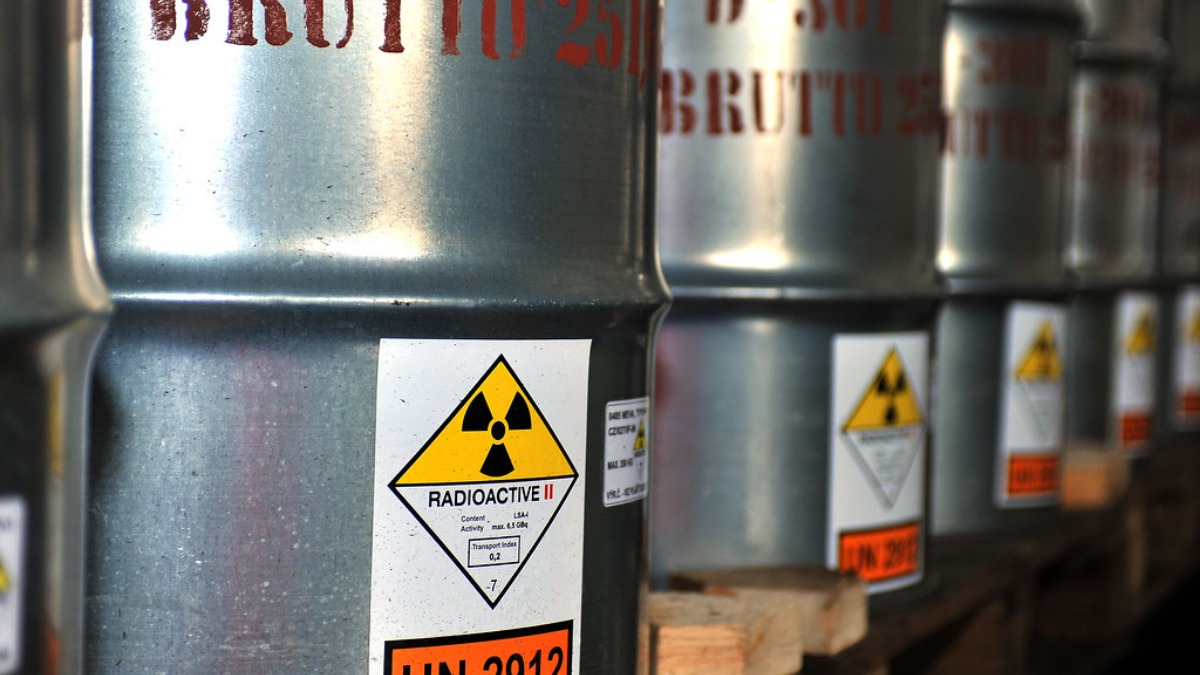

The possibility of removing Iran’s nuclear stockpile has become a major focus of the ongoing conflict. Experts say securing the materials would require thousands of U.S. troops, and the administration is now deciding whether to pursue a diplomatic deal or a large military operation to neutralize Iran’s highly enriched uranium.
In 1994, after the fall of the Soviet Union, the U.S. carried out Project Sapphire in Kazakhstan. Led by Andrew Weber, the mission secured a large cache of weapons-usable uranium left behind after the Soviet collapse. It involved 31 specialists, three C-5 Galaxy cargo planes, and resulted in more than 1,300 pounds of bomb-grade material being transported to a Department of Energy facility in Oak Ridge, Tennessee.
Iran, however, is a far more dangerous situation. Iranian forces have actively worked to hide nuclear materials, blocking tunnel entrances with dirt and setting up roadblocks in the weeks before the current war. According to CBS News, international inspectors say much of the uranium is stored in scuba-tank-sized containers deep inside tunnels at the Isfahan nuclear facility, buried so far underground that traditional bunker-busting bombs may not reach them.
A military extraction from Iran would be dangerous, costly, and would almost certainly result in casualties
Retired Vice Admiral Robert Harward, a former Navy SEAL and deputy director of U.S. Central Command, believes a military-led extraction is possible, but says the cost would be very high. He said the mission would require a large military presence to secure the area around the facility, and would likely involve building temporary infrastructure like runways to manage the logistics.
He also noted that forces would be going up against an adversary that still has drones and missiles. When asked whether he expected casualties in such an operation, Harward was direct: “Sure. You have to plan for that.” The scale of Iran’s remaining nuclear threat is significant.
Dr. Matthew Bunn, a former White House nuclear adviser, points out that despite strikes carried out by the U.S. and Israel last June, Iran’s nuclear capabilities remain large. Current estimates suggest Iran holds nearly 1,000 pounds of uranium enriched to 60 percent, which, if enriched further, could fuel ten to eleven nuclear weapons.
Analysts are also watching a site called Pickaxe Mountain, where satellite images from February show what appears to be a major nuclear facility buried deep under solid rock. On the diplomatic side, negotiators are discussing a potential three-page plan that could end the war.
One proposal involves releasing $20 billion in frozen Iranian funds in exchange for Iran surrendering its uranium stockpile, according to Axios. While the U.S. has pushed for the material to be shipped out of the country, Iran has resisted, leading to talks about down-blending some of the material inside Iran under international monitoring.
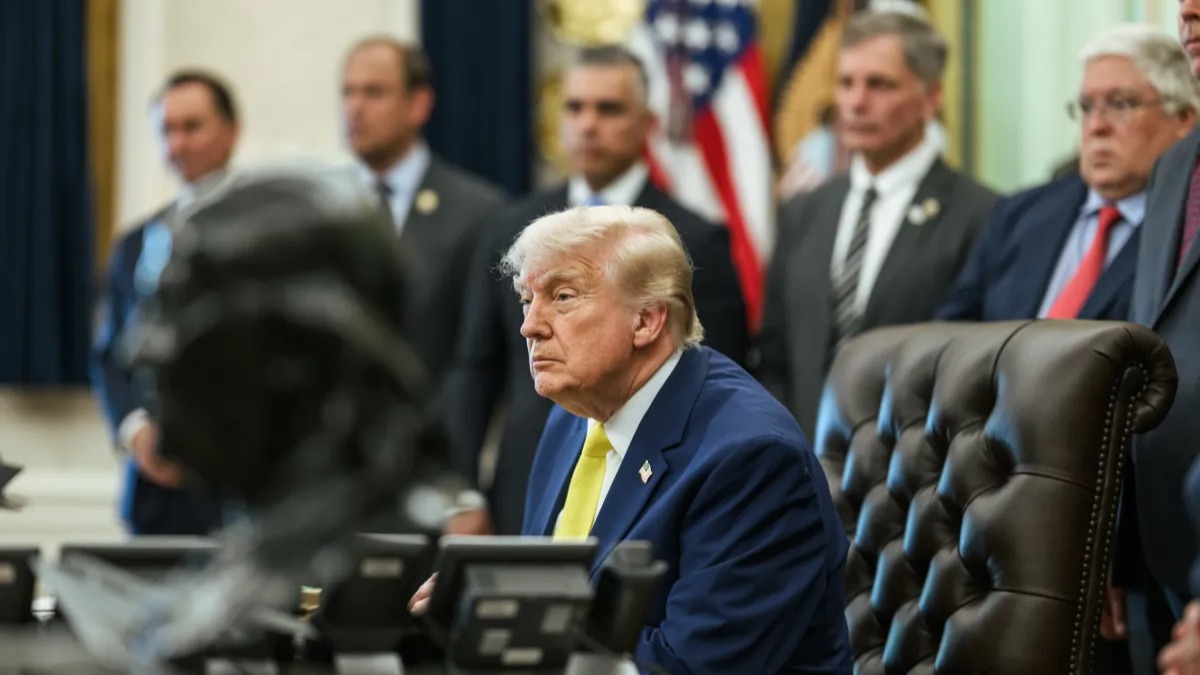
Meanwhile, other global tensions are also escalating, with Russia signaling a potential navy response to recent fleet crackdowns that could further complicate the international landscape. The path to a resolution is complicated by deep distrust. Despite President Trump’s recent claims that a deal is close and that Iran has agreed to hand over the “nuclear dust,” Iranian officials have insisted that their stockpile is not going anywhere.
In fact, Iran’s parliament speaker publicly contradicting Trump on live TV showed just how wide the gap between the two sides remains. Dr. Bunn noted that Iran has a long history of misleading international inspectors about its nuclear program, and argued that any deal must be built on thorough international monitoring rather than trust alone.
As the ceasefire deadline approaches, pressure to find a lasting solution grows. Scott Roecker, a former official with the National Nuclear Security Administration, said that in his experience, successful nuclear material removals have always depended on having a willing partner. He stated that he has never seen such an operation completed without cooperation, though he added that he “would join an effort to secure the Isfahan facility in a heartbeat” if asked.
For now, the situation remains a high-stakes standoff. President Trump has said that if a deal is not reached, the conflict will resume. Whether through a negotiated settlement involving billions in frozen assets or a complex military extraction, neutralizing Iran’s nuclear program remains a central and volatile part of the current war.








Published: Apr 20, 2026 08:30 am