




China has officially invoked a law that targets companies complying with foreign sanctions it rejects, marking the first time the country has utilized this specific legal tool, Reuters reported. This move serves as a direct pushback against the recent blacklisting of several oil refineries by the United States over their involvement in purchasing Iranian crude.
The Ministry of Commerce issued an order instructing companies not to comply with U.S. sanctions against five specific refiners. One of the entities named in this designation is Hengli Petrochemical. Beijing is citing a law that allows the government to retaliate against any entities that enforce sanctions it deems unlawful.
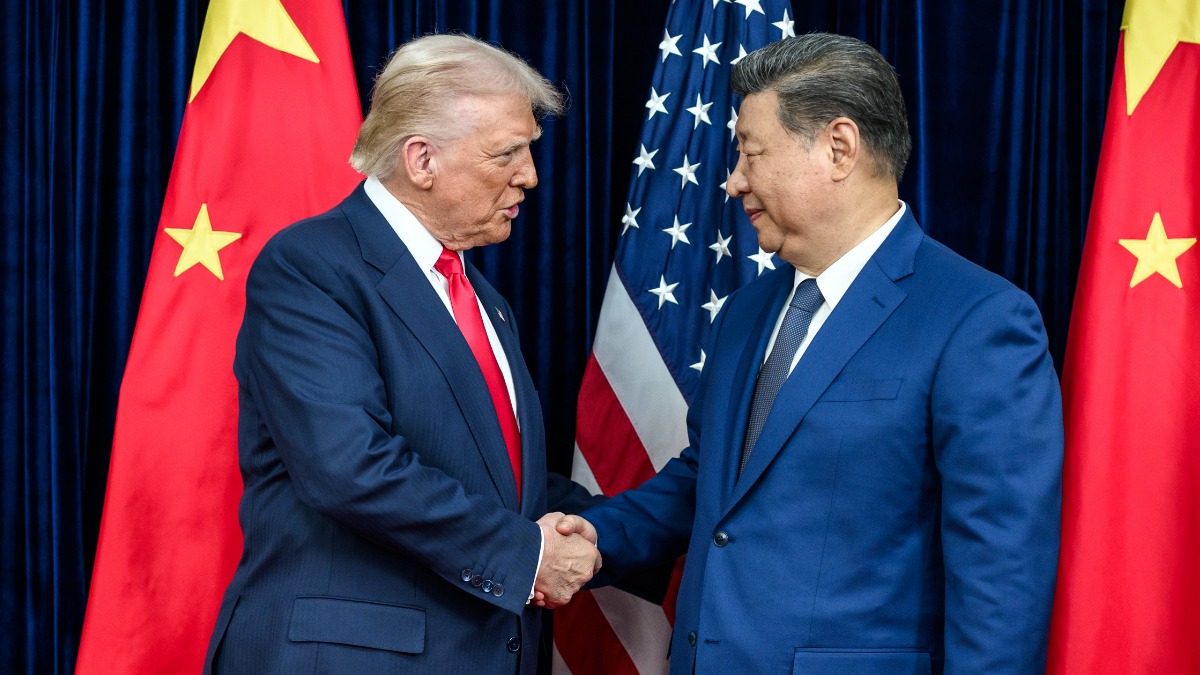
This maneuver highlights that China is fully prepared to deploy its various economic pressure tools, even while it maintains a trade truce with Washington. The situation creates a complex environment for global businesses. A White House official told Reuters, “Any company considering skirting U.S. sanctions should think twice,” though they did not provide further elaboration on the specific Chinese order. The timing of this decision is particularly notable because it arrives less than two weeks before Donald Trump is scheduled to visit Beijing.
This legal framework was initially introduced in 2021 and saw its most recent revision in April
Under these rules, China holds the authority to impose countermeasures on both companies and individuals. These measures can include trade and investment curbs, as well as strict entry and exit restrictions. Legal analysts have noted that this leaves the counterparties of sanctioned firms caught in a difficult position between two different jurisdictions.
These companies face the risk of violating Chinese law if they choose to comply with foreign sanctions, or they could face penalties elsewhere if they fail to do so. Canada’s Trade Commissioner Service actually issued a warning to companies operating in China last August, noting that they could be squeezed between U.S., European Union, and Chinese rules because of this legislation.
The official People’s Daily stated on Sunday that the move “uses the power of the rule of law to precisely counter the U.S.’s ‘long-arm jurisdiction.'” While the situation seems rigid, the law does allow companies to apply for waivers. A trader at a Hengli counterparty who declined to be named mentioned that firms with substantial business overseas should be able to make the case for exemptions to Chinese regulators.
This escalation follows actions taken on April 24, when the Trump administration announced it had imposed sanctions on an independent teapot refinery in China for purchasing billions of dollars worth of Iranian oil. At that time, Washington and Tehran were heading into another round of peace talks.
The Treasury Department specifically targeted Hengli Petrochemical Dalian Refinery, identifying it as one of the largest customers of Iranian crude oil and petroleum products. The Office of Foreign Assets Control also imposed sanctions on approximately 40 shipping companies and vessels that operate as part of the Iranian shadow fleet.
China has consistently maintained that it opposes what it calls illegal, unilateral sanctions. On the Friday following the announcement, the Chinese embassy in Washington released a statement arguing that normal trade should not be harmed. A spokesperson for the embassy said, “We call on the U.S. to stop politicizing trade and sci-tech issues and using them as a weapon and a tool and stop abusing various kinds of sanction to hit Chinese companies.”
The Trump administration previously imposed sanctions last year on other teapot refineries, including Hebei Xinhai Chemical Group, Shandong Shouguang Luqing Petrochemical, and Shandong Shengxing Chemical. These designations created significant hurdles for the refiners, including difficulties in receiving crude and the necessity of selling refined products under different names. Teapot refineries account for roughly a quarter of Chinese refinery capacity. These businesses operate with narrow and sometimes negative margins and have been further squeezed by tepid domestic demand.
Data from the analytics firm Kpler for 2025 indicates that China buys more than 80% of Iran’s shipped oil. While the U.S. sanctions block the U.S. assets of those designated and prevent Americans from doing business with them, experts have long argued that independent refineries are somewhat immune to the full effect of U.S. sanctions because they have little exposure to the U.S. financial system.
Treasury Secretary Scott Bessent has stated that the U.S. is imposing a financial stranglehold on the Iranian government. Bessent noted that the Treasury has written to two Chinese banks, warning them that if the U.S. can prove Iranian money is flowing through their accounts, it is willing to impose secondary sanctions. For now, the global market remains on edge as these competing legal pressures continue to mount.







Published: May 6, 2026 01:00 pm