



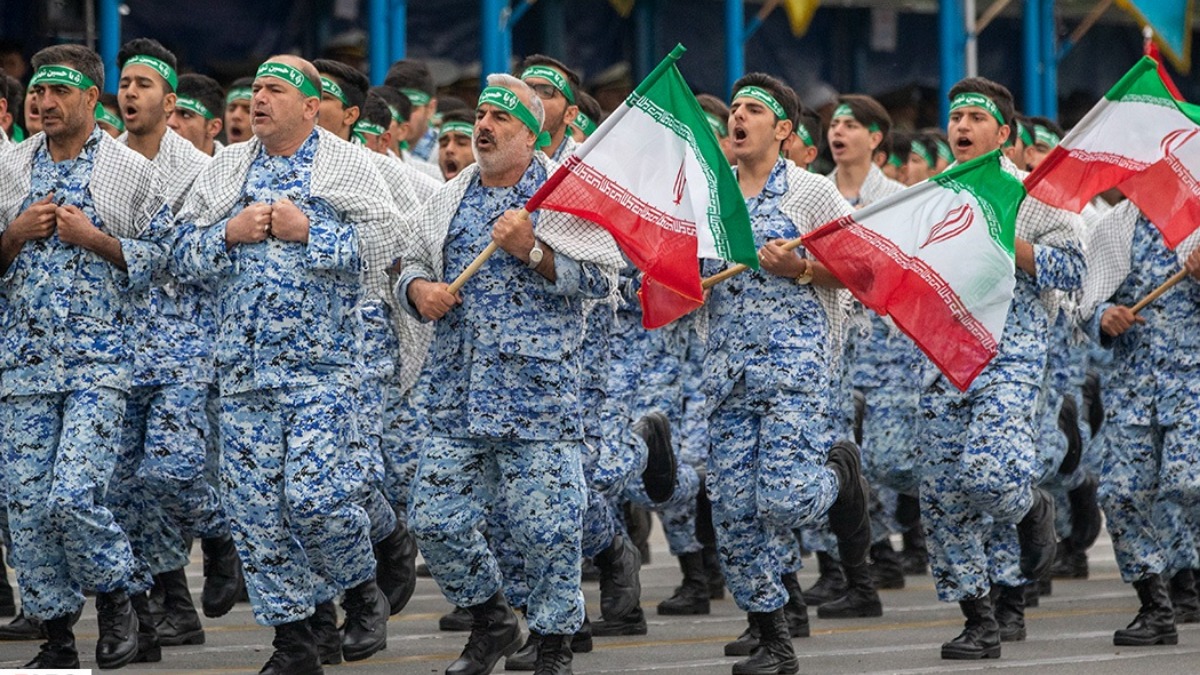

The United States and Iran are currently inching closer to a one-page memorandum of understanding that could finally put an end to the two-month conflict in the Middle East. A source familiar with the ongoing discussions confirmed this development, noting that the agreement would also serve as a foundational framework for future talks regarding Tehran’s nuclear program, The Hill reported.
It’s important to keep your expectations in check, though. Even with this momentum, nothing has been officially signed or agreed upon yet. The U.S. is currently waiting for Tehran to provide responses on several key points within the next 48 hours. The proposed deal is a 14-point plan that covers some massive territory.
Under these terms, Iran would commit to a moratorium on nuclear enrichment, which has been a major sticking point for a long time. In exchange, the U.S. would agree to lift its existing sanctions and release billions of dollars in frozen Iranian funds. Both sides would also agree to lift the blockades currently choking the Strait of Hormuz.
While we’ve seen plenty of ups and downs in these negotiations, this is arguably the closest both sides have been to a breakthrough since the fighting broke out in late February
The negotiations are being handled both directly and indirectly by U.S. special envoy Steve Witkoff and Jared Kushner, who are working with several Iranian officials to hammer out the details. Pakistan has been playing a crucial role as an intermediary throughout this process. They hosted representatives in Islamabad for talks last month and have been actively shuttling proposals back and forth between the two nations. A Pakistani source confirmed the accuracy of the current proposal, claiming that the parties are looking to close this very soon.
President Trump spoke about parts of this potential agreement on Truth Social. He mentioned that the U.S. military operation would conclude and the Strait of Hormuz would fully reopen, but he added a significant caveat. He stated this would happen “assuming Iran agrees to give what has been agreed to.” He also issued a firm warning, saying, “If they don’t agree, the bombing starts, and it will be, sadly, at a much higher level and intensity than it was before.”
This shift in tone comes shortly after the announcement of a pause on Project Freedom, which was a U.S. military effort to escort commercial vessels through the Strait of Hormuz. While the escort mission is paused, the naval blockade of ships is expected to remain in place for now.
Pakistani Prime Minister Shehbaz Sharif took to X to thank the president for his response to requests from Pakistan and other regional allies. He wrote that the president’s “gracious response” to the request “will go a long way towards advancing regional peace, stability and reconciliation during this sensitive period.” He added, “Pakistan remains firmly committed to supporting all efforts that promote restraint and a peaceful resolution of conflicts through dialogue and diplomacy.”
The situation on the ground remains incredibly tense, as recent exchanges of fire have tested the fragile truce. U.S. Central Command reported that American forces destroyed six small Iranian boats after Iranian forces opened fire on U.S. warships and commercial vessels.
Furthermore, Tehran has reportedly struck targets in the United Arab Emirates and several foreign-flagged vessels. Iranian Foreign Minister Abbas Araghchi addressed the situation on X, stating, “Events in Hormuz make clear that there’s no military solution to a political crisis.” He also warned the U.S. and the UAE against “being dragged back into a quagmire by ill-wishers.”
If this memorandum is finalized, it would declare an end to the current war and kick off a 30-day period of negotiations to finalize a more detailed agreement. These talks could potentially take place in Islamabad or Geneva. During that 30-day window, the restrictions on shipping and the naval blockade would be gradually lifted. However, if these follow-up negotiations were to collapse, U.S. forces would retain the ability to restore the blockade or resume military action.
One of the most complex parts of the deal involves the nuclear moratorium. Sources suggest the length of this moratorium is still being negotiated, with 12 to 15 years being the likely landing spot. Iran had initially proposed a 5-year limit, while the U.S. had pushed for 20. There is also talk of an enhanced inspection regime, including the possibility of snap inspections by UN officials.
Secretary of State Marco Rubio noted that “we don’t have to have the actual agreement written in one day.” He pointed out that the process is “highly complex and technical,” though he emphasized the need for a diplomatic solution that is clear regarding concessions. Still, it’s clear that not everyone is optimistic, as some U.S. officials remain skeptical that a deal will actually materialize given the internal divisions within Iranian leadership.







Published: May 6, 2026 02:30 pm