



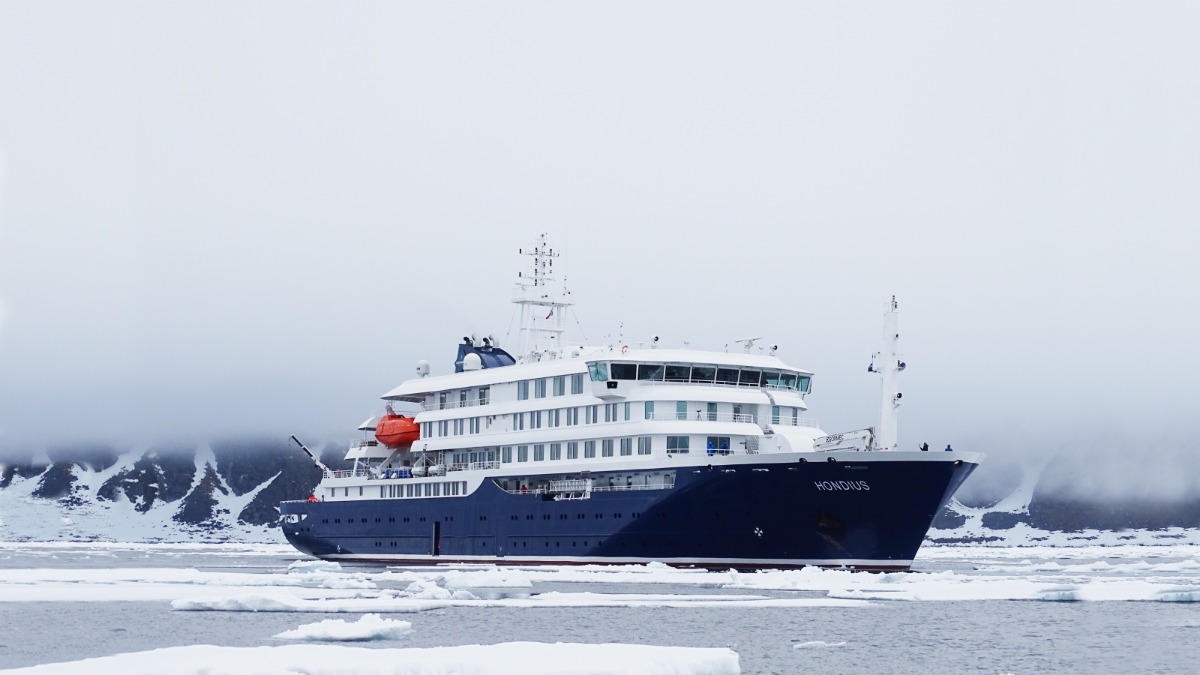

The World Health Organization has officially weighed in on the recent hantavirus outbreak linked to the Dutch cruise ship MV Hondius, confirming that this situation is not the start of a new pandemic, the BBC reported. While the news of a deadly outbreak on a cruise ship is certainly unsettling, infectious disease experts are quick to point out that this is not a repeat of the events seen six years ago.
Maria van Kerkhove, an infectious disease epidemiologist at the WHO, explained that hantavirus spreads through close, intimate contact, which is a very different transmission path compared to Covid-19 or influenza. During a recent news briefing, WHO Director General Tedros Ghebreyesus stated that the organization currently assesses the overall public health risk as low.
This assessment comes as health authorities work to trace dozens of people who recently disembarked from the vessel. The MV Hondius, operated by Oceanwide Expeditions, began its voyage on April 1, setting sail from Ushuaia, Argentina. The ship is currently heading toward Spain’s Canary Islands, with an expected arrival on May 10, after spending three days anchored near Cape Verde.
The recovery process for hantavirus is famously difficult, often taking months or even years
The situation has been intense, as the WHO confirmed on Thursday that five out of eight suspected cases have been confirmed as hantavirus. Sadly, three people have died, including a 69-year-old Dutch woman, her Dutch husband, and a German woman. Their cases remain under investigation.
While hantavirus typically spreads from rodents through dried urine and droppings, the WHO noted that this specific outbreak is notable because it is the first time human-to-human transmission has been documented. The virus usually makes its way to humans when contaminated particles are stirred into the air, or through a bite from an infected rodent.
In the case of the cruise ship, officials believe the virus originated from a bird-watching trip that visited sites where specific rat species known to carry the virus were present. Because the incubation period for the disease can last up to six weeks, officials are monitoring the situation closely for any potential new cases.
For those who have survived the virus, the experience is nothing short of harrowing. Lorne Warburton, a Canadian survivor, described his battle with the illness as “torture” and “hell on earth,” as reported by the BBC. He first began feeling unwell in March 2023 with symptoms that felt like a standard flu, including body aches, a chronic headache, and fatigue.
His condition deteriorated rapidly until he was drenched in sweat and struggling to breathe, eventually leading to a three-week hospital stay on life support. Lorne believes he caught the virus after shaking out a rug in his attic, which likely contained rodent droppings.
Lorne shared that it took him a year-and-a-half to rebuild his body, describing the recovery as a very slow process involving micro baby-steps. He even dealt with a painful frozen shoulder after his time in the ICU. Christian Ege, a survivor from Germany, had a similarly difficult experience in May 2019. After suffering from what he thought was a stomach flu, his condition escalated into kidney failure and sepsis, requiring a neck catheter for dialysis. While Christian managed to recover after four months, he noted that the dialysis process was incredibly hard on his entire body.
Both men highlighted how much the experience changed their perspective on life. Lorne, who now manages a heart rhythm disorder as a result of his illness, said he is grateful for the small details most people overlook. He recalled that after weeks of not being able to drink fluids, a simple sip of fresh water was the best thing he had ever tasted. Christian echoed these sentiments, calling his experience humbling and noting that he has found a new appreciation for his time since recovering.
As the MV Hondius continues its journey, authorities are taking strict precautions. The WHO has requested that everyone on board the ship wear a mask, and those caring for suspected cases are required to use a higher level of personal protective equipment. The UK Health Security Agency has confirmed that two British individuals are currently self-isolating at home in the UK following potential exposure.
Meanwhile, Spain is in advanced discussions with the UK to arrange a repatriation flight for British nationals on the ship, and the United States has also expressed a willingness to send a plane to collect its citizens.







Published: May 7, 2026 07:30 pm