



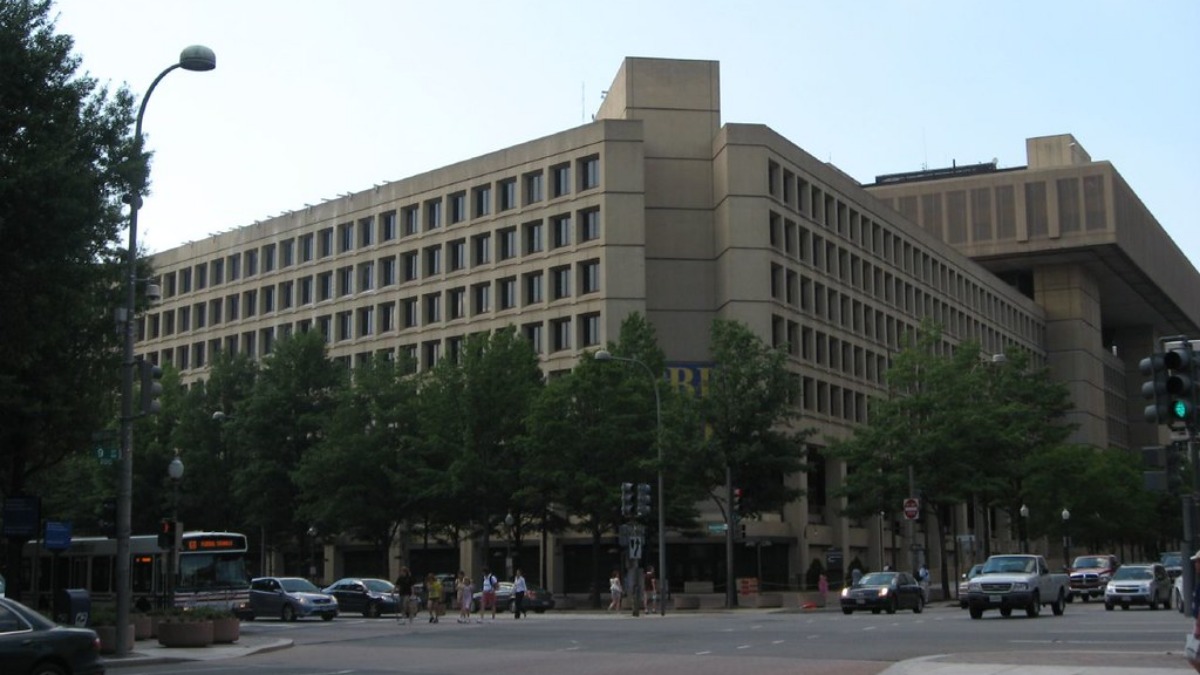

The White House is now actively collaborating with the FBI to investigate the mysterious deaths and disappearances of at least 10 scientists who held ties to sensitive government information. This situation has gained significant national attention, prompting a closer look at whether these events are isolated incidents or something far more coordinated.
As the investigation kicks into gear, retired FBI agents James Fitzgerald and Ray Carr are weighing in on the complexities of such a high-stakes inquiry. Fitzgerald noted that while he supports the ongoing investigation, he is not convinced that these events are anything more than a coincidence at this stage. Ray Carr echoed this sentiment, highlighting that the primary question for any seasoned investigator is whether these cases are actually connected in any meaningful way, The Hill reported.
Carr explained that the real challenge lies in determining if the evidence points to a coordinated effort or if it is just a series of unfortunate, unrelated events. He believes it is vital to get to the bottom of this to prevent unnecessary speculation, noting that he does not think it is necessary for conspiracy theorists to start throwing all kinds of things around.
When it comes to the methodology behind this investigation, Fitzgerald pointed to the use of psychological autopsies
This is a thorough process where behaviorists examine every aspect of an individual’s life. They will look at the behaviors, lifestyles, and social circles of these scientists to identify any potential common denominators. This includes looking at their professional associations, personal habits, and even minor details like who they visited for medical care or who provided services like haircuts. The goal is to leave no stone unturned in the search for a link that might not be immediately obvious to the naked eye.
The scope of these incidents is quite broad, involving at least 11 deaths and disappearances of experts specializing in space, defense, and nuclear topics. These cases have raised serious concerns within the scientific community since reports began surfacing this month. The timeline of these mysterious events dates back to the July 2023 death of Michael David Hicks, a physicist at the NASA Jet Propulsion Laboratory who focused on comets and asteroids.
To date, no official cause of death has been disclosed for his case. Other notable instances this year include the fatal shooting of California Institute of Technology astrophysicist Carl Grillmair in February, the disappearance of retired Air Force Gen. William Neil McCasland in New Mexico, and the case of Novartis researcher Jason Thomas, whose body was discovered in a Massachusetts lake months after he vanished.
There has been some discussion regarding reports that certain scientists left their homes while armed. Some might see this as a sign of an active threat, but Carr offered a more grounded perspective. He pointed out that many people, including those with law enforcement backgrounds, carry weapons as a matter of routine.
He stated, “I leave my home armed too, and I’m sure Jim does, and a lot of ex-law enforcement, a lot of individuals leave their home armed every day.” Without a deep dive into the victimology of each individual, it is difficult to determine the specific motivation behind carrying a weapon on any given day.
Rep. Eric Burlison, who serves on the House Oversight Committee, has expressed that he would not be surprised if foreign adversaries were involved in these incidents. He mentioned countries like Russia, China, and Iran as potential parties that might see an opportunity to target top American scientists.
Burlison highlighted the strange nature of several cases where individuals stepped out of their homes without their phones or wallets, never to return. He noted that such behavior is highly unusual for a normal person, especially considering these individuals were all working on sensitive Department of Defense projects related to advanced propulsion and plasma research.








Published: May 7, 2026 05:15 pm