



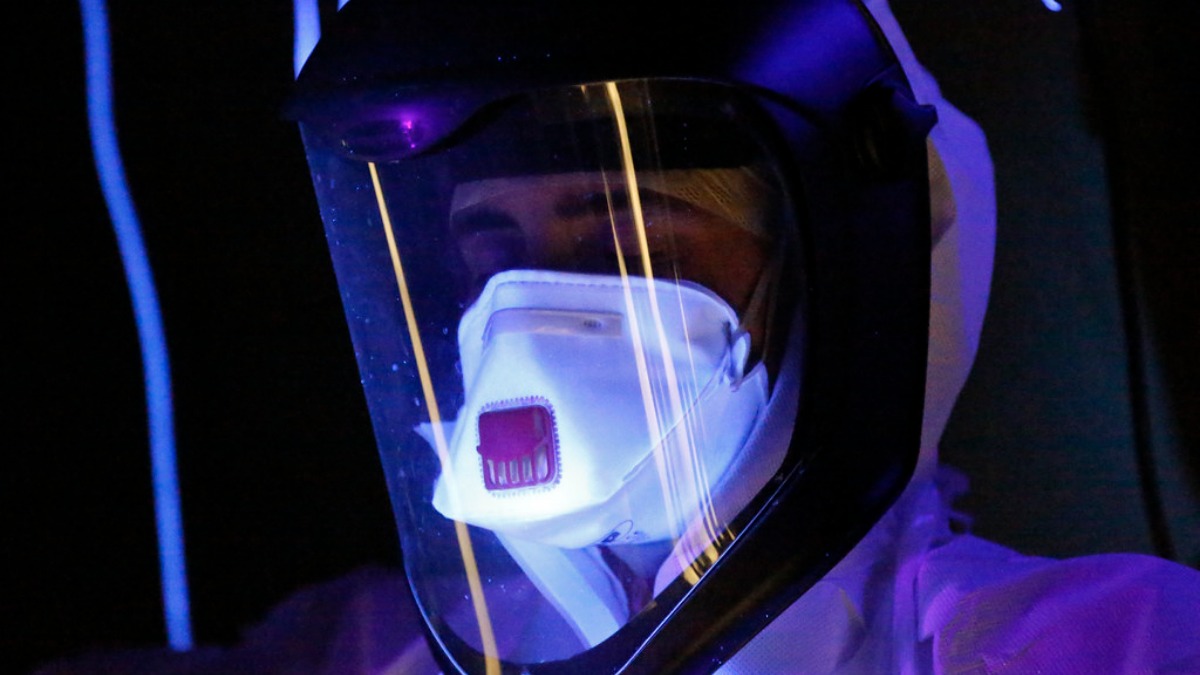

A previously undetected outbreak of the Bundibugyo variant of Ebola is currently spreading through parts of central Africa, and the United States is largely absent from the international effort to stop it. As detailed by The Guardian, the situation has escalated into a public health emergency of international concern, yet the US government has stepped back from the frontlines of global health surveillance and response.
The numbers tell a stark story. US foreign assistance to the Democratic Republic of the Congo, or DRC, dropped from $1.4bn in 2024 to $431m in 2025, and fell further to just $21m so far this year. A similar pattern played out in Uganda, where assistance dropped from $674m to $377m in 2025, reaching a negative $1.2m in 2026. Matthew Kavanagh, director of the Center for Global Health Policy and Politics at Georgetown University, noted that the DRC was the second-biggest recipient of funding from the US Agency for International Development, or USAID.
The sudden withdrawal of that support, often with no notice, has been profoundly disruptive to the country’s basic health activities. Kavanagh put the stakes plainly: “Ebola can be stopped, and if we don’t mobilize the dollars and the public health efforts, then we are simply choosing not to stop the outbreak. The question is, will it be? And when?”
When the US steps back, outbreaks fill the void
The current outbreak, which involves a strain with no licensed vaccine or specific therapeutics, has been active since at least April 24, 2026. As confirmed by the World Health Organization, officials reported 246 suspected cases and 80 deaths in the DRC as of May 15, with additional cases confirmed in Uganda. WHO Director-General Tedros Adhanom Ghebreyesus declared the outbreak a public health emergency of international concern on May 16, following consultations with affected states.
The infrastructure that once allowed the US to lead these responses has been systematically dismantled. Over the past year, USAID was dissolved and thousands of staff across health agencies were laid off. Key leadership positions remain vacant, including the directors of the CDC and the FDA and the US surgeon general. A world-class Ebola lab in Frederick, Maryland, operated by the National Institutes of Health and specifically designed to handle crises like this one, including the testing of monoclonal antibodies and vaccine research, was shuttered last year and remains closed.
Kristian Andersen, a professor of immunology and microbiology at Scripps Research, expressed frustration with the current US posture, saying the country is not just stepping away from the table but actively upending it. Of global health investments, Andersen said: “It was pennies compared to what you get in return.” He warned that preventing outbreaks is far cheaper than responding to them, and by cutting the first option, the US has made the more expensive and dangerous scenario increasingly common. Amid broader US government legal battles with states, the rollback of global health capacity has drawn comparatively little public scrutiny.
The impact of these cuts has been felt directly on the ground. When USAID was dissolved, hundreds of health workers performing essential surveillance for diseases like HIV, tuberculosis, and malaria were effectively sidelined. These workers formed the frontlines of detection, since patients rarely arrive at clinics suspecting Ebola and instead typically present with symptoms like fever that trained staff are equipped to flag.
The US government has instead implemented travel bans for noncitizens arriving from the affected region. Kavanagh described this as “public health theater” that punishes the involved countries without actually stopping the spread of cases. The Africa CDC pushed back against such policies as well, with director general Dr. Jean Kaseya stating that the fastest path to protection is to aggressively support control at the source. Secretary of State Marco Rubio, who took a confrontational stance toward Communist Cuba’s leadership this week, also oversaw USAID as acting director during the period when the bulk of its programs were terminated.
African scientists have been sequencing the virus to better understand the spillover event, doing so while facing the consequences of hundreds of millions of dollars in cuts to global capacity. Kavanagh noted that allowing people to die of a preventable disease is a moral choice when the tools to stop it exist.







Published: May 21, 2026 07:00 am