



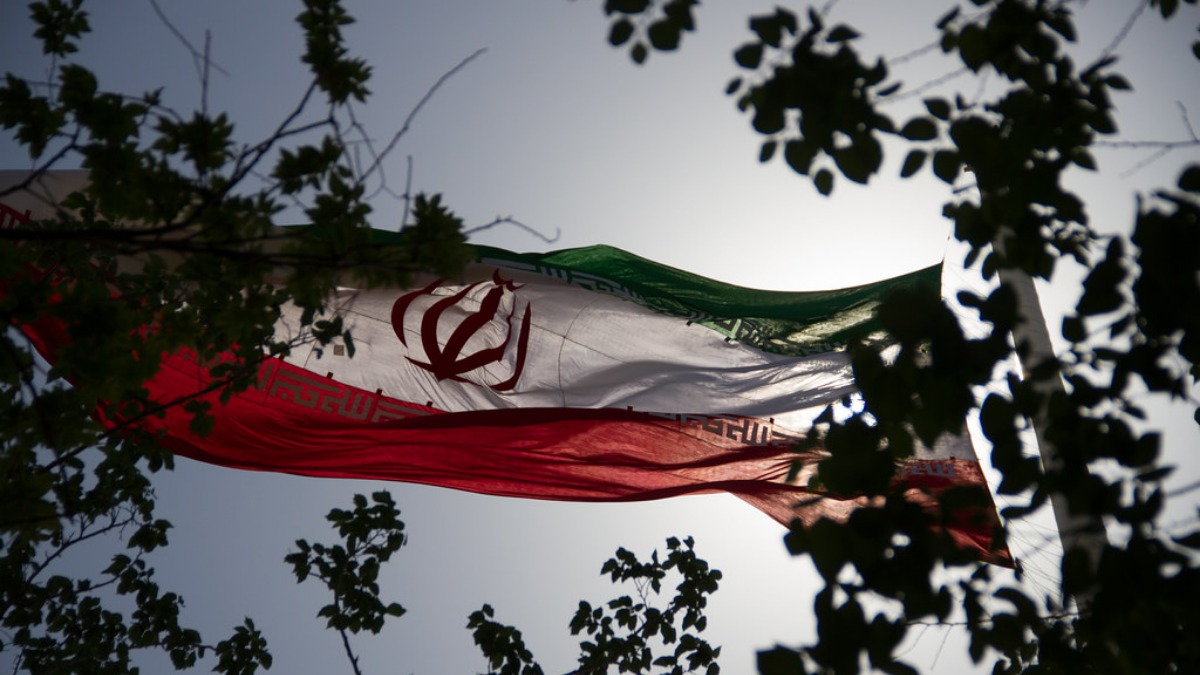

Iran’s top negotiator, Mohammad Bagher Qalibaf, made a blunt statement regarding the current state of diplomatic relations with the United States. He insisted that the U.S. must accept a new 14-point proposal from Tehran or face consequences that he claims will fall directly on American taxpayers, The Hill reported. This latest development comes after a weekend of high-stakes tension between the two nations, as both sides appear to be digging in their heels regarding their respective demands for peace.
The proposal, which has been submitted to the U.S. through the government of Pakistan, includes a series of sweeping requests. Among them is an effort to end the ongoing war within a 30-day window, the total withdrawal of American forces from Iran, and the removal of sanctions currently placed on Iranian assets. Additionally, the proposal calls for reparation payments, an end to the fighting in Lebanon, and a fundamental change in the way the Strait of Hormuz is governed. It is clear that
“There is no alternative but to accept the rights of the Iranian people as laid out in the 14-point proposal. Any other approach will be completely inconclusive; nothing but one failure after another,” Ghalibaf wrote in a post on X. He did not stop there, warning that the financial burden of a continued stalemate would be significant for the American public. “The longer they drag their feet, the more American taxpayers will pay for it,” he added.
Tehran is looking for a comprehensive deal, but the path to getting there is looking increasingly rocky
This move follows a very public rejection of Iran’s earlier response to a U.S. agreement. On Sunday, President Trump took to Truth Social to express his clear dissatisfaction with the counteroffer he received from Iranian officials. “I have just read the response from Iran’s so-called ‘Representatives.’ I don’t like it — TOTALLY UNACCEPTABLE!” Trump wrote. The president has been consistent in his messaging, demanding that Iran permanently dismantle its nuclear enrichment program as a prerequisite for any meaningful progress.
The tension is also heavily influenced by the situation surrounding the Strait of Hormuz. This waterway has become a major point of contention and leverage for Tehran, which has suggested implementing a long-term tolling system for global shipping vessels passing through the area. While Iran is pushing to separate nuclear negotiations from discussions about the Strait, the current U.S. administration is holding firm on its requirement that nuclear commitments be addressed up front.
Iranian Foreign Ministry spokesperson Esmail Baghaei has argued that the country wants to focus on what he describes as urgent matters, such as ending the war in all its forms. Baghaei has indicated that decisions regarding the nuclear program should be settled only when the time is right.
The economic impact of this ongoing standoff is already being felt by regular people. The U.S. and Iran have been locked in a conflict for more than two months, and while things have settled into a relative ceasefire since early April, the military blockades on the Strait of Hormuz remain firmly in place. This has led to a major spike in global oil and gas prices.
For those of you heading to the pump, the reality is stark. According to AAA, the average cost for a regular gallon of gas in the U.S. on Monday sat at about $4.52. That is a significant jump from the $3.13 price point observed at the same time last year. Shortages of fertilizer and other energy-related derivatives are also starting to compound the problem for various industries.
President Trump seems determined to shift the dynamic of these negotiations. On Sunday, he emphasized that Iran would be laughing no longer as he works to finalize a peace framework. He reflected on the history of the relationship, noting that for 47 years, the Iranians have been tapping the U.S. along. He specifically mentioned frustrations regarding past incidents, including the loss of life from roadside bombs and the recent reports of 42,000 casualties among protestors.








Published: May 12, 2026 02:30 pm