



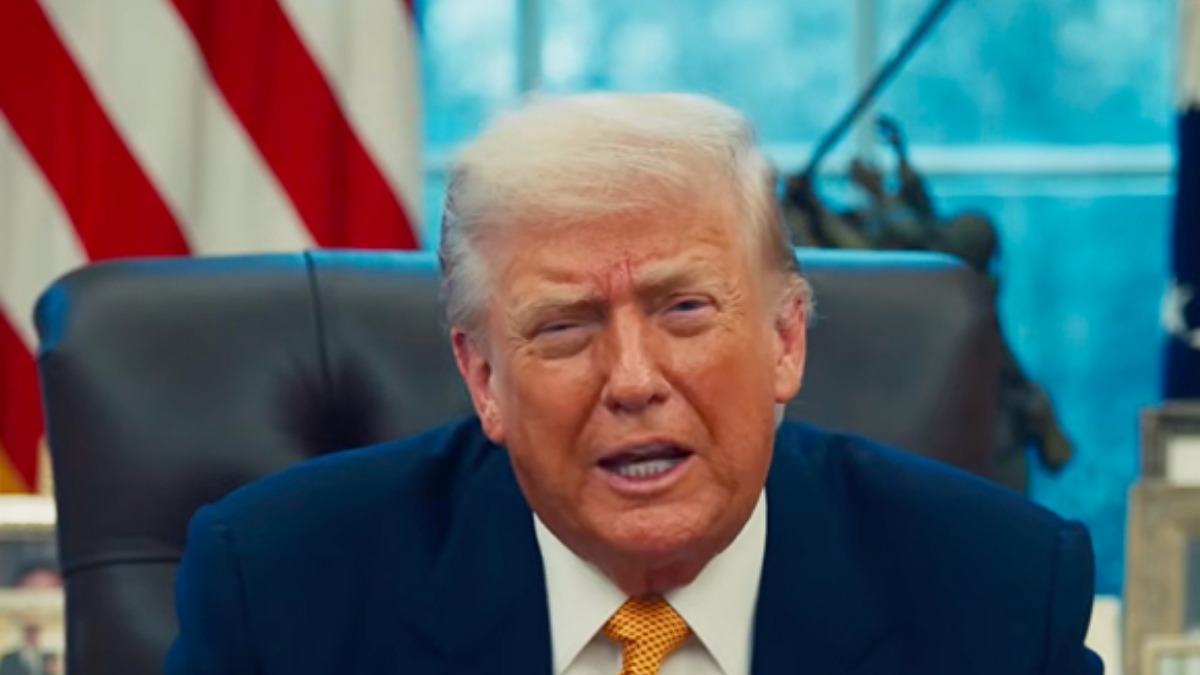

President Trump formally rejected the Iranian government’s official response to his administration’s peace proposal, labeling the terms as entirely insufficient, The Hill reports. The development comes after the Islamic Republic News Agency confirmed that negotiators in Tehran had finally submitted their formal reply to the United States.
Writing on his Truth Social platform, the President made his stance crystal clear to the public. He stated, “I have just read the response from Iran’s so-called ‘Representatives.’ I don’t like it — TOTALLY UNACCEPTABLE!” This rejection marks a significant hurdle in the ongoing diplomatic efforts to stabilize the region, especially since the proposal was intended to serve as a comprehensive framework for ending the current hostilities.
The diplomatic landscape has been complicated, with Pakistan playing a central role in the mediation process. Prime Minister Shehbaz Sharif confirmed on Sunday that his government had received the response from Tehran, acting as a go-between alongside his army chief Asim Munir and Foreign Minister Ishaq Dar. These officials have been working to facilitate a lasting peace between Washington, D.C. and Tehran, but the latest feedback from Iran suggests that the two sides remain far apart on the most critical issues.
The main point of contention appears to be the same issue that helped spark the current conflict: the Islamic Republic’s uranium enrichment program
Reports circulating throughout the week indicated that the Trump administration’s proposed deal relied on a simple trade-off. The United States would drop sanctions and release billions in frozen Iranian funds in exchange for a full moratorium on uranium enrichment. Additionally, the deal sought to lift shipping restrictions in the Strait of Hormuz. This waterway has become a flashpoint for global tension, as the Iranian military has been accused of laying mines and threatening non-allied vessels since the conflict began on February 28. In response, the United States Navy has maintained a strict blockade of Iranian ports since April 13.
Despite the administration’s push for a nuclear freeze, the response from Tehran seems to ignore those primary demands. Instead, the proposal from the Iranian side prioritizes an immediate end to the fighting and a gradual, phased opening of the Strait of Hormuz. Rather than agreeing to a permanent halt on enrichment, Iran suggested that nuclear issues could be negotiated over the next 30 days.
This timeline matches the memo that the administration reportedly submitted to Tehran earlier in the week. Iran’s counter-proposal suggests diluting some of its enriched uranium while transferring the remainder to a third-party country. However, the catch is that the material would be returned to Iran if negotiations fall apart or if the United States decides to exit the agreement at a later date. This is a massive sticking point, as it creates an exit ramp that the administration likely finds unpalatable.
The rhetoric coming out of Iran has remained consistently defiant throughout the negotiation window. On Friday, Iranian Foreign Minister Abbas Araghchi, who has been leading the discussions alongside Parliament Speaker Mohammad Bagher Qalibaf, stated that his country will “never bow to pressure” and the Iranian military retains “1,000%” readiness to “defend our people” amid discussions.
This sentiment was echoed by other officials throughout the week. Ebrahim Rezaei, a spokesperson for the Iranian Parliament on national security, dismissed the U.S. proposal as a “wish list” on Wednesday. He posted on X, “Americans will not obtain through a failed war what they failed to gain in face-to-face negotiations. Iran has its finger on the trigger and is ready; if they do not surrender and grant the necessary concessions, or if they or their devilish henchdog allies try to act mischievously, we will deliver a harsh and regret-inducing response.”
The Iranian leadership seems intent on projecting strength even while engaging in these high-stakes talks. On Sunday, President Masoud Pezeshkian emphasized that the submission of a response does not equate to a change in policy. He wrote on X, “We will never bow our heads before the enemy, and if talk of dialogue or negotiation arises, it does not mean surrender or retreat. Rather, the goal is to uphold the rights of the Iranian nation and to defend national interests with resolute strength.”
It is clear that while the administration is seeking a specific, binding agreement on nuclear activities, the Iranian government is viewing these negotiations through a lens of national sovereignty and resistance. With the President already dismissing the response as unacceptable, the future of these talks remains highly uncertain. The White House has been approached for comment, but until further notice, the pressure continues to mount on both sides to find a path that satisfies their respective security requirements.









Published: May 11, 2026 01:45 pm