



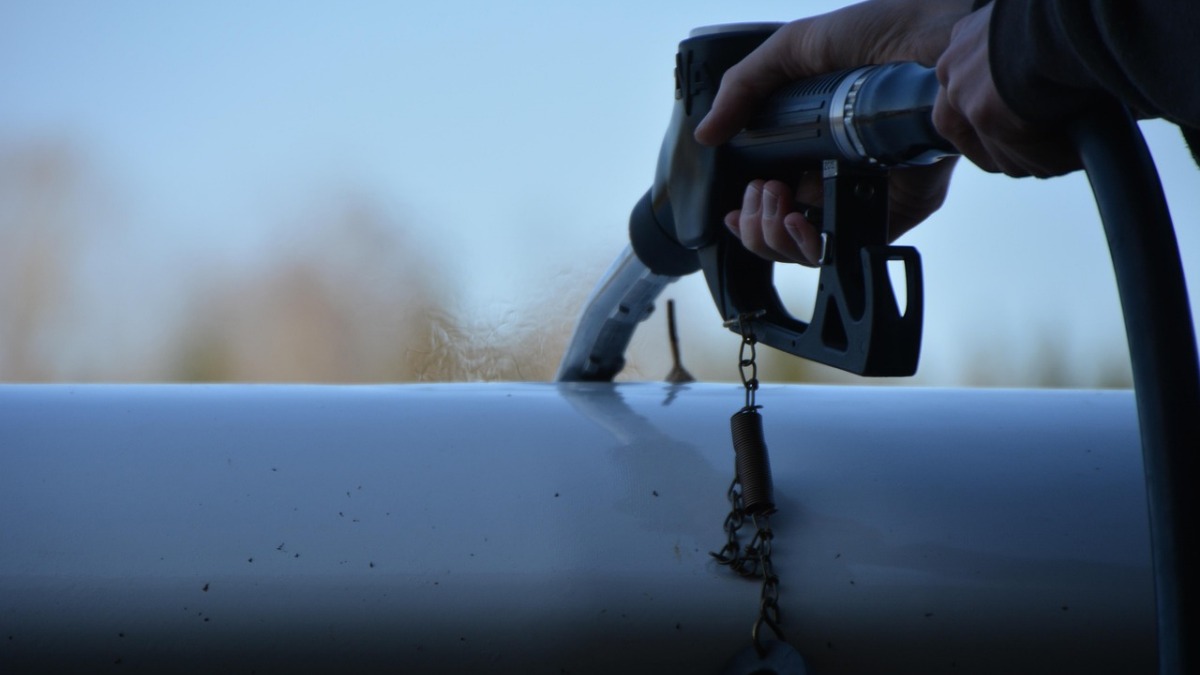

President Donald Trump’s war with Iran, which began on February 28, 2026, has caused one of the largest oil supply disruptions in history. Iran closed the Strait of Hormuz in response to a US and Israeli air campaign, cutting off roughly 20% of the world’s seaborne oil trade. The closure has sent gas prices soaring across the globe, with American drivers among those feeling the pain most directly.
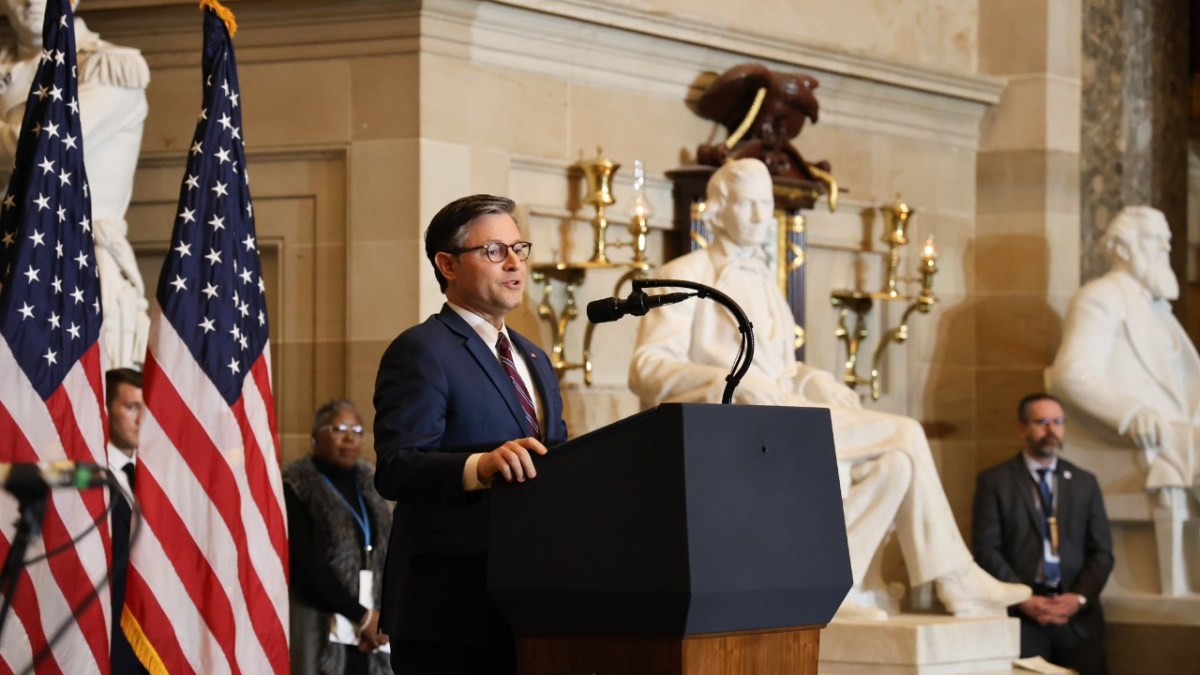
Trump recently addressed reporters in the Oval Office during a Maternal Healthcare Event. He was asked about the economic impact of losing access to the strait. Rather than treating it as a crisis, Trump framed it as an opportunity. He said he wanted to temporarily waive the federal gas tax to ease the burden on drivers, while at the same time arguing the closure was not a bad thing for America.
That is when Trump made his now widely shared remarks. “When people heard about losing Hormuz, they said, ‘Oh, this is, it’s genius,'” Trump told reporters. “They’re finding other locations.” He pointed to Texas, Louisiana, and Alaska as the places foreign buyers were now turning to for oil. He also said prices would “drop like a rock” once the war ended, though he offered no clear timeline for that happening.
The US is selling more oil, but Americans are still paying more at the pump
There is a factual basis to part of what Trump said. According to CNBC, US oil exports have jumped to 5.2 million barrels per day in April, a more than 30% increase over the 3.9 million barrels per day exported before the war began. The Port of Corpus Christi in Texas has seen its busiest month and busiest quarter on record, with 50 to 60 very large crude carriers arriving at US ports on any given day, double the volume from last year.
But the scale of the problem makes the US export boom look small. According to the International Energy Agency, global oil supply fell by more than 10 million barrels per day in March alone, the largest supply disruption in history. The total loss in oil exports exceeded 13 million barrels per day.
Matt Smith, director of commodity research at Kpler, was direct about what this means. “It’s a hole that can’t be plugged,” he said. “The answer has to be ensuring secure supply from the Middle East.” Secretary of State Marco Rubio has also warned Iran over attacks on ships in the strait, saying the US will not tolerate further disruptions to freedom of navigation.
The bigger question is why higher US export revenue does not help Americans at the pump. The answer comes down to how oil markets work. Oil is bought and sold globally, and the price Americans pay for gas follows that global price. When supply falls anywhere in the world, prices rise everywhere, including inside the US.
The fact that American oil companies are selling more barrels at higher prices benefits those companies, not consumers. The US also still imports large amounts of heavier crude oil because American-produced crude, which is lighter and sweeter, cannot on its own meet all domestic refining needs.
The Trump administration’s decision to blockade Iranian ports in April made things worse. Iran had actually been exporting more oil during the early weeks of the war, which was helping to keep global prices from rising even faster. Cutting that off removed more supply from the market.
Trump has separately claimed critics predicted $300 oil prices and called the current situation a victory, even as Americans continue paying well above $4 a gallon. As of this week, the national average price of a gallon of regular gasoline sits at $4.50, which was below $3 before the war began, according to AAA. California has already crossed $5 per gallon.








Published: May 12, 2026 01:45 pm