





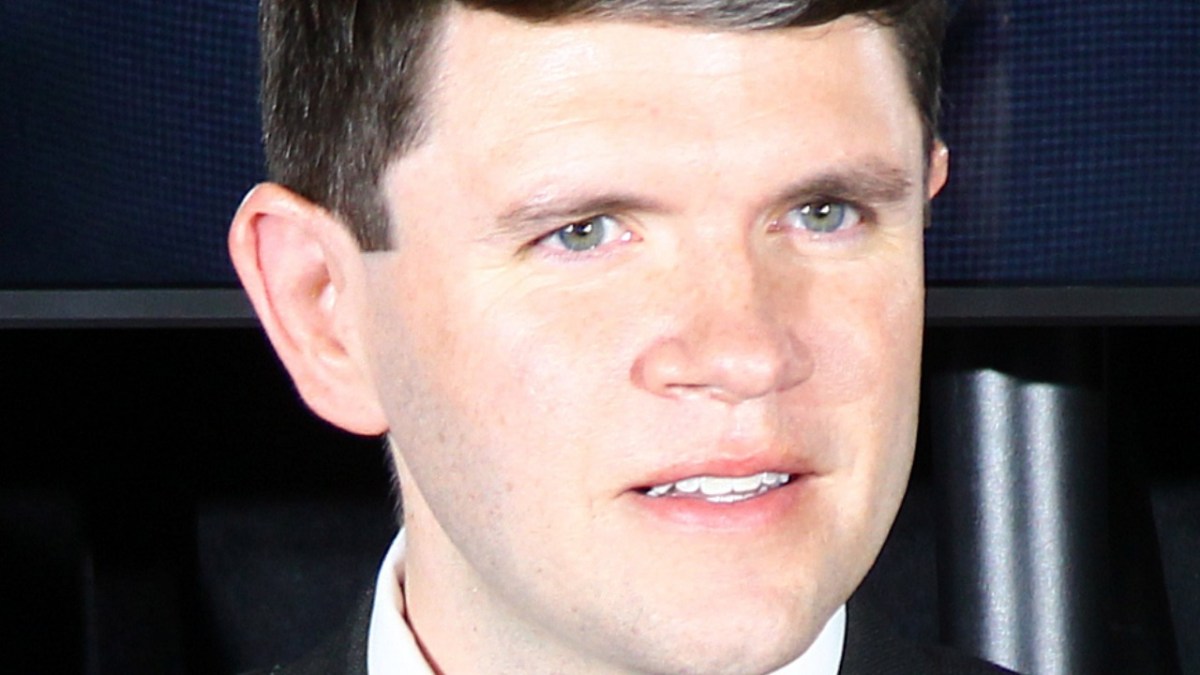
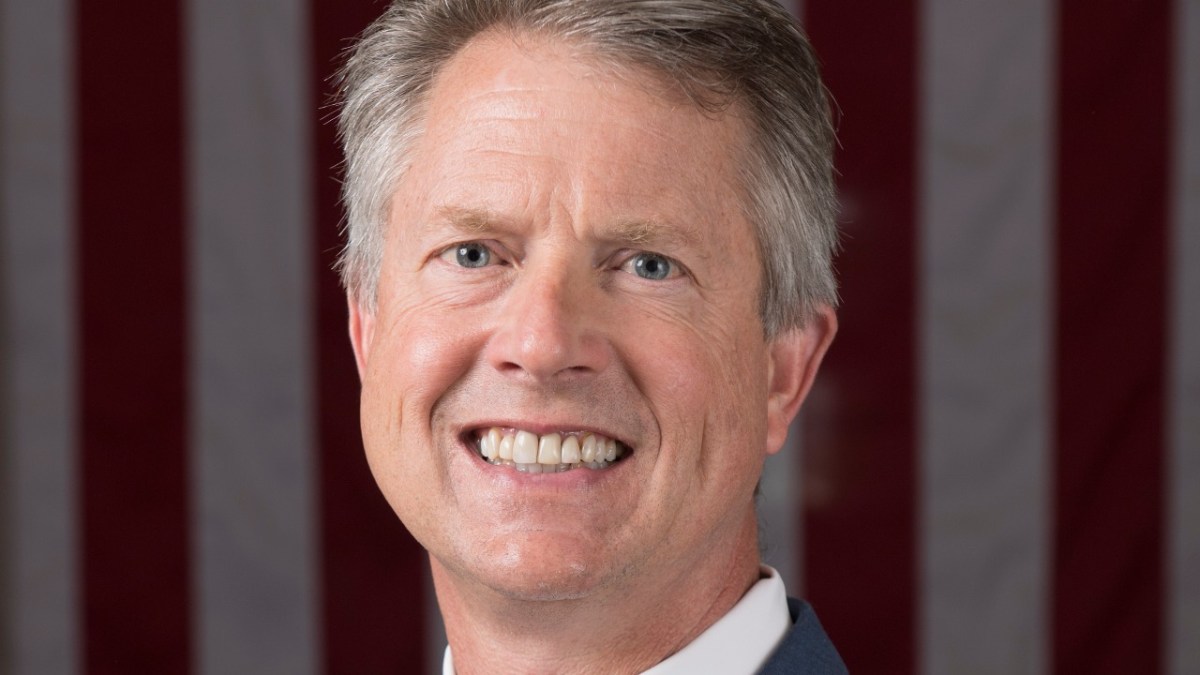
The political landscape in Iowa just shifted in a way that few saw coming, as a primary contest for governor resulted in a loss for a candidate backed by President Donald Trump. Randy Feenstra, a three-term congressman and a reliable supporter of the president, conceded the race after being defeated by businessman and farmer Zach Lahn, the BBC reported.
This is the first time in the current midterm election cycle that a candidate endorsed by Trump for governor, the House, or the Senate has lost a primary battle. With 99% of the expected vote counted, Lahn secured 37.8% of the vote while Feenstra finished with 37%.
The loss for Feenstra feels like a wake-up call for those who viewed a Trump endorsement as a guaranteed ticket to victory. Over the past few weeks, the political narrative suggested that the president’s influence was absolute. We saw Congressman Thomas Massie in Kentucky and Senator Bill Cassidy get unseated by Trump-backed challengers, and Texas Attorney General Ken Paxton secured his nomination, though that win looked likely regardless of outside help.
In Iowa, however, the momentum hit a wall
A strategist in the Trump camp acknowledged the result, stating, “Clearly a Randy problem. Barely won his own district,” before adding, “But, it is what it is. So we go with Lahn. That’s fine. He did well.” The result seems to suggest that while Trump remains popular with a large portion of Iowa Republicans, his political instincts might be struggling in a state that appears to be cooling off toward him.
Even though Iowa has voted for Trump in three straight elections, recent economic pressures are taking a toll. Trump’s wide-ranging trade tariffs have hit the state’s farmers hard, and the combination of the US-Israeli war with Iran has driven up costs for fuel and fertilizer. According to a recent YouGov/Economist poll, Trump has a net approval rating of -20% in Iowa. This environment creates a unique challenge for the Republican Party as they move toward the November general election.
Zach Lahn ran a campaign that felt distinctly Trumpian, focusing on slogans like “Make Iowa Healthy Again” and “Iowa first.” He aligned himself with the movement led by Health and Human Services Secretary Robert F. Kennedy Jr. and campaigned on limiting foreign and out-of-state ownership of Iowa land.
Lahn also railed against what he termed “global elites” and secured the backing of Turning Point USA. Interestingly, Lahn also benefited from the support of former Rep. Steve King, who lost to Feenstra in a bitter 2020 House primary. When the race was called, Lahn was leading Feenstra in 16 of the 19 counties that King had won previously.
Feenstra tried to lean into his loyalty to the president, even featuring Trump’s late endorsement in his closing argument advertisements. He also attempted to paint Lahn as a poor choice by highlighting Lahn’s investment in a company that sells sex toys. However, grassroots conservatives who viewed Feenstra as too much a part of the Washington establishment weren’t swayed by those tactics. Adam Steen, another candidate in the race, finished in a distant third place with about 15% of the vote.
Now, Lahn faces off against Democratic State Auditor Rob Sand in November. Sand has been able to focus entirely on the general election since he didn’t face a primary opponent. He has built a reputation for an anti-establishment message that criticizes both parties, promising to be a governor “for all of Iowa.” Will Rogers, a former GOP chairman for Polk County, noted that Sand is a sharp political operator who has been doing significant ground-game work in areas that were previously ignored by Democrats.
The stakes are high for both parties. Republicans are dealing with the loss of a proven vote-getter in Gov. Kim Reynolds, who decided not to seek a third term, and Sen. Joni Ernst, who is also stepping aside. With competitive races for the governor’s seat, the Senate, and three of the four Republican-held House seats, the GOP is relying on newer candidates to fill the void.
Meanwhile, Democrats see an opening to flip the governorship and potentially the Senate seat. Election analysis groups have already moved several of these contests into the toss-up or leans Republican categories. While Texas often draws the national spotlight, the key to success in November might actually be found in the cornfields of Iowa. It’s a state that was once generally blue but has trended red in recent years, making it a critical place to watch as we head toward the general election.


Published: Jun 3, 2026 05:30 pm