



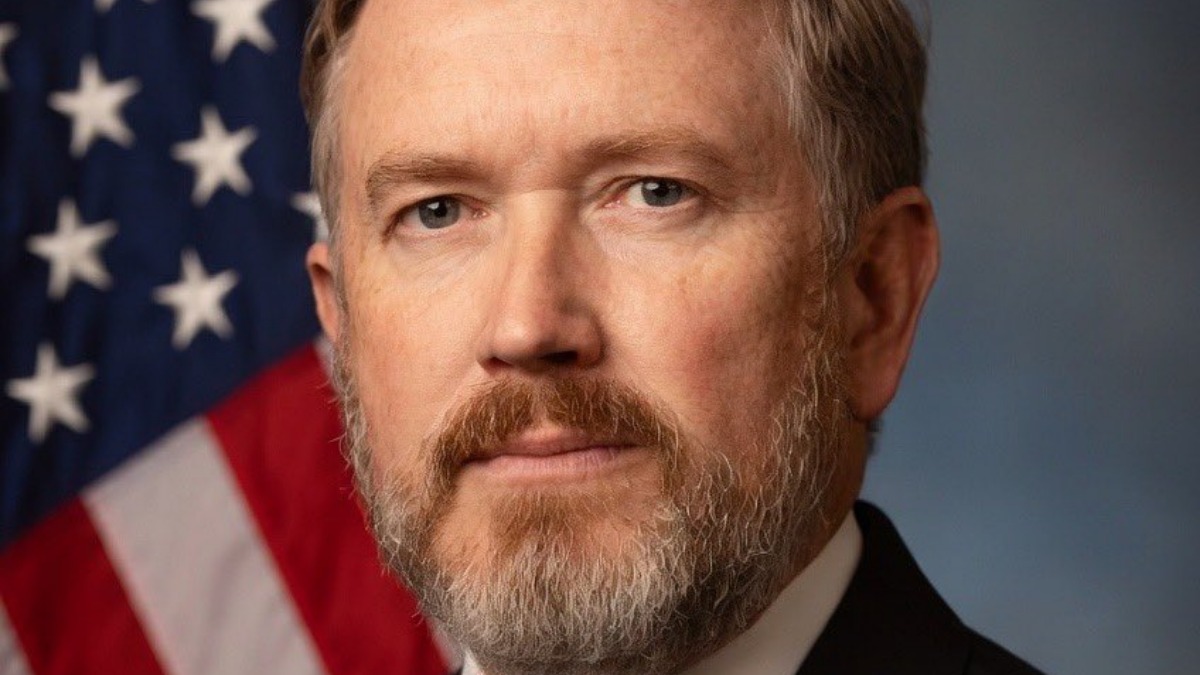

Representative Thomas Massie is calling for a major shift in how the United States handles its relationship with Israel, specifically suggesting that withholding military aid for a single month would bring about immediate regional stability, Antiwar News reported. The Kentucky Republican responded to reports regarding a tense phone call between President Trump and Israeli Prime Minister Benjamin Netanyahu. Massie argues that if the United States truly wanted to see an end to the ongoing conflicts, the solution is straightforward and within the government’s control.
The core of Massie’s argument centers on the financial and military leverage the United States holds. He wrote on X, “It’s all talk. Just withhold foreign aid to Israel for a month and they’ll stop bombing their neighbors – instant peace, the Strait of Hormuz can be opened, and gas drops $2 a gallon.” Massie further emphasized his point by stating, “Israel has been, and continues to be, the biggest welfare recipient from American tax payers.”
His perspective highlights a long-standing frustration he has held as one of the few members of his party who consistently votes against providing military assistance to Israel. This position has not been without its consequences for him, as he recently faced a difficult primary race that became the most expensive House primary in the history of the United States. That race saw significant spending from pro-Israel groups and donors, eventually resulting in a loss to a candidate backed by President Trump.
Massie’s comments stem from a volatile situation involving Trump and Netanyahu
According to reports from Monday, President Trump engaged in an expletive-laden call with the Israeli leader, expressing clear frustration over Israel’s decision to escalate its military operations in Lebanon. Sources briefed on the call indicated that President Trump was particularly concerned about the potential for these strikes to derail ongoing negotiations with Iran. During the conversation, President Trump reportedly told Netanyahu, “You’re f-cking crazy. You’d be in prison if it weren’t for me. I’m saving your ass. Everybody hates you now. Everybody hates Israel because of this.”
The intensity of the call was significant, with one source noting that President Trump was visibly angry and at one point yelled, “What the f-ck are you doing?” The President’s frustration was reportedly driven by the fact that Netanyahu’s recent escalations were threatening to undermine his diplomatic efforts.
While President Trump acknowledged that Israel has a right to defend itself against Hezbollah, he felt that the recent military actions, which included the destruction of buildings to target single commanders and high civilian casualties, were disproportionate. There was also a specific concern regarding potential strikes on Beirut, which President Trump felt would further isolate Israel on the global stage.
Despite these tensions, the political relationship remains complex. President Trump has historically maintained a close coordination with Netanyahu on issues involving Iran, even during previous periods of friction. Following the heated exchange on Monday, President Trump took to Truth Social to announce that his negotiations with Iran were continuing at a rapid pace.
Meanwhile, Netanyahu released a statement asserting that his position remains unchanged, noting that Israel would continue its operations in southern Lebanon and would be prepared to strike Beirut if Hezbollah continues its attacks. An Israeli official told reporters that while Israel initially threatened to strike targets in Beirut, those plans were adjusted, with one source suggesting that President Trump effectively exerted his influence to halt those specific actions.
Massie’s commentary also touched upon the deeper geopolitical dynamics between the two leaders. On Tuesday, he posted on X, suggesting that the more the Israeli leader prevents a war with Iran from ending, the more obvious it becomes that he convinced President Trump to start it. This rhetoric underscores the deep divide between Massie and the mainstream approach to foreign policy favored by many in his own party. His insistence that the United States possesses the power to force a ceasefire through financial pressure is a central pillar of his legislative identity.








Published: Jun 3, 2026 03:30 pm