



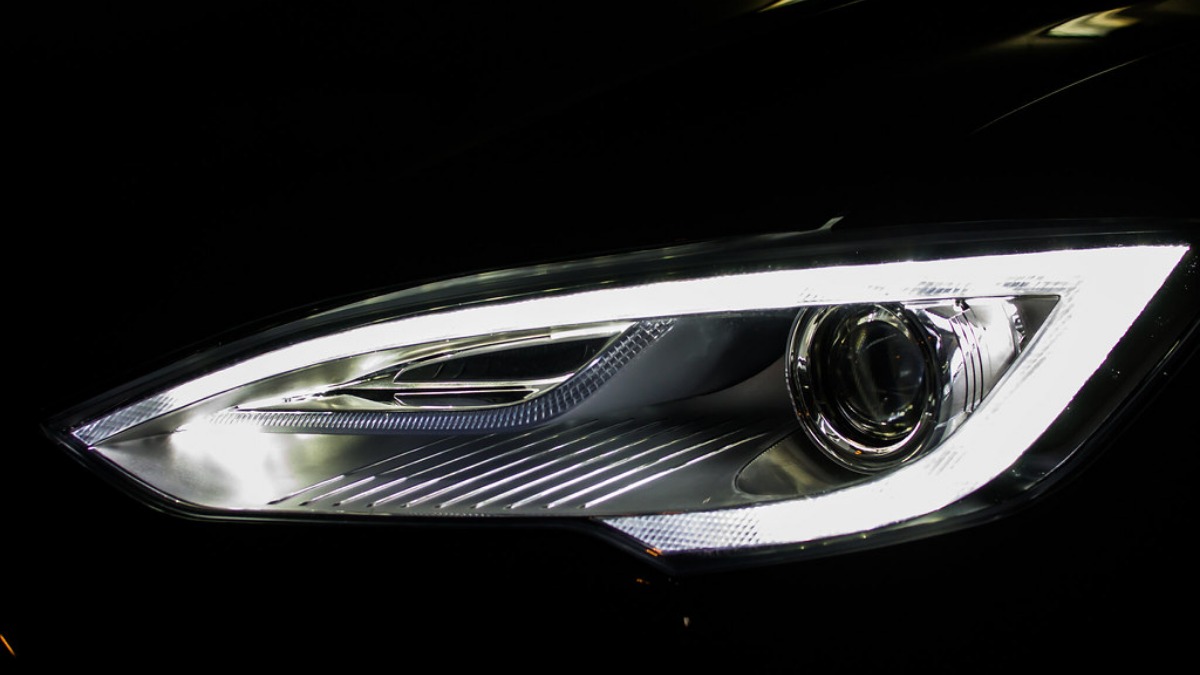

The National Highway Traffic Safety Administration has denied a petition from Tesla seeking to avoid a recall covering nearly 20,000 vehicles with headlights that exceed federal brightness limits. As detailed by the Federal Register notice, the agency rejected the automaker’s argument that the issue was inconsequential and does not warrant a formal fix. The ruling keeps Tesla on the hook for correcting the affected vehicles.
The noncompliance involves approximately 19,917 Model 3 and Model Y vehicles built between October 27, 2017, and December 24, 2023. These cars were found to violate Federal Motor Vehicle Safety Standard No. 108, which governs lamps and reflective devices, in the 10-degree to 90-degree upward zone where output is capped at 125 candela. Testing on some of the Tesla units found brightness levels as high as 230.1 candela, nearly double the legal limit.
Tesla filed a noncompliance report on the issue back in March 2024, then petitioned regulators to skip the recall altogether. As BroBible detailed, the company argued the excess brightness occurred in zones outside a typical driver’s direct line of sight, and pointed to internal testing along with an absence of formal complaints or reported crashes tied to the headlights.
The agency wasn’t swayed by Tesla’s argument that nobody had complained
NHTSA’s response made clear that the lack of formal complaints does not mean the defect poses no risk, noting that drivers blinded by glare at night often have no way to identify which vehicle caused it. The agency also emphasized that brightness standards exist specifically to prevent veiling glare, which occurs when excess light scatters off rain, snow, or fog, a scenario the automaker’s own testing did not account for.
This marks the second time in recent years that NHTSA has denied this kind of request. The agency noted it rejected a similar petition from General Motors in 2022, and reporting from BroBible on both cases points to a consistent stance from regulators that pushing past brightness limits isn’t treated as a minor technicality, even as automakers continue chasing regulatory approval for driver-assistance features elsewhere.
Glare complaints from drivers have become more common in recent years. A March survey from the American Automobile Association found that six in 10 drivers consider nighttime glare a significant problem, and more than 75 percent of respondents said the issue has worsened over the past decade, a frustration that has occasionally intersected with unrelated vehicle safety stories, including a fatal house crash tied to a Tesla’s driver-assistance system earlier this year.
Tesla is now required to notify owners of the noncompliance and provide a free remedy. Affected Model 3 and Model Y owners should expect to hear from the automaker regarding the fix in the coming weeks.

Published: Jul 22, 2026 08:00 am