



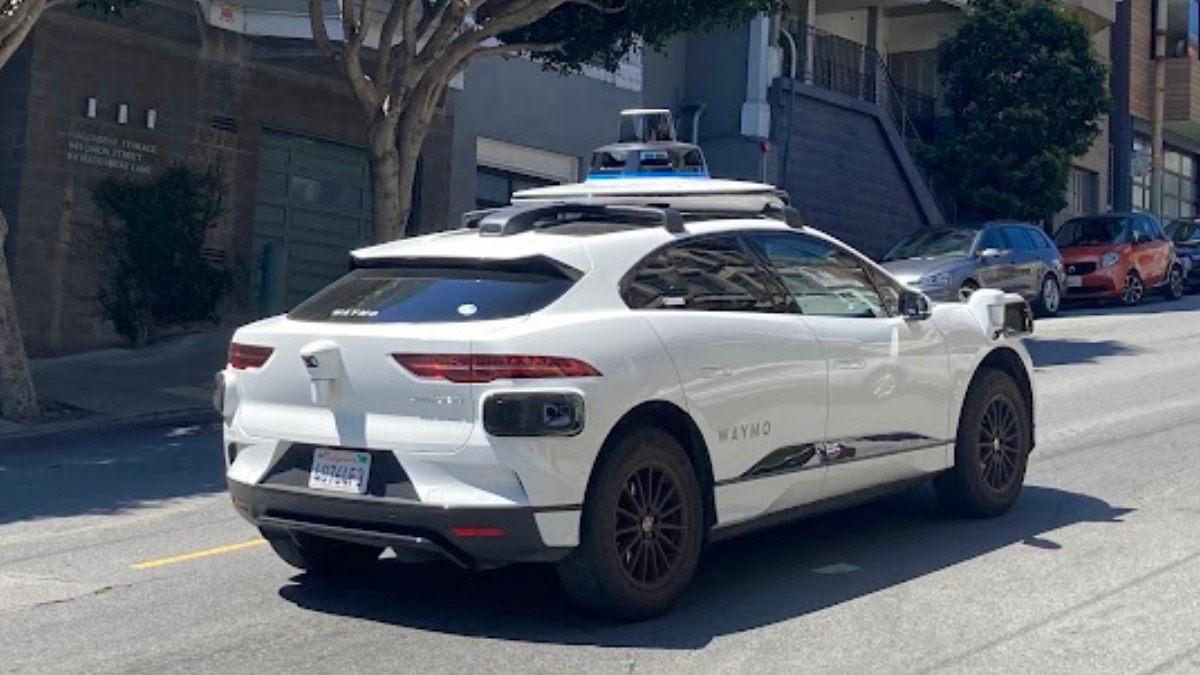

Waymo is currently recalling approximately 3,800 of its robotaxis across the United States to address a software glitch that could allow the vehicles to drive onto a flooded roadway, CNBC reported. This voluntary recall, which was confirmed in a letter posted on the National Highway Traffic Safety Administration website, impacts vehicles equipped with the company’s fifth and sixth-generation automated driving systems. It’s a significant move for the Alphabet-owned unit, especially as it works to rapidly grow its fleet and push into new cities across the country.
The decision follows a series of concerning incidents involving autonomous vehicles navigating hazardous weather conditions. Specifically, a Waymo autonomous vehicle in San Antonio, Texas, entered a flooded road on April 20 and was swept away into a creek. Fortunately, there were no passengers on board during the incident, but the event triggered a federal probe and paved the way for this latest recall. While the company is currently working on readying operations to resume public rides in San Antonio, the service in that market remains temporarily suspended.
This isn’t the first time weather has caused headaches for the company. In Austin, Texas, Waymo autonomous vehicles were recently spotted on camera driving onto a flooded street and stalling. This left the vehicles stranded, which forced other human drivers to navigate around them.
These occurrences are part of a broader pattern of safety issues that have drawn criticism from the public and regulators alike
For example, the company has previously faced scrutiny for its vehicles failing to yield to school buses in Austin and for their performance during widespread power outages in San Francisco back in December 2025. During those blackouts, robotaxis halted in traffic, which caused major gridlock for other commuters.
In a statement released on Tuesday, Waymo said it has “identified an area of improvement regarding untraversable flooded lanes specific to higher-speed roadways.” The company emphasized that it opted to file a “voluntary software recall” with the National Highway Traffic Safety Administration to address these concerns directly. Regarding its broader safety mission, the company noted that “Waymo provides over half a million trips every week in some of the most challenging driving environments across the U.S., and safety is our primary priority.”
To prevent future incidents, Waymo is currently working on “additional software safeguards” and has implemented “mitigations” that limit where its robotaxis are allowed to operate during extreme weather. The goal is to ensure that vehicles avoid “areas where flash flooding might occur” during periods of intense rain. It’s an essential step because the company currently operates a commercial robotaxi service in 11 U.S. markets, including major hubs like San Francisco, Los Angeles, Phoenix, Austin, and Miami. While some of these markets offer broad public access, others are still limited to select riders.
Looking back at the December 2025 events, it’s clear that balancing rapid expansion with environmental challenges is a difficult task. During those storms, Waymo temporarily paused its service in the San Francisco Bay Area after a customer notification in the app confirmed the service was paused due to a National Weather Service flash flood warning. This pause followed the December 20 incident where power outages left tens of thousands without electricity and caused the autonomous fleet to stall in mid-traffic.
Industry experts have been vocal about the need for better oversight as these fleets grow. Jeffrey Tumlin, the former CEO of the San Francisco Municipal Transit Authority, has suggested that regulators and companies should focus on what a reasonable number of autonomous vehicles should be on city streets based on time of day, geography, and weather.
He also proposed that regulators might want to implement a staged system where companies can scale operations only after meeting specific safety tests. One such test would be how quickly a company can safely move its vehicles out of the way of traffic if they encounter confusing situations, such as intersections with non-functioning traffic lights.



Published: May 13, 2026 09:15 am