




The Department of Justice and the Bureau of Alcohol, Tobacco, Firearms and Explosives (ATF) have quietly put forward a set of proposed regulatory changes that could completely change how guns are bought and sold in the United States.
According to Meidas Touch, the proposals came shortly after a shooting near the White House Correspondents’ Dinner. The changes are aimed at modernizing outdated systems and respecting lawful gun ownership rights, but they have sparked a serious debate about the risks of online firearm sales.
On the surface, the proposed changes may look like minor technical updates. But they actually point toward something much bigger: the slow removal of nearly six decades of rules that have required gun purchases to happen face-to-face. If the rules go through as planned, they could effectively make it legal to order firearms online and have them delivered directly to your home, much like buying electronics or clothing on Amazon.
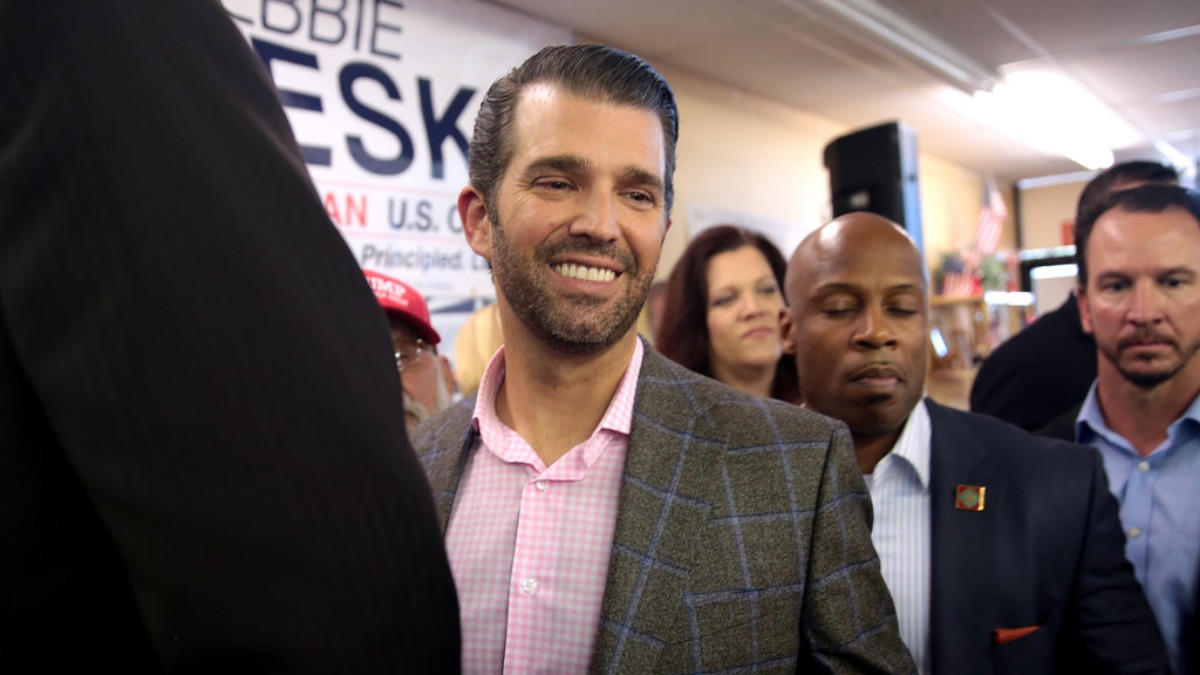
Donald Trump Jr.’s stake in GrabAGun puts a spotlight on who stands to gain from these changes
Supporters say the changes will cut down on unnecessary red tape and better respect the rights of lawful gun owners. Critics, however, warn that the new rules could open the door to gun trafficking, straw purchases, identity fraud, and other criminal activity. They also say the changes would weaken one of the most important safeguards in U.S. gun law: in-person identity verification.
Adding to the controversy is the financial interest that Donald Trump Jr. holds in GrabAGun, an online gun retailer that openly markets itself as the “Amazon of guns.” If federal rules shift toward making residential gun delivery easier and more widespread, companies like GrabAGun stand to gain enormously.
GrabAGun specializes in assault-style rifles, high-capacity magazines, suppressors, tactical accessories, and firearm parts, and its business model is built around a smooth, mobile-friendly digital shopping experience aimed at younger consumers.
Trump Jr.’s financial stake in GrabAGun has raised clear ethical and political questions. If the Trump administration pushes forward with policies that make nationwide online gun delivery a reality, the value of online gun retailers could increase significantly. Critics say this creates, at the very least, the appearance of a conflict of interest. This is not the first time Trump’s inner circle has drawn scrutiny over financial dealings tied to the administration.
Supporters of Trump Jr. argue that he is simply a private citizen taking part in lawful business, and that the regulatory changes are just modernizing rules that are long out of date. Still, the connection between the administration’s policy direction and Trump Jr.’s personal financial interests has become very difficult to overlook.
The proposed changes also reflect a broader shift in how conservative gun policy is evolving. For many years, gun-rights advocates focused on issues like expanding concealed carry, protecting assault weapon ownership, and blocking federal gun registries. But increasingly, the focus has turned toward making it easier and faster to buy guns in the first place.
This new thinking treats firearms less like specially regulated products and more like ordinary consumer goods. It fits naturally with a wider conservative push against federal bureaucracy, licensing requirements, and in-person compliance rules that are seen as unnecessary obstacles.
Meanwhile, the administration has also been active on other foreign policy fronts, with Trump’s escalating tensions with Iran on social media drawing widespread attention in recent weeks. Many details of the proposed rules are still unknown because the full regulatory text has not been released yet. The changes will also very likely face legal challenges, public pushback, and resistance from individual states.
But regardless of how many of the proposals survive, the overall direction of the administration’s thinking is becoming clear. For decades, requiring face-to-face firearm transactions was seen as a key safeguard against anonymous purchases, trafficking, and fraud. The Trump administration appears increasingly ready to treat those safeguards as outdated barriers to commerce.
If the reforms move forward, the United States could come closer than ever to having a fully digital gun marketplace, where firearms are bought online, verified remotely, and shipped straight to customers’ homes. The consequences would go far beyond convenience. It would reshape how gun trafficking works, how law enforcement investigates gun crimes, and how money flows through the entire firearms industry.








Published: May 13, 2026 09:02 am