



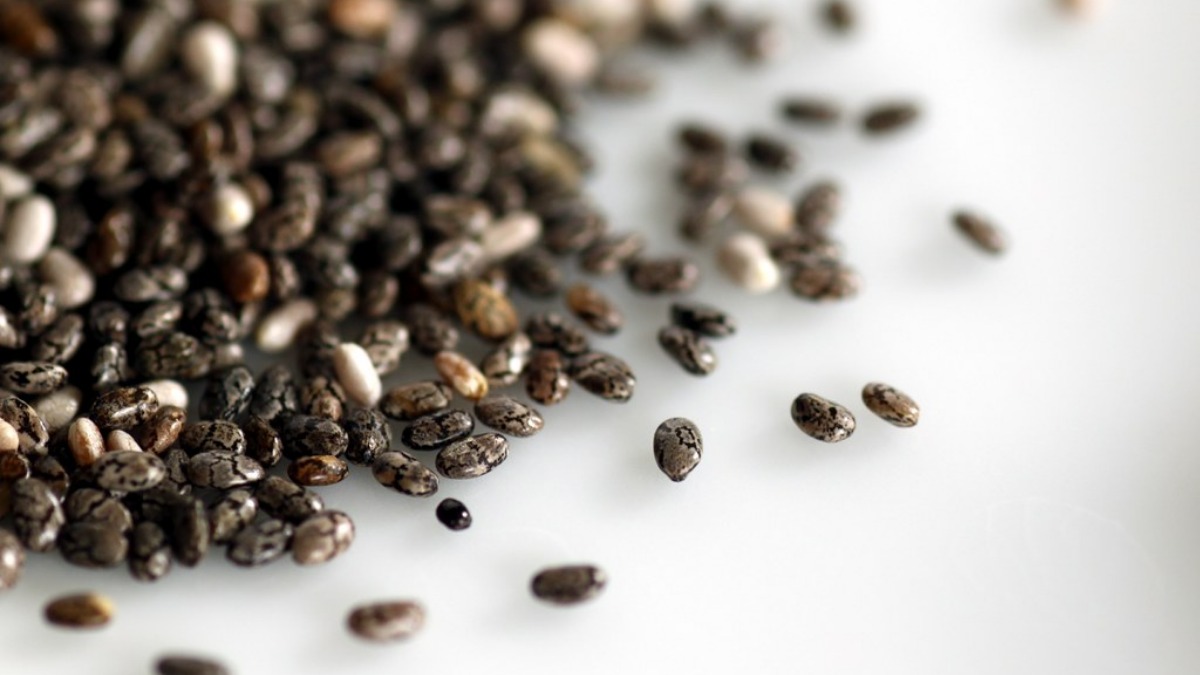

A viral challenge has people drinking a glass of water mixed with two tablespoons of chia seeds daily, with many calling it an “internal cleanse.” As detailed by LADbible, health experts are now cautioning that the trend could actually produce the opposite effect.
Chia seeds are genuinely packed with nutrients, including protein, fibre, omega-3 fatty acids, antioxidants, and a variety of essential vitamins and minerals. Research has also shown they can support brain chemistry in a way that helps curb overeating.
The problem, according to experts, is not the seeds themselves but how the challenge frames and doses them. Treating a single daily glass of seed water as a cleanse sets expectations the food simply cannot meet.
Experts say the seeds could block, not cleanse, your system
Nutritionist Rob Hobson has warned that suddenly introducing a large quantity of chia seeds into your diet can lead to bloating, wind, or significant digestive discomfort, particularly for those with sensitive digestion or IBS. The more pressing concern is the physical nature of the seeds themselves. Chia seeds are capable of absorbing moisture up to 12 times their own weight, meaning they can expand rapidly inside your digestive tract. Eating them dry and following with water, or consuming them in high quantities without proper preparation, can create a blockage or even a choking hazard.
Dr Karan Raj has also weighed in, comparing the expectation of a quick result from a single glass of chia water to thinking one session of exercise will produce a physique transformation. Amid broader online fascination with food-based health gadgets going viral, the appeal of fast fixes tied to specific foods continues to circulate widely on social media. While the fibre in chia seeds does feed gut microbes and supports a healthier digestive tract, Dr Raj notes those benefits are only temporary without consistent, long-term intake, and that months of habitual high-fibre consumption are needed to produce lasting results.
The broader case for increasing daily fibre intake is well-supported. Most adults fall short of the recommended 30g per day, and higher fibre consumption is linked to a reduced risk of stroke, heart disease, type 2 diabetes, and bowel cancer. Dr Raj highlighted that increasing fibre intake by around eight grams daily can lead to a 22 percent reduction in all-cause mortality, with a 16 percent drop in type 2 diabetes risk, a 15 percent reduction in heart disease risk, and an 18 percent lower stroke risk.
For those looking to safely boost their fibre intake, the NHS recommends incorporating wholemeal or granary breads, wholegrain pasta, brown rice, potatoes with their skins on, and legumes such as beans, lentils, and chickpeas. High-fibre breakfast options like porridge or shredded wheat cereal are also cited as reliable daily choices. These options reflect a pattern of consistent dietary change rather than a short-term fix, which aligns with what the experts say actually produces results. Amid growing health awareness online, including CDC guidance on disease prevention that has drawn attention, public health advisories have increasingly underscored the value of sustained, evidence-based health habits over reactive trends.
If using chia seeds, experts advise soaking them in water first before consuming so they absorb moisture before entering the digestive system rather than after.









Published: May 22, 2026 06:00 am