




A little-known company with close personal ties to the Trump administration is reportedly on the verge of securing a contract worth over $1 billion to build a gas pipeline across the Balkans. The firm, AAFS Infrastructure and Energy, has no prior track record on a project of this scale.
According to The Guardian, the deal covers the Southern Interconnection pipeline a major piece of energy infrastructure meant to replace Russian gas supplies with American imports, along with three power plants, bringing the total investment to over $1 billion.
AAFS’s registered office in Sarajevo is located behind a white door on a graffitied backstreet. Despite its low profile, the company is now at the center of a geopolitical push for energy influence in the region. Notably, the deal is reportedly moving forward without any competitive tender process, which is the standard procedure used to ensure public contracts go to capable firms at a fair price.
How political developments in the region have shaped the pipeline deal’s progress
The company’s known representatives have direct personal ties to the Trump administration. AAFS is represented by Jesse Binnall, a Washington lawyer who has defended the Trump family in political cases and was involved in efforts to challenge the 2020 election results.
He is joined by Joe Flynn, the brother of former national security adviser Michael Flynn. Both Binnall and Flynn were also involved in the America Project, a well-funded initiative tied to efforts to discredit the 2020 presidential election.
When asked about the company’s shareholders, AAFS local representative Amer Bekan confirmed that Binnall and Flynn are involved, though he declined to name other backers. Bekan suggested that funding would likely come from American investment funds.
The Trump administration has publicly supported the project, though the specific qualifications of Binnall and Flynn for a complex energy venture of this size have not been made clear. Bosnia and Herzegovina’s political situation adds significant weight to the developments around the pipeline.
The country is still navigating the legacy of a 1995 peace deal that ended a devastating war, and political tensions in the region remain high. The Trump administration recently lifted sanctions on Bosnian Serb ultranationalist leader Milorad Dodik, though no explanation was given for that decision.
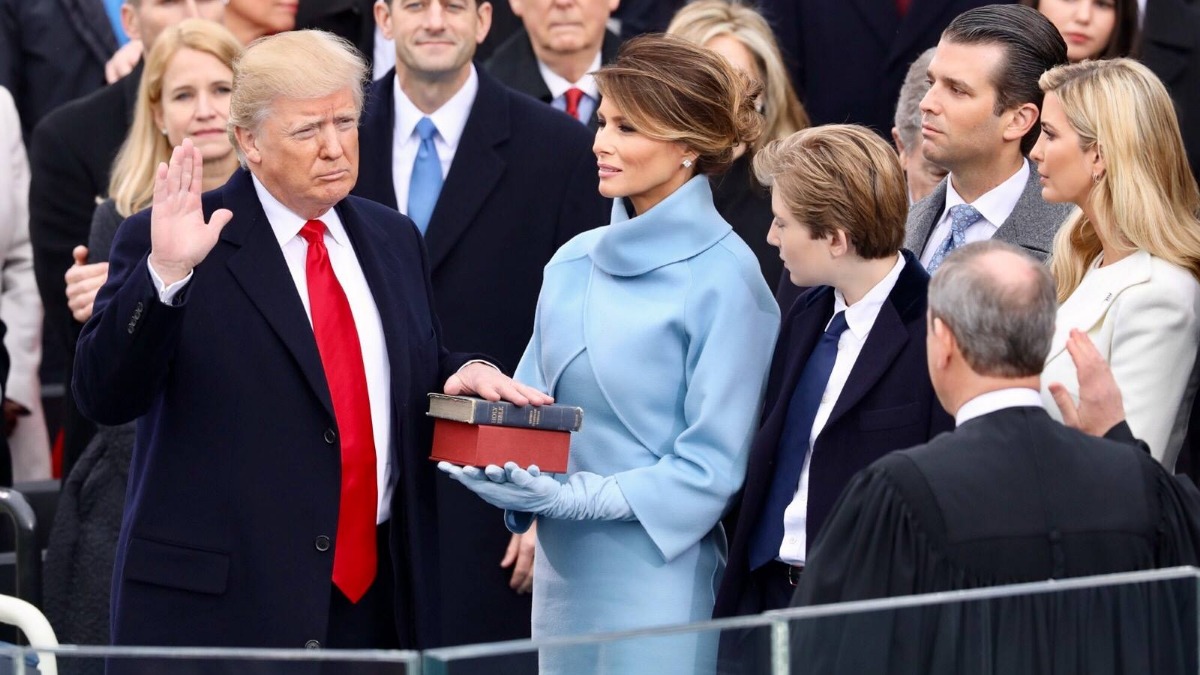
Donald Trump Jr. then visited the region in April and was welcomed by Dodik’s son. Shortly after that visit, Dodik indicated he would no longer obstruct the pipeline project. Some senior officials in the region view the arrangement as a potential way to break a long-standing deadlock, believing that backing from an American company could bring a degree of stability to a volatile part of the world.
However, experts have raised serious concerns about how the contract is being handled. Transparency International warned that bypassing standard bidding processes in a country already dealing with high levels of corruption could have serious consequences for such a critical infrastructure project. The Trump administration’s approach to leveraging energy access as foreign policy has drawn scrutiny in other regions as well.
The European Union has also expressed reservations. The EU’s ambassador reportedly sent a private warning to Bosnian leaders about the need for proper consultation on energy policy, cautioning that failing to do so could affect the country’s prospects for further EU integration.
Despite those concerns, the US embassy in Sarajevo has been openly supportive of the project, posting on social media in April that a “new era for energy security in the Western Balkans has begun.” Security analysts have noted that attacks targeting energy infrastructure abroad underscore how significant such projects are to broader geopolitical stability.
The project is now nearing what is described as final approval, with the pipeline positioned as a vehicle for reducing dependence on Russian gas in a region where American influence is clearly being extended – through both diplomatic moves and business interests tied to figures close to the current administration.





Published: Jun 1, 2026 06:00 am