



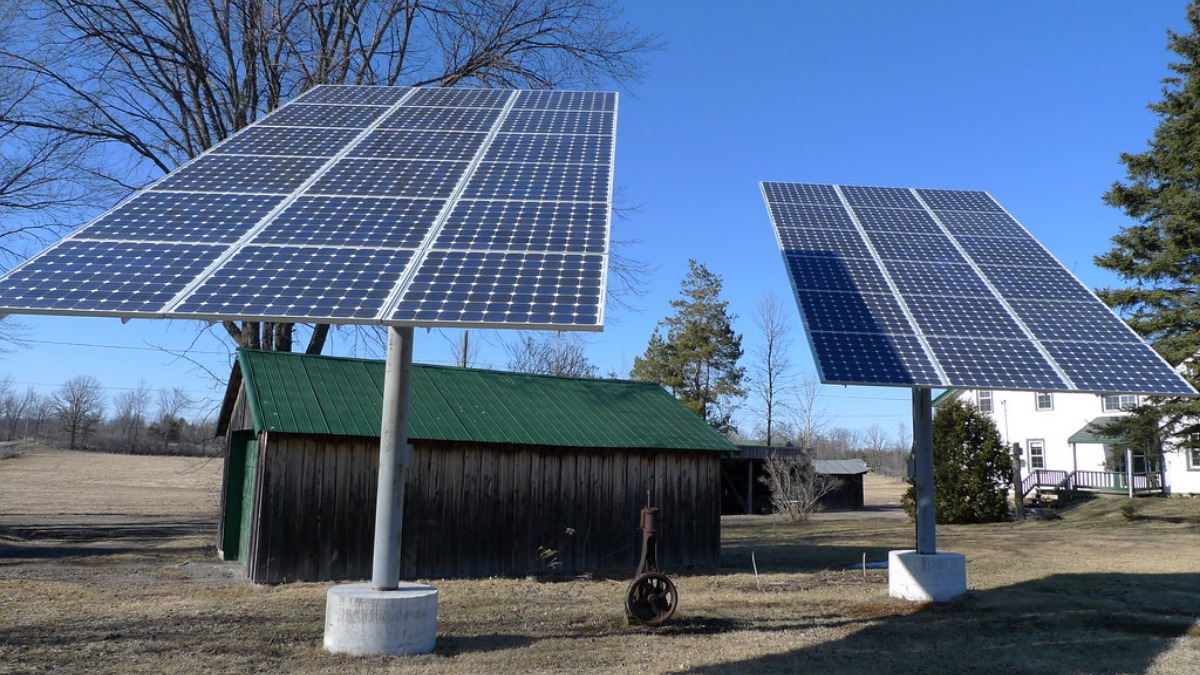

The landscape of American energy policy is undergoing a massive shift, as Democratic-led states have begun rolling back their climate commitments while red states are quietly leading the charge in clean energy deployment. It is a strange reversal of roles that sees traditional climate champions hitting the brakes on ambitious targets, while states that have historically leaned into oil and gas are seeing massive growth in wind and solar infrastructure.
California made a significant move on Friday by scaling back its cap-and-invest program. The state is now offering more than $3bn in free pollution allowances to companies that pollute. This is a major change to a program that was once considered a crown jewel of environmental policy.
Earlier in the same week, New York also weakened its landmark climate law. The state delayed a plan to regulate carbon, moving the timeline from 2024 to 2028, and it reduced its overall emissions-slashing targets. Meanwhile, in Rhode Island, Governor Dan McKee is attempting to roll back aggressive clean-energy programs that were previously held up as models for the rest of the country.
This almost seems like a paradox
These shifts are happening at a time when Donald Trump’s administration is actively withdrawing clean energy incentives and energy savings programs. It is also a period of economic tension, as energy prices spike across the country due to trade disruptions stemming from the US-Israeli war on Iran. Supporters of these rollbacks argue that such measures are necessary to keep electricity costs manageable for residents. However, many climate advocates think this approach is incredibly short-sighted.
Johanna Bozuwa, who serves as the executive director of the Climate and Community Institute, believes this strategy is fundamentally flawed. “Using affordability as a cudgel to weaken climate policy is a major error that will not solve either crisis, ultimately amplifying both,” Bozuwa said. She also noted that “Extreme weather and fossil-fuel dependency directly inflate costs – for food, energy, transportation, housing, and health – across the economy for working people.”
Public sentiment seems to align with the idea that climate action remains a priority. An annual poll from Gallup, published in April, revealed that 44% of American adults worry “a great deal” about global warming. This is one of the highest levels of concern since the poll started in 1989, trailing only 2020 and 2017.
Furthermore, a report from Yale University and George Mason University published in December found that 65% of registered voters in the US believe global heating is actively driving up the cost of living. Bozuwa emphasized that “The polling shows that climate must remain on the political agenda,” adding that “Good climate policies provide immediate relief for families while also driving larger structural green transformation.”
While blue states are pulling back, red states are dominating the renewable energy space. According to data from the Energy Information Administration, states that voted for Donald Trump in the 2024 presidential election accounted for eight of the top 10 states for utility-scale renewable growth in the year leading up to March. Indiana currently holds the top spot for clean energy capacity growth, with Kentucky and Utah following close behind.
Texas stands out as the ultimate powerhouse in this transition. Despite the state’s deep ties to the oil and gas industry and various attempts by the Republican-led legislature to stifle the growth of wind and solar, Texas has become the country’s leading clean energy superpower. The state leads the nation in wind energy production, followed by Iowa, Oklahoma, and Kansas. Even more impressively, Texas overtook California in utility-scale solar production in March. Texas Governor Greg Abbott has boasted that his state is the “energy capital of the world.”
The reality is that Texas has made it easier to build energy infrastructure of all kinds, whether it is dirty or clean, compared to Democratic-run states. This comes even as Donald Trump has attacked efforts to boost renewable energy, including slashing tax incentives for developers and calling clean power “stupid” and a “scam.”
Back in California, critics are worried about the recent changes to the cap-and-invest program. Bahram Fazeli, the Policy Director with Communities for a Better Environment, believes the changes could end up benefiting fossil fuel producers who have been hiking up consumer prices during the war. “There’s no reason to think that giving them more free allowances will actually help motivate them to lower gas prices more,” Fazeli said. He added, “This is the time that we can see who are the real climate leaders who have the courage and imagination to fight for working families and the health of vulnerable frontline communities.”
New York is facing similar skepticism. The state legislature reached a deal with Governor Kathy Hochul to remove a 2030 mandate to cut planet-warming pollution by 40% from 1990 levels. The new plan aims for a 60% reduction by 2040, but only if it is deemed “feasible and cost effective.” Elizabeth Yeampierre, executive director of UpRose, argued that these changes miss the mark on economic opportunity. “We have an alternative to fossil fuels that is not just aspirational, but it is operational and it is going to make it possible for us to be able to address climate change while also incentivizing the local economy,” Yeampierre said.
Maryland is also joining this trend of scaling back. Lawmakers there greenlit a package of measures intended to lower consumer energy costs, which includes shrinking emissions-reduction targets through 2035. While the state’s governor, Wes Moore, is expected to sign the bill, which proponents claim will save households about $150 a year, experts are wary.
Anna Johnson, a senior policy manager at the American Council for an Energy-Efficient Economy, warned that these savings will be short-lived. She estimated that the moves could eventually increase household electricity costs by $592m. Mar Zepeda Salazar of the Climate Justice Alliance summarized the situation by saying, “You can lower costs on paper by weakening protections, but the bill still comes due.”







Published: Jun 4, 2026 06:15 pm