



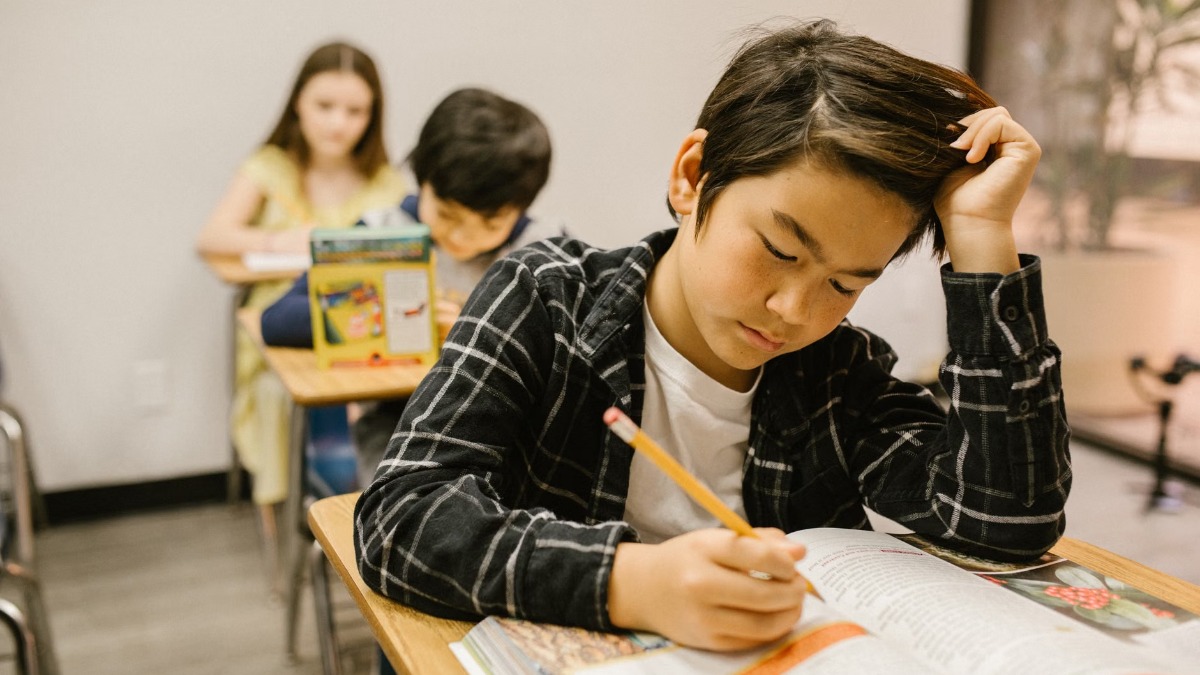

The Texas State Board of Education has officially approved a sweeping statewide reading list that mandates Bible passages for more than 5 million public school students. The decision, finalized during a vote on Friday, was reported by The Guardian, which detailed how the move marks a major shift in how religious texts are integrated into public school curriculum.
The initiative stems from House Bill 1605, passed in 2023 to overhaul how instructional materials are reviewed and approved across the state. That legislation mandated a required reading and vocabulary list for every grade level, and the board’s expansion of that mandate to include the Bible became a focal point of the resulting curriculum. As Texas Scorecard reported, the board’s preliminary approval process drew hours of public debate before the list was finalized.
Under the new guidelines, seventh grade students will be required to read excerpts from the Book of Jonah and the Book of Psalms, while high school students will encounter further passages from the Book of Lamentations and the Book of Genesis. Teachers retain the flexibility to assign additional books outside the state-mandated list, but they are required to teach the selected passages alongside their own material. The rollout begins for elementary students in 2030.
A vote that exposed deep divides over religion in Texas classrooms
Critics of the plan argued that the list exclusively favors Christianity and fails to represent the cultural diversity of a state where more than half of the public school population is Hispanic or Black. Some opponents went as far as to claim that the focus on older works by white male authors undermines a comprehensive understanding of American history.
Religious tension has also surfaced at the local level in Texas in recent weeks, including a disrupted Fort Worth ISD meeting tied to a separate dispute over religion and school policy. That incident reflected the broader friction now playing out around the state’s curriculum decisions.
State Representative Salman Bhojani, a Democrat from Euless, argued that the board’s final list exceeds the scope of what the legislature authorized under House Bill 1605. SBOE Chairman Aaron Kinsey, a Republican from Midland, countered that the original legislation only established minimum requirements, meaning the board’s expansion into a more robust list remains within its statutory authority.
The board spent considerable time debating individual titles, often resulting in narrow, split votes. A proposal to remove the book You Are Special by Max Lucado sparked a clash between board members Pam Little and Keven Ellis, with Little arguing the book could promote bullying and Ellis countering that it would have the opposite effect. The book ultimately remained on the list following a 7-6 vote.
In other instances, the board was more decisive. The titles Noah’s Ark and a Catholic tale of St. George and the Dragon were removed from the list in 9-5 and 9-2 votes, respectively. The Road Not Taken by Robert Frost was initially struck from the list entirely before the board reached a compromise to move it from fourth grade to seventh grade.
Supporters of the new standards emphasize that the list is designed to build rigor and a student’s knowledge of the world, with a specific focus on the United States. The Texas Public Policy Foundation has stated that the list is meant to build a foundation of knowledge connecting students to the broader context of American history.
This development carries weight nationally because Texas educates roughly one in 10 public school students in the United States, meaning its policy decisions often ripple across the country. The state has already drawn attention for other religious measures, including a law requiring Ten Commandments displays in public school classrooms.
The new Bible reading requirements are set to take effect for elementary students in 2030, with implementation expanding into middle and high school grades in the years that follow.




Published: Jun 26, 2026 08:30 pm