



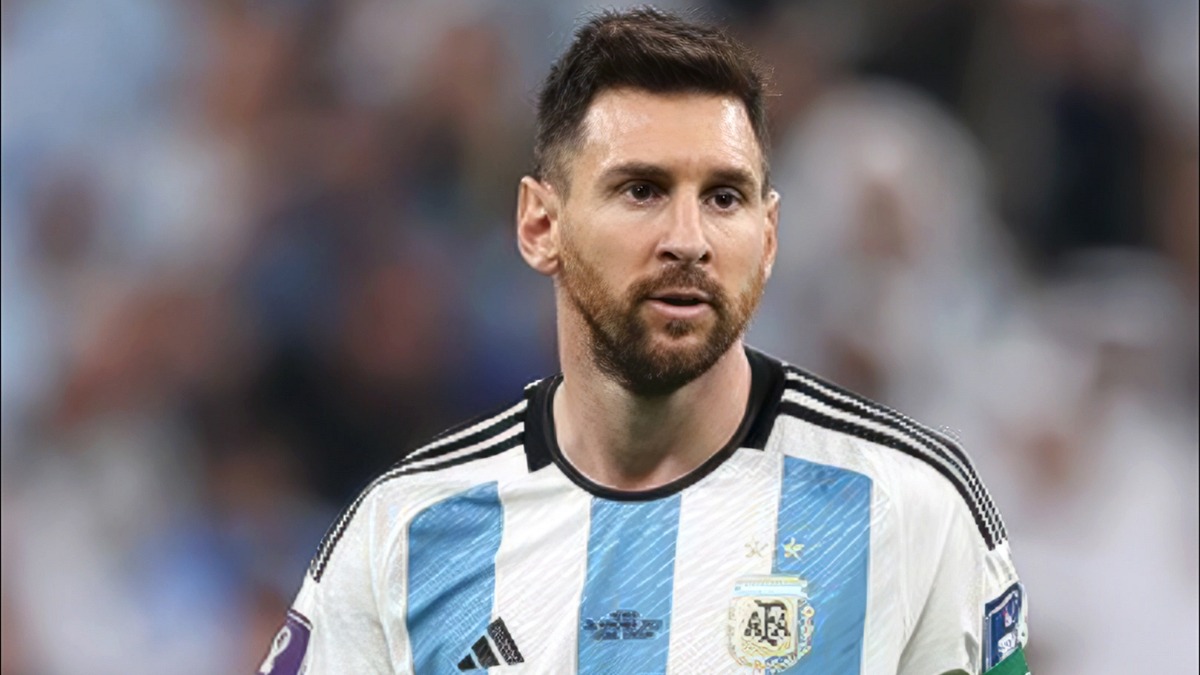

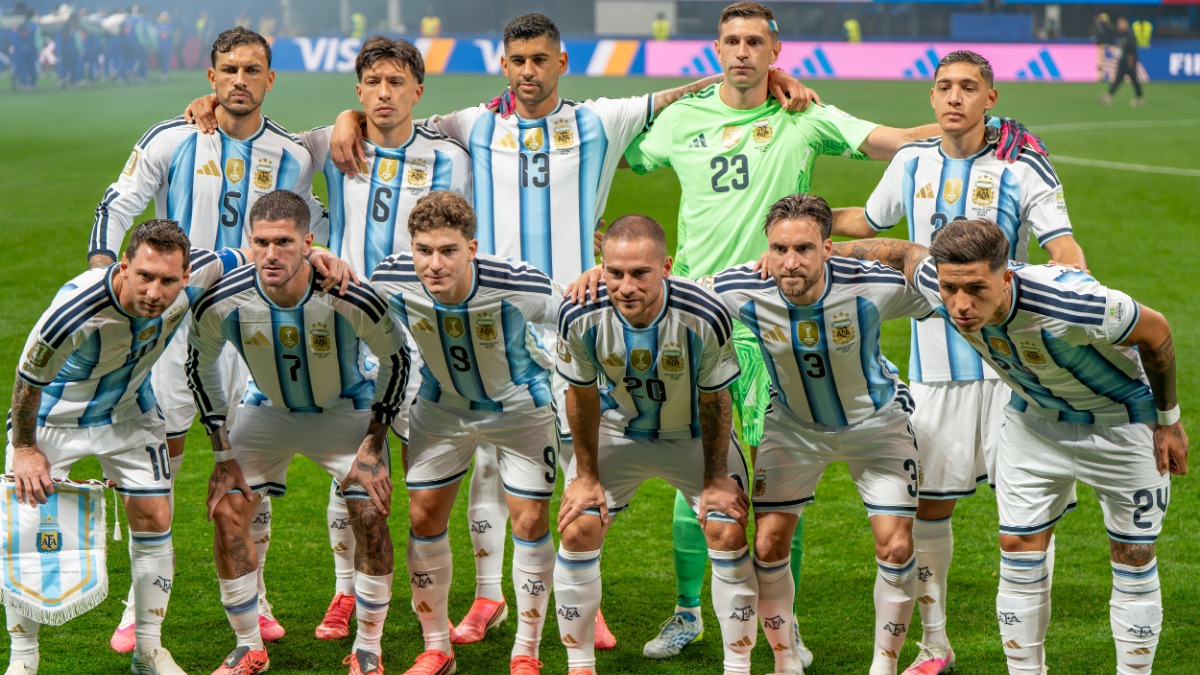
As detailed by the Telegraph, claims that the 2026 World Cup has been fixed in Argentina’s favor have intensified as the defending champions continue their run through the tournament. The controversy peaked following Argentina’s comeback win over Egypt in the last-16 round in Atlanta, where a stoppage-time goal from Enzo Fernandez completed a 3-2 victory. Egypt forward Mostafa Zico alleged the competition had been rigged after an earlier goal of his was ruled out by the video assistant referee, though no evidence has been presented to support the claim.
Of the eight quarterfinalists, Argentina has committed the fourth most fouls while collecting only the second fewest bookings, a gap that has drawn scrutiny from analysts covering the tournament. The team’s fouls-per-card ratio stands at 19.7, a figure bettered only by Norway among the remaining sides.
England, managed by Thomas Tuchel, has the opposite distinction, with the worst fouls-per-card rate at 6.8 and eight total cards. In the group stage, Argentina committed 13 fouls against Algeria without receiving a single card, and it avoided bookings again despite 13 fouls against Jordan, a match in which Jordan received three yellow cards for seven fouls.
Argentina keeps catching breaks from match officials
The pattern traces back to Argentina’s opening match against Algeria, when several observers felt Lionel Messi should have been sent off for a challenge that appeared to catch Aissa Mandi’s leg from behind. Referee Szymon Marciniak did not award a foul on the play, and the video assistant referee determined it did not warrant a red card.
Former Manchester City defender Nedum Onuoha told ESPN he believed the challenge should have resulted in a sending-off, while ex-Venezuela forward Alejandro Moreno called it a clear red card. The incident drew comparisons to the straight red card issued to United States striker Folarin Balogun for a challenge on Tarik Muharemovic, which some viewed as a similar type of foul.
Additional details have added to the discussion around how the tournament has been officiated. When FIFA announced that all five on-field officials for France’s quarterfinal against Morocco would be from Argentina, the news drew a wave of reaction online, with the announcement post surpassing 32 million views. The timing arrived just days after Balogun’s red card reversal drew its own accusations of outside influence on match officials, keeping questions about officiating consistency in the headlines throughout the knockout rounds.
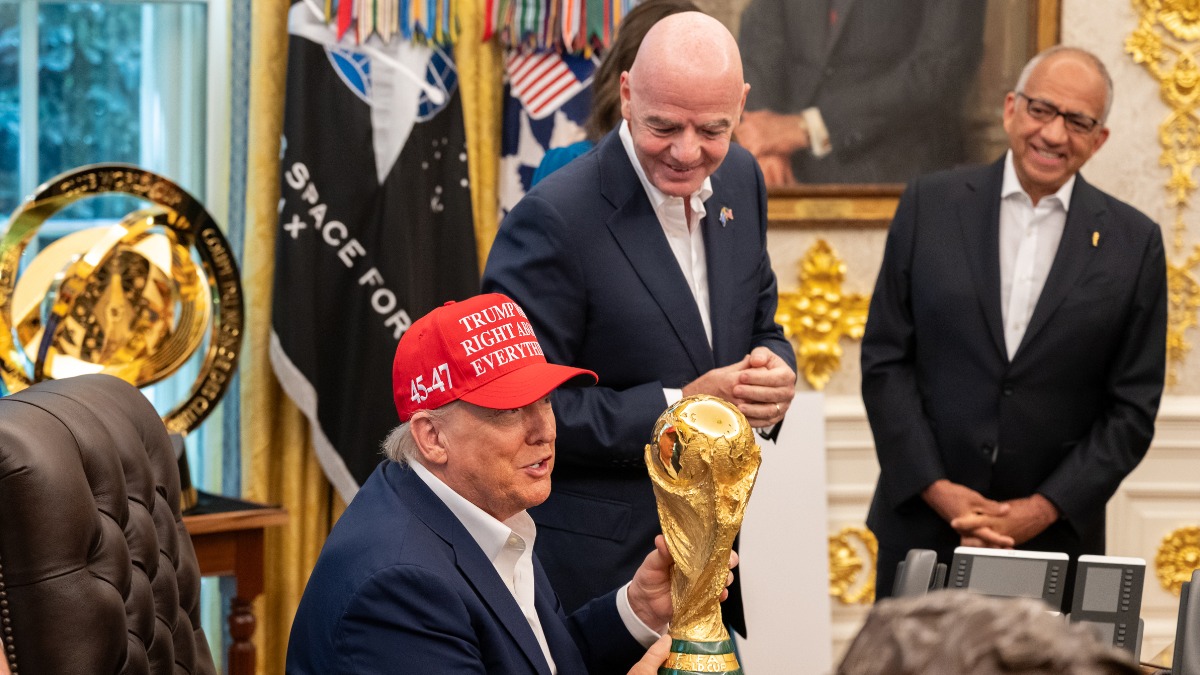
FIFA president Gianni Infantino has also become part of the narrative. He was seen in Argentina’s locker room following the 2022 final, and he recently told Argentine television that he felt tension during Argentina’s narrow win over Cape Verde, while clarifying that he was speaking as a neutral party. The comments followed the missed red card controversy from Argentina’s opener, when video review officials declined to card Messi for the challenge on Mandi.
The tournament’s bracket structure has also faced criticism. According to FIFA’s draw procedures, organizers set up the draw so that defending champions Argentina, along with Euro 2024 winners Spain, England, and France, would be kept apart until the semifinals provided they won their groups. That framework placed Argentina in a group it was heavily favored to top, giving the team a comparatively straightforward path through the round of 32 against Uruguay, Saudi Arabia, or Cape Verde.
The allegations are not new, as similar claims followed Argentina’s title run in 2022. Former Netherlands manager Louis van Gaal said at the September 2023 Eredivisie awards that he believed the tournament had been arranged to ensure Messi became a world champion, telling Dutch outlet NOS that he thought some Argentina players had overstepped the mark without punishment. When asked directly whether Messi had to win, he said he believed so.
Historical claims of favoritism toward Argentina date back to the 1978 World Cup, when the team was accused of collusion after a 6-0 win over Peru that was required to reach the final, an allegation Peruvian senator Genaro Ledesma later said stemmed from a deal between Argentina’s military government and Peru’s government at the time.



Published: Jul 10, 2026 05:00 am