



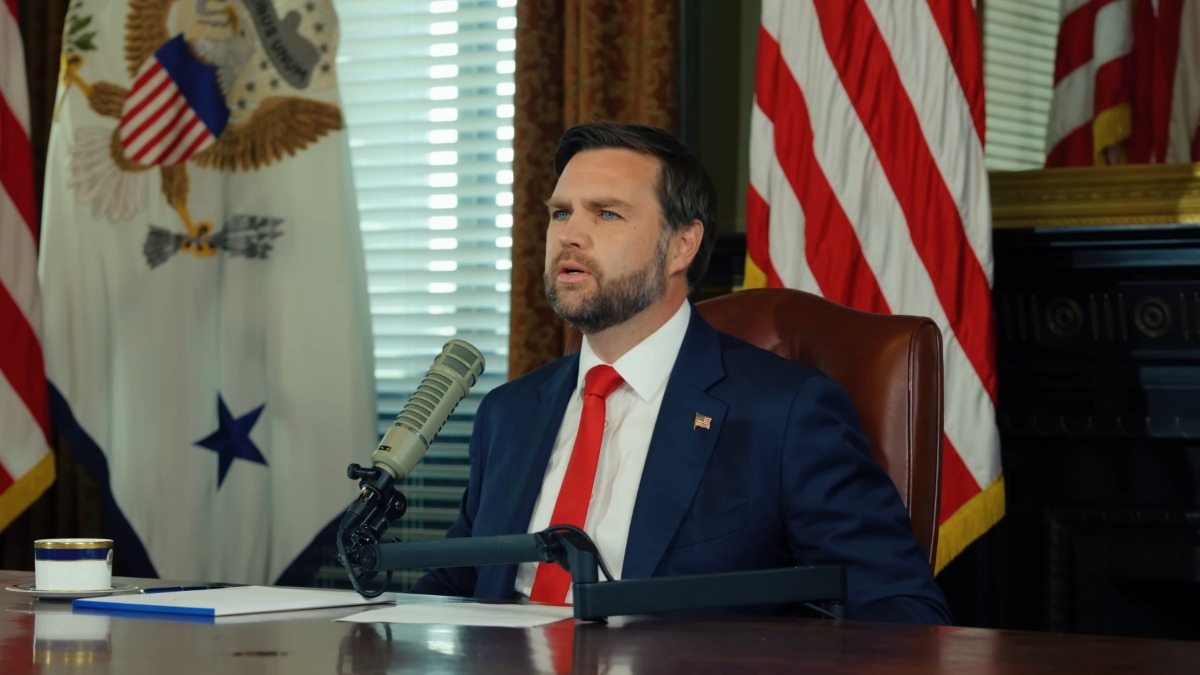

Vice President JD Vance said this week that the Trump administration “screwed up” its communication about the Justice Department’s release of files linked to Jeffrey Epstein. The convicted sex offender died in 2019. During a nearly three-hour conversation with podcast host Joe Rogan, Vance admitted the administration “screwed up” its communication but rejected claims that the confusion was part of an effort to hide information from the public.
The remarks come as questions continue to swirl in Washington over the rollout of the Epstein files. While critics have argued the inconsistent messaging fueled speculation, Vance insisted the problems stemmed from communication failures rather than an attempt to conceal evidence. The Hill reported that Rogan also challenged him on claims that President Donald Trump could be easily influenced by people around him, an idea Vance firmly dismissed.
The discussion also revisited the administration’s handling of the document release and the role of key officials involved. Vance defended the president while addressing speculation surrounding Trump’s past association with Epstein, saying he has never seen credible evidence linking Trump to wrongdoing involving minors. He has also recently addressed criticism over the Trump administration’s handling of foreign policy. Despite previously building his political identity around skepticism of overseas conflicts, he argued that the vice president has limited authority over decisions such as U.S. involvement in Iran.
Rogan clearly wasn’t buying the explanation
Rogan repeatedly pressed Vance on reports that there had been resistance within the administration to releasing the Epstein files. Asked who opposed the effort and why, Vance pointed to former Attorney General Pam Bondi, who had previously claimed an Epstein “client list” was sitting on her desk.
The host questioned why Bondi made that statement, especially since much of the information had already been made public elsewhere. Vance said he did not know her exact reasoning but acknowledged the comment damaged public confidence in the release process. He added that he did not believe there was any malicious intent behind her remarks.
Bondi has faced criticism from lawmakers across the political spectrum over the DOJ’s handling of the documents. The files were released gradually over about a month after a congressional deadline established under the Epstein Files Transparency Act. The rollout drew scrutiny because many documents contained heavy redactions, while others identified victims by name, something critics argued conflicted with the law’s purpose.
Vance also defended Trump’s response, noting that although the president initially opposed a House effort to compel the DOJ to release the files, he ultimately signed the measure into law after it passed both chambers of Congress.
Trump and Epstein had a past relationship before reportedly falling out years ahead of Epstein’s first criminal prosecution. That history has continued to fuel speculation from critics who believe the files could contain damaging information about the president. Vance dismissed those claims, saying he has never encountered credible evidence suggesting Trump engaged in misconduct involving minors.
The controversy has also reached Capitol Hill. The House Oversight and Government Reform Committee previously sought to question Bondi about the document release, and a transcript released last month showed she declined to answer several questions, instead directing attention to acting Attorney General Todd Blanche.
Earlier, Vance also pushed back against broader criticism of Trump’s place within Washington’s political establishment. In a separate interview, he argued that despite Trump’s ties to influential figures over the years, he remains outside what Vance described as America’s entrenched elite social circle.








Published: Jul 16, 2026 06:45 pm