



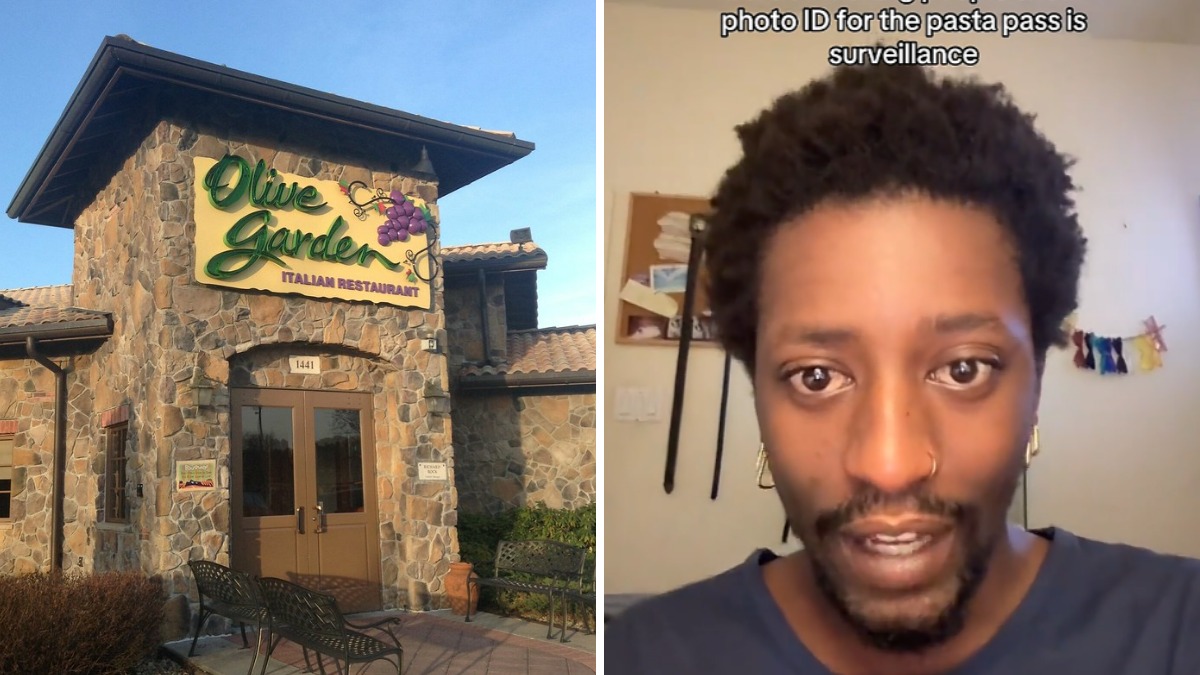

Olive Garden is once again finding itself at the center of a debate over its famous Never-Ending Pasta Pass, specifically regarding the requirement that customers present a photo ID to redeem the deal. As reported by BroBible, while many diners are just looking for a simple meal, the policy has sparked a heated conversation about privacy and corporate surveillance. The issue gained significant attention after TikToker John Ridgeway posted a video criticizing the restaurant for enforcing this verification process.
The Never-Ending Pasta Pass has been a staple of the Olive Garden experience since 2014, often drawing in competitive eaters and dedicated fans of unlimited carbohydrates. In July, the restaurant announced the return of the promotion after a six-year hiatus, offering 10,000 customers the chance to purchase a pass for $100.
This pass grants the holder 13 weeks of unlimited soup, salad, breadsticks, and pasta. However, the fine print requires that the name on the pass must match the name on the customer’s photo ID. A similar backlash unfolded when an Olive Garden employee claimed she was fired after the company delayed paying out a $700 tip, citing an internal fraud-prevention policy.
Why the TikToker thinks this is all overkill
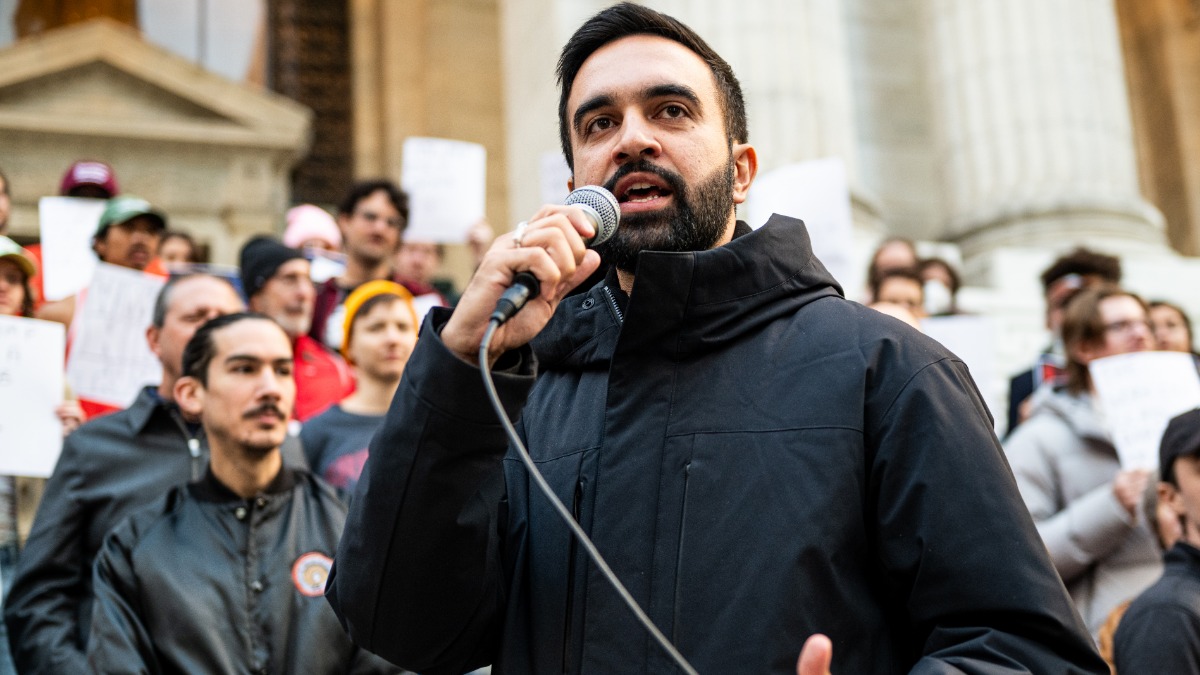
John Ridgeway expressed his frustration with this rule in a viral video, arguing that the policy feels like unnecessary surveillance. Ridgeway began the video by saying, “The problem with Olive Garden making people show photo ID for the Pasta Pass is surveillance. Like, that’s the main issue I have with this whole situation.” He believes that the restaurant could easily modernize its system to avoid this friction.
Instead of manual ID checks, he suggests that Olive Garden should implement a dedicated section in its app where users can manage their passes. Ridgeway argued that an app-based system would allow customers to report lost or stolen cards, which would eliminate the need for employees to act as gatekeepers for a food promotion. He compared the current process to the way people handle gift cards, noting that it feels excessive to require identification for a prepaid dining experience.
“Like I feel like that’s the situation that needs to occur,” he adds. “Because it really makes me feel like its a similar situation to basically someone buying a gift card, and literally it’s their gift card. … And it’s already paid for and the money is already on the gift card, and then the person who was given the gift card gives the gift card to someone else so that someone else can use the gift card or have it, but then when that person who just received the gift card goes to use it, they have to show a photo ID to prove that they’re the owner of the gift card.”
For Ridgeway, the entire ordeal feels like a form of policing that goes beyond what is necessary for a restaurant. “Like, I feel like that’s the whole thing; it’s like policing that people are eating and like the surveillance of who’s eating and who’s using this and, like, it’s really weird to me,” the TikToker continues. He pointed out that while checking IDs for alcohol is a standard legal requirement, applying the same logic to a pasta promotion feels like an overreach.
The conversation has reached beyond social media, even entering the halls of government. House Majority Leader Steve Scalise recently referenced the Olive Garden policy during a discussion about the Save America Act. This GOP-backed bill, which narrowly cleared the House in February, aims to require new voters to show proof of citizenship when registering.
In an interview with CNBC, Scalise argued that if an establishment like Olive Garden can require an ID for pasta, the same standard should apply to the democratic process. He stated, “When you think about something like Save America, which is at the heart of democracy, just saying show picture ID to vote. For God’s sake, you can’t go get pasta at Olive Garden without a picture ID. Why not be able to show a picture ID to vote?”
The Save America Act faces significant hurdles in the Senate, with Democrats and leaders like Chuck Schumer opposing it as a form of voter suppression.




Published: Aug 11, 2026 04:00 pm