



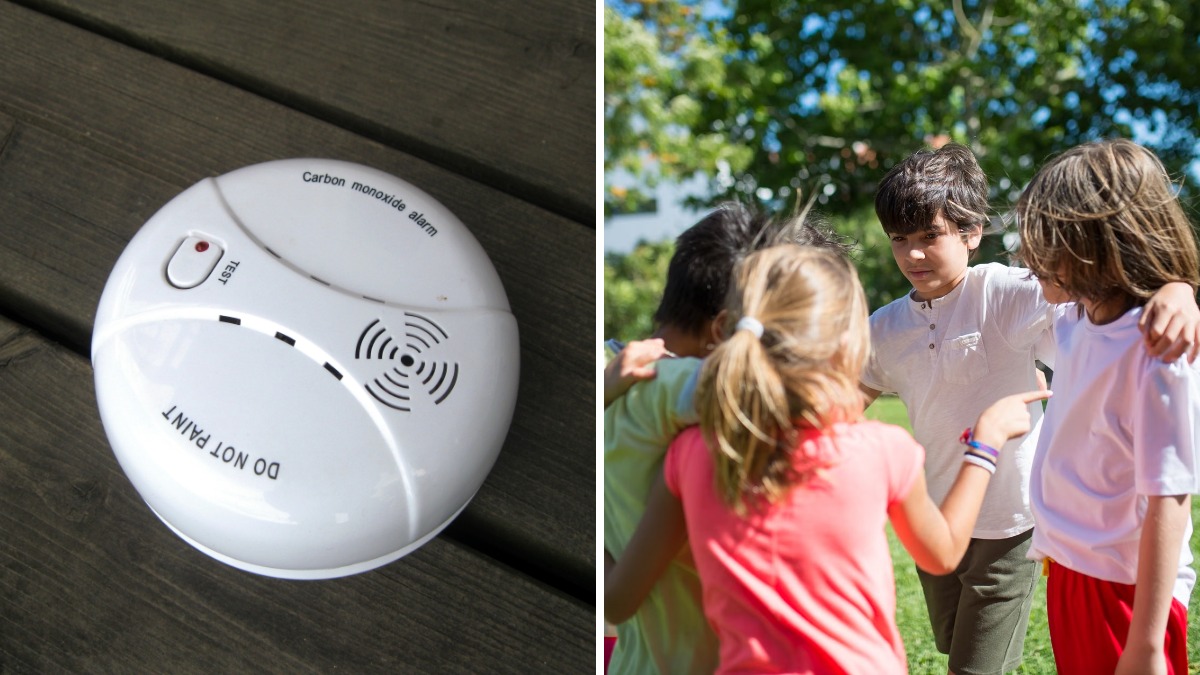

A foster mother in New York recently faced a difficult situation when her carbon monoxide alarm triggered while she was cooking dinner, followed by what she describes as a dismissive response from her landlord. As reported by The Nerd Stash, which cited a Reddit post from the tenant under the username SarcasticSeaStar, the incident has drawn attention online amid a broader conversation about tenants’ legal protections versus their actual experiences with landlords. The landlord has not publicly responded to the tenant’s account.
The situation unfolded when the alarm began to sound during a standard cooking session. Recognizing the severity of a potential carbon monoxide leak, the mother immediately prioritized the safety of her foster children. She moved everyone out of the apartment and contacted 911. According to the tenant’s account, the fire department confirmed the alarm was functioning as intended and identified the stove as the source of the gas.
The firefighters unplugged the appliance and advised the tenant to have a professional technician inspect the unit. When the tenant reached out to her landlord to report the emergency and the fire department’s findings, she expected a prompt resolution. Instead, according to the tenant, the landlord, who was away on vacation, expressed annoyance that she had involved emergency services. She wrote that he told her, “It was my choice to call 911 and I could have just stopped cooking and waited to see what happened…”
What the law actually says about a landlord’s response
The landlord essentially asked her to simply avoid using the stove until he returned from his trip. This request ignores the reality of living in a rental unit where cooking is a daily necessity. The tenant also revealed, in her account of the situation, that this was not the first issue with the stove, noting, “I’ll add, one of the burners on the gas stove hasn’t been functional since we moved in.
The landlord provided me with a lighter rather than fixing it.” A similar dispute over a landlord’s control versus a tenant’s safety played out when a renter found her landlord had locked the AC thermostat inside a box, leaving tenants unable to control conditions the law requires landlords to maintain.
From a legal standpoint, New York law addresses situations like this. The warranty of habitability, found in New York Real Property Law Section 235-b, dictates that every lease includes an implied promise that the home is fit for human habitation and that the landlord will keep essential services in working order. Furthermore, New York Multiple Dwelling Law Section 15 mandates that functioning carbon monoxide and smoke detectors must be present in all units with a source of carbon monoxide.
Based on the tenant’s account, the alarm worked as the law intended. Under New York City housing regulations, issues classified as emergencies are generally required to be addressed within 24 hours, and a carbon monoxide leak would typically qualify as such an emergency, meaning a landlord would ordinarily be expected to act quickly rather than ask a tenant to wait.
When a landlord refuses to perform necessary repairs or ignores a hazard, the standard advice is to notify them in writing to create a paper trail. If they still fail to act, tenants can file a formal complaint with the local housing department, such as the NYC HPD Housing Code Complaint system.





Published: Aug 13, 2026 06:30 pm