



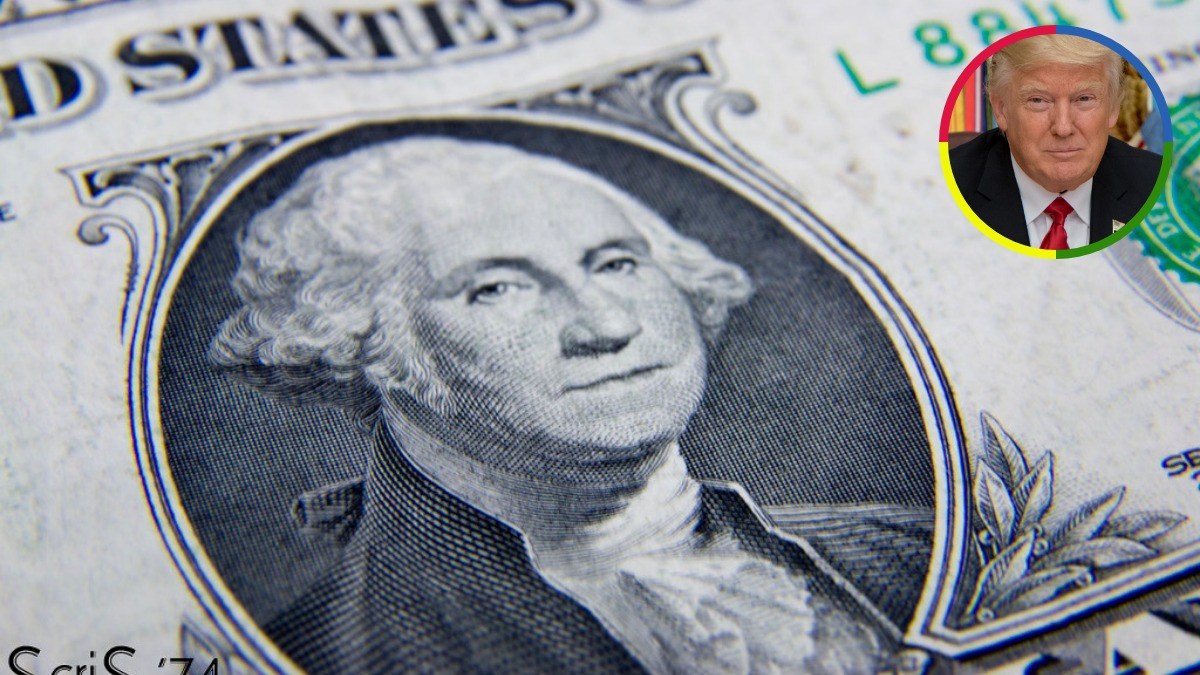

The U.S. Mint began selling and circulating golden $1 coins featuring President Donald Trump’s portrait on Wednesday, part of a broader effort to commemorate the 250th anniversary of the signing of the Declaration of Independence. Per ABC, the coins are officially in circulation now, making Trump only the second living president in U.S. history to appear on American currency.
The design puts Trump’s portrait, along with the words “Liberty” and “In God We Trust” and the dates “1776 ~ 2026,” on the front of the coin. The reverse side carries the presidential seal, with the number 250 worked into the shield. U.S. Mint Chief Engraver Joseph Menna designed the portrait, basing it on an official White House photo taken by Daniel Torok.
Whether this was even legal took some sorting out before the coin got here. The Circulating Collectible Coin Redesign Act of 2020 explicitly bars a living person’s portrait from appearing on the reverse of these anniversary coins, but it doesn’t say anything about the front. Trump’s face landing on the obverse side is what makes the design legal, and both the Treasury Department and the Mint have said their reviews confirmed the coin follows the law.
This isn’t the first time a sitting president has pulled this off, but it’s close
For historical context, the only other time a living president appeared on circulating U.S. currency was in 1926, when the Mint struck a half-dollar for the nation’s 150th anniversary featuring both George Washington and then-President Calvin Coolidge. That coin didn’t exactly fly off shelves either, with roughly 860,000 of the one million produced eventually returned and melted down due to low demand.
There’s also a batch of these Trump coins with a little extra rarity built in. The Mint struck 250,000 of them on July 4 with a special privy mark, and those have been randomly mixed into the rolls and bags being sold through the Mint’s website, giving collectors a specific version to hunt for.
Despite the gold-colored finish, the coins are made of manganese brass rather than real gold, and the Mint has been upfront that they’re legal tender that can be used for everyday purchases, not just something to keep sealed away. That said, buying directly from the Mint costs more than face value, with a roll of 25 coins going for $61 and a bag of 100 priced at $154.50, working out to a markup of roughly 50 to 150 percent over what the coins are actually worth.
Treasury Secretary Scott Bessent first unveiled a rendering of the coin back in July, framing it as part of the broader Semiquincentennial celebration that also includes redesigned dimes, quarters, and half dollars this year. Whether the coin ends up as a genuine collector favorite or follows the fate of the 1926 half dollar probably depends on how many people actually go looking for one instead of just waiting to find one in their change.








Published: Sep 3, 2026 04:00 pm