



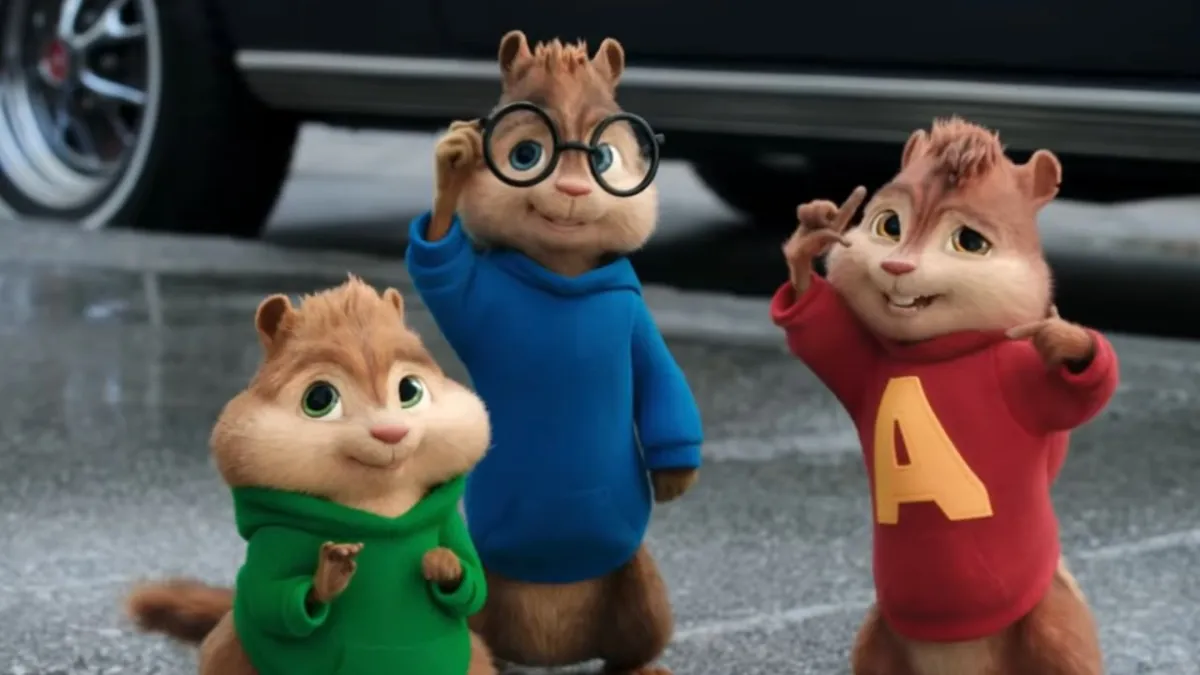
The Alvin and the Chipmunks franchise is a multi-generational media empire that spans over six decades, evolving from 1950s novelty recordings into a billion dollar cinematic powerhouse. To fully appreciate the transition from hand-drawn 1980s adventures to the photorealistic CGI of the modern era, viewers must navigate two distinct continuity timelines and a wealth of technical production secrets. This comprehensive guide details the ideal viewing sequence while integrating rare production trivia, geospatial landmarks, and the specific audio engineering that defines the property.
The Genesis of the Chipmunk Sound: 1958 and the Bagdasarian Effect
The franchise began in 1958 when Ross Bagdasarian Sr., under the pseudonym David Seville, utilized a variable speed tape recorder to create the distinctive high pitched vocals. This technique, known as the Bagdasarian Effect, involved recording vocals at 3.75 inches per second (ips) and playing them back at 7.5 ips. This effectively doubled the frequency and halved the playback time, a breakthrough that earned two Grammy Awards for engineering. The characters were named after Liberty Records executives: Alvin Bennett, Simon Waronker, and Theodore Keep. The Chipmunks offer a deeper dive into the history of audio technology and character branding.
The Secret Math Behind the Voices
Modern films have moved beyond tape manipulation to use Digital Signal Processing (DSP). Specifically, production teams utilize a Short Time Fourier Transform (STFT) to raise pitch without altering the temporal duration of the performance. This process avoids the robotic artifacts found in simple pitch scaling by preserving formants, the resonant frequencies of the human throat. The mathematical foundation for this transformation is:
X(m, omega) = sum x[n]w[n – mH]e^(-jomegan)
In theatrical releases, the voices are typically shifted up by exactly 12 semitones, or one full octave. This shift is calculated via a logarithmic formula where n is the semitone shift and k is the pitch factor:
n = 12 * log2(k)
Modern Live Action Theatrical Era: 2007 to 2015
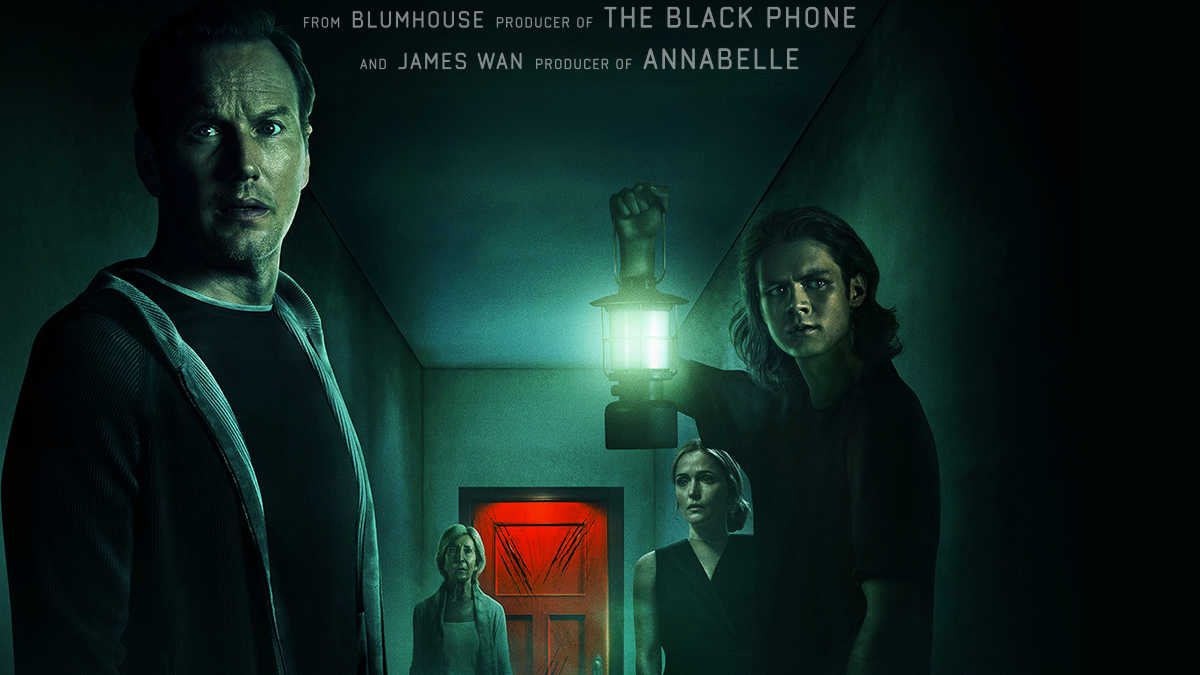
This era re-established the Chipmunks for a new generation, focusing on high stakes music industry satire and advanced CGI integration. Fans who enjoy tracking long running cinematic universes, such as the watch the Insidious movies in order guide, will appreciate the technical growth across these four films.
Theatrical performance data illustrates the financial trajectory of the franchise over nearly a decade of blockbuster releases.
| Production Title | Release Date | Budget | Worldwide Box Office | Critical Reception (RT) |
|---|---|---|---|---|
| Alvin and the Chipmunks | Dec 14, 2007 | $60,000,000 | $365,352,546 | 27% |
| The Squeakquel | Dec 23, 2009 | $75,000,000 | $443,140,005 | 21% |
| Chipwrecked | Dec 16, 2011 | $75,000,000 | $342,695,435 | 12% |
| The Road Chip | Dec 18, 2015 | $90,000,000 | $234,798,636 | 16% |
The 2007 reboot introduced Jason Lee as Dave Seville and featured Justin Long as the voice of Alvin. In Chipwrecked, the animation team at Rhythm & Hues was required to completely re-rig all six characters to provide the increased emotional range needed for the island survival plot.
The 1980s Animated Classics and Direct to Video Gems
For a complete experience, viewers must venture into the traditional animation era. These films are often cited for their inventive plots and higher fan ratings. Understanding the animated era explains the foundational personalities of characters like the Chipettes.
- The Chipmunk Adventure (1987): This remains the only hand drawn theatrical release and features a hot air balloon race that serves as a cover for a diamond smuggling ring.
- Alvin and the Chipmunks Meet Frankenstein (1999): A horror themed crossover where the trio encounters Dr. Victor Frankenstein at a Majestic Movie Studios theme park.
- Alvin and the Chipmunks Meet the Wolfman (2000): Frequently cited as the best of the animated films, this entry explores Alvin’s obsession with horror movies.
- Little Alvin and the Mini-Munks (2003): This unique entry utilizes puppets instead of animation and targets a preschool audience.
Narrative Continuity: The Shift from Triplet Origins to Wild Beginnings
The 1980s continuity establishes the boys as triplets born five minutes apart. Their backstory involves being abandoned by their mother, Vinnie, during a record breaking cold winter to ensure their survival with Dave Seville. In this universe, the characters stand approximately three feet tall.
The 2007 live action reboot changed this origin, depicting the Chipmunks as wild animals living in a tree that is harvested for a record company lobby. They are scaled down to between 8 and 13 inches to maintain biological realism, though Theodore remains the shortest at 40 centimeters (approximately 15 inches).
Production Secrets: The Rhythm & Hues VFX Pipeline
The visual realization of the characters in the 2000s utilized a proprietary software pipeline at Rhythm & Hues Studios. To achieve the touchable quality of the fur, artists used a dual pelt strategy: a dark under pelt combined with a light outer pelt to simulate realistic light scattering.
Technical software tools used during production ensured the seamless integration of digital assets into live action environments.
| Software Name | Primary Function | Specific Application in Franchise |
|---|---|---|
| Voodoo | Rigging and Grooming | Handling millions of individual hairs for character fur. |
| Icy | Compositing | Integrating CGI characters into real world footage. |
| Rampage | Environment Projection | Creating 3D matte paintings for large scale sets. |
| Houdini | Particle Dynamics | Managing fluid and volcano effects in Chipwrecked. |
Hollywood History: Real World Locations of the Seville House
The Seville residence is not a mere soundstage creation. Exterior shots were filmed at the St. Andrews Bungalow Court, located at 1514 North St. Andrews Place in Hollywood. These buildings were constructed in 1919 and are currently listed on the National Register of Historic Places. The year 1919 holds additional significance as it was the birth year of creator Ross Bagdasarian Sr.
While the interiors were built at Sunset Gower Studios, the set included artifacts from the creator’s real life, such as his upright piano and personal floral paintings. The address number featured on the set, 1958, is a direct nod to the year the Chipmunks debuted. The 2007 finale was filmed at the historic Orpheum Theatre on Broadway in Los Angeles, grounding the talking animal premise in a credible urban reality.
Universal Horror Era and the Lost Meet Dracula Film
Between 1999 and 2000, Universal Cartoon Studios produced a trilogy of horror themed films animated by Tama Productions in Tokyo. Meet the Wolfman is particularly notable for featuring Theodore’s transformation into a sarcastic, rude werewolf after being bitten by Lawrence Talbot.
A third film, Alvin and the Chipmunks Meet Dracula, was fully scripted and entered pre-production in 2001. It was intended to feature Simon undergoing a vampire transformation to complete the monster cycle for the trio. However, the film was permanently cancelled due to a high profile breach of contract lawsuit filed by Ross Bagdasarian Jr. and Janice Karman against Universal Pictures. The estate won the lawsuit, resulting in Universal losing the rights to the characters. This legal victory is the primary reason the puppet based Little Alvin and the Mini-Munks was produced in 2003 as an independent project.
Definitive Release Chronology and Technical Stats
The franchise continues to maintain relevance through consistent media output and technical innovation. Fans can follow the progression of the series by tracking the release dates and specific production milestones.
Historical release data provides a snapshot of the franchise’s evolution across various formats and decades.
| Year | Format | Title | Key Production Milestone |
|---|---|---|---|
| 1981 | TV Special | A Chipmunk Christmas | Directed by Phil Monroe with sketches by Chuck Jones. |
| 1983 | TV Series | Alvin and the Chipmunks | First appearance of the Chipettes (Brittany, Jeanette, Eleanor). |
| 1987 | Film | The Chipmunk Adventure | Hired Disney animators laid off from The Black Cauldron. |
| 1999 | DTV | Meet Frankenstein | First direct to video entry using the 80s designs. |
| 2000 | DTV | Meet the Wolfman | Final traditionally animated production of the franchise. |
| 2003 | DTV | Little Alvin | Puppetry used due to the Universal legal victory. |
| 2007 | Film | Alvin and the Chipmunks | First live action hybrid, utilized Icy and Voodoo software. |
| 2009 | Film | The Squeakquel | Highest grossing entry in the entire franchise history. |
| 2011 | Film | Chipwrecked | Intensified fluid and particle effects using Houdini. |
| 2015 | Film | The Road Chip | Highest production budget at $90 million. |
The technical legacy of the Alvin and the Chipmunks franchise is as impressive as its commercial success. By combining historic Hollywood architecture with cutting edge digital signal processing and visual effects, the series has secured its place as a permanent fixture in the entertainment landscape.





Published: Apr 22, 2026 03:15 pm