



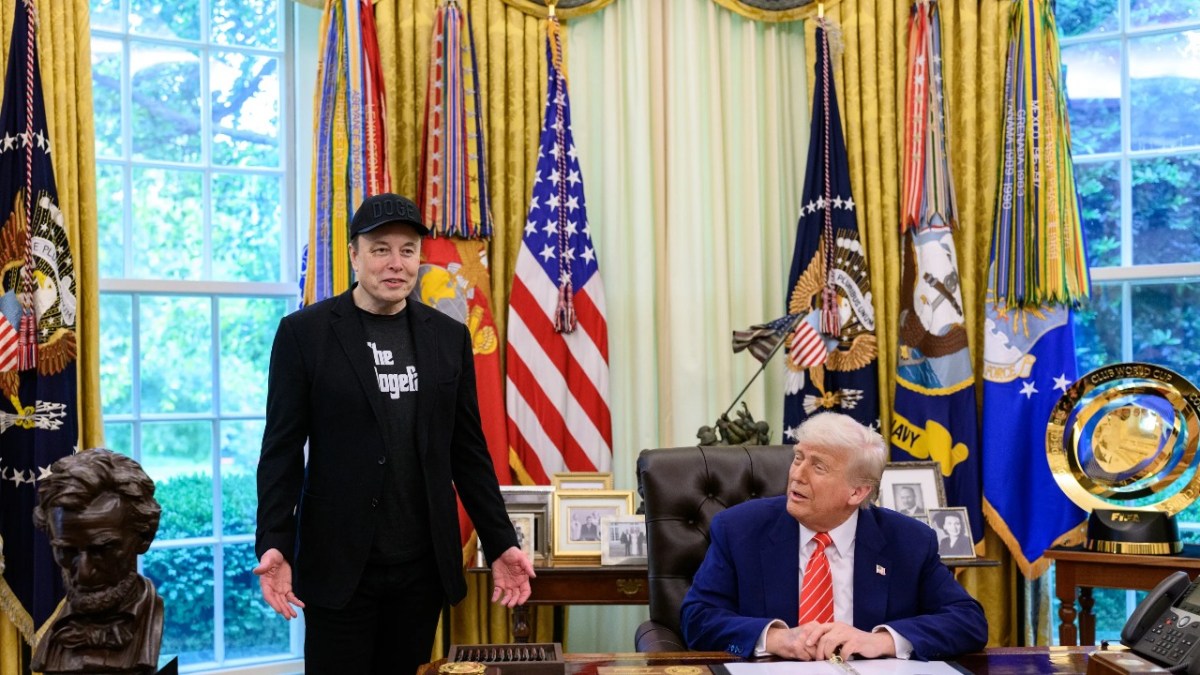

A congressional watchdog estimated that the Trump administration spent $9.5 billion in 2025 paying federal employees who were not working. The Government Accountability Office tied that cost to the Department of Government Efficiency’s drive to reduce the size of the federal workforce. The office said paid administrative leave jumped 435 percent in the first year of President Trump’s second term.
According to The New York Times, the GAO said that the increase was six times higher than the level recorded in 2023. The report was released on Tuesday. Cutting the federal workforce was part of a broader effort to reduce government spending that began with a promise of $1 trillion in savings.
The administration has said those efforts produced $200 billion in savings, a total that outside experts have not independently confirmed. The federal deficit has increased since Mr. Trump returned to office, in part because of the war in Iran and the sweeping tax cuts that Republicans enacted in 2025. Treasury Secretary Scott Bessent told a congressional hearing on Tuesday that a government initiative to cut spending “is coming.”
Most of the paid-leave total was tied to deferred resignations
Civilian pay and benefits make up only a small share of the overall federal budget. Even so, they were among the first areas the Trump administration targeted for cuts.
In January 2025, the administration sent an email to about two million federal workers under the subject line “Fork in the Road.” Officials presented the message as a one-time offer to keep paying workers through September 2025 if they resigned within nine days. The email also warned that those workers were likely to be fired later as the administration moved to shrink the government.
Office of Personnel Management data show the federal civilian workforce has shrunk by about 12 percent since Mr. Trump returned to office through resignations, firings, and new hires. The accountability office found that the personnel agency has not been able to identify the long-term savings. The Office of Personnel Management did not respond to a request for comment.
The watchdog said about $6.7 billion of the $9.5 billion in paid administrative leave was linked to the deferred resignation program. Agencies kept making similar offers at other times in 2025. Federal data show 139,963 employees accepted the deferred resignation offer. Civilian workers at the Agriculture, Defense, and Treasury Departments accounted for the largest share of those resignations.
Critics have said the administration lost years of experience that Americans who rely on federal programs needed. This raises questions about the accuracy of the administration’s claimed savings, as a government review found that much of the Doge Wall of Receipts‘ listed billions cannot be confirmed.
“Trump spent billions to push out experienced and badly needed experts across government this was the most expensive way imaginable to make government worse,” Senator Patty Murray of Washington, the top Democrat on the Appropriations Committee, said in a statement on Tuesday.
Some agencies later withdrew deferred resignation offers or hired replacements after rushing to meet downsizing targets. The Partnership for Public Service, which advocates a more effective federal workforce, found that the government has backfilled more than 20,000 jobs left empty by those resignations.
After the departures in 2025, the government began recruiting again, including for lawyers and tech workers. Officials have also put more focus on hiring early-career employees.
“What I really want to see is more people like Big Balls,” Scott Kupor, the director of the personnel office, said Monday in an interview with right-wing podcaster Benny Johnson. Mr. Kupor was referring to the online nickname of Edward Coristine, a DOGE employee hired at 19 last year to help cut the federal bureaucracy.
“We need people who are patriotic, who say: ‘I care about this country. I’m willing to do something good,’” Mr. Kupor said. He argued that young workers like Mr. Coristine could serve for a few years rather than spend an entire career in government. Mr. Coristine now works in a new White House office that focuses on improving the design of government websites.



Published: Sep 16, 2026 03:30 pm