


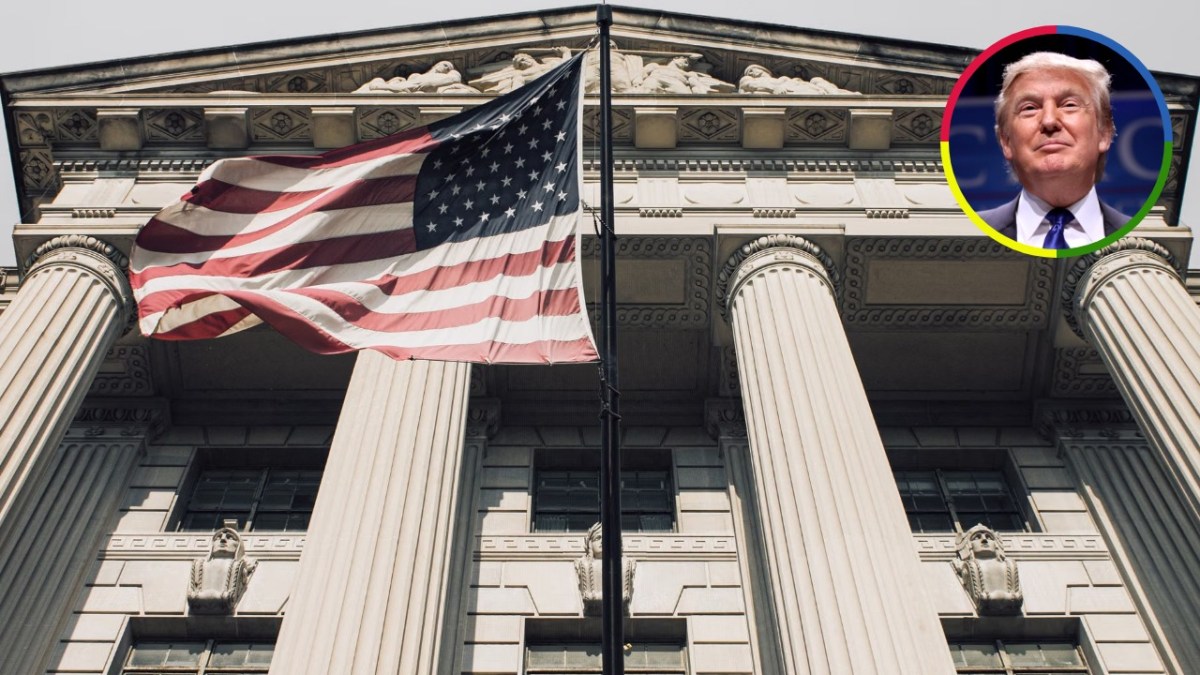

A federal judge wrapped up a hearing on roughly 20,000 disputed ballots in California by telling the Justice Department to immediately stop threatening state officials. As reported by ABC News, U.S. District Judge David O. Carter said in court on Tuesday that he plans to appoint a special master to look into how the DOJ compiled its list of alleged non-citizens. The move is a setback for the Trump administration’s attempt to quickly intervene in the election.
Carter did not issue a ruling on the DOJ’s request for a temporary restraining order against California by the end of the hearing. However, he appeared skeptical of the department’s late-stage effort to force what he called a “monumental change” in how California is running its election. He said he expects to issue a ruling by Wednesday that will guide how the case moves forward.
The Justice Department’s lawsuit asks California to set aside roughly 20,000 ballots from individuals it claims are “likely” non-citizens. Bill Essayli, a controversial Trump-installed leader of the U.S. Attorney’s Office for the Central District of California, argued that the administration was simply trying to make sure the state follows federal law, which bans non-citizens from voting.
The judge’s sign-off was short and pointed
State officials and other legal advocates opposing the lawsuit argue that it violates long-standing Constitutional principles giving states control over their own elections. They also warn it could create chaotic problems for California when it comes to counting the final votes in the coming weeks.
One of the most notable moments came when Carter appeared to admonish the administration over recent letters it sent to state officials across California. The letters allegedly suggested that officials could face prosecution if they were involved in counting ballots that might be from the list of alleged non-citizens.
“This court believes it would be wise that any threats to state and county elected employees cease immediately,” Carter said. He then added, “Good night.”
The case began earlier this month when the DOJ sued California, accusing the state of failing to review its list of alleged non-citizens who it claimed were sent mail-in ballots for next week’s midterm election. Trump has separately encouraged voting by mail ahead of the same election despite his past criticism of the practice.
On Monday, the day before the hearing, a federal appeals court rejected a DOJ request for an order requiring California to set aside the 20,000 ballots. The decision sent the case back to the district court.
In court papers filed last week, Los Angeles officials said a preliminary analysis of 200 names from the 20,000-person list showed a “high percentage” of individuals who say they were born in the U.S. Many more of those names had no voting history at all.


Published: Oct 28, 2026 05:00 am