


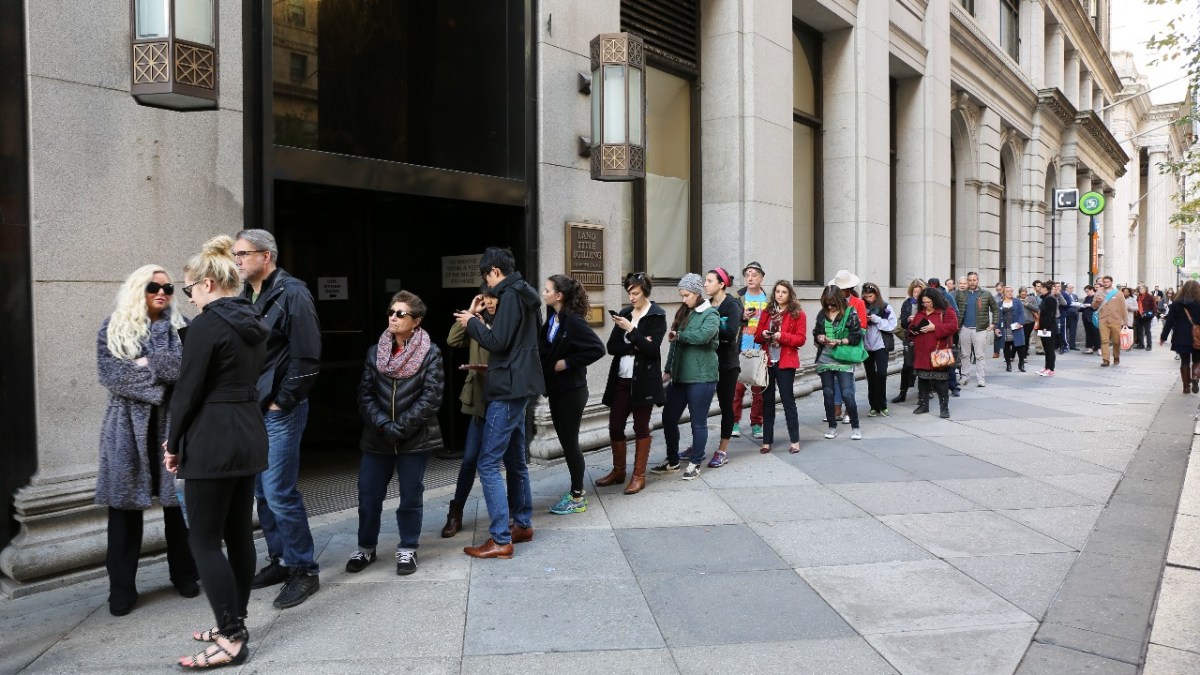

The Supreme Court on Monday turned down the Trump administration’s emergency request that California election officials pull aside and hold ballots from roughly 20,000 people the Justice Department identified as non-citizens, according to The Guardian. The justices sided with state officials who had already refused the demand in lower courts.
The high court offered no written opinion explaining its decision, which is standard for emergency cases. None of the justices publicly disagreed with the outcome.
California and the Justice Department have been locked in a legal dispute for several weeks. The department said it had found about 20,000 non-citizens on the state’s voter rolls and sent a USB drive containing the names to election offices in Los Angeles and Sacramento in mid-October.
State officials and lower courts blocked the effort before the Supreme Court weighed in
Election officials were given 48 hours to examine the list. The Justice Department warned it would file a lawsuit if ballots linked to those names were not sequestered until the individuals could confirm their citizenship status. California’s election offices declined to segregate the ballots, prompting a series of court filings.
State leaders and voting-rights organizations immediately challenged the list. They asked how it had been compiled and said the Justice Department would not release its underlying data or methods. Reviews by local election staff turned up multiple indications that many of the entries were inaccurate.
Dean Logan, Los Angeles County clerk and recorder, said in a statement after the drive arrived: “The Department of Justice has not provided the underlying evidence, source, or methodology supporting its assertions that individuals identified in its records are ineligible to vote.”
Governor Gavin Newsom responded to the Supreme Court ruling by saying: “After repeatedly losing in the lower courts, the highest court in the land firmly slapped down the Trump DoJ’s baseless attack on California’s electoral process – not even entertaining it.”
State Attorney General Rob Bonta added: “This latest decision should put an end to the administration’s attempt to disrupt California’s elections through emergency court orders. But our work is not over.”
Separately, the Justice Department had warned that it could prosecute California election officials who counted ballots from people on the list. That threat drew sharp criticism. A federal judge on Friday barred the department from continuing those warnings. The Justice Department did not reply to a request for comment on the Supreme Court decision.
U.S. District Judge David Carter, nominated to the bench by President Bill Clinton, rejected the administration’s request on October 28. In his ruling, he wrote: “Never before in American history has the federal government, on the eve of an election, sought to coerce a state and local government to abandon their own Constitutional elections procedures and bend to the will of the Executive Branch.”
The U.S. Court of Appeals for the Ninth Circuit also denied the request over the weekend. Courts have also pushed back elsewhere, as a federal judge blocked Trump’s mail-in voting rule for the third time.
While pressing the list, the administration publicized arrests of dozens of non-citizens it accused of registering and voting in federal elections. Reporters were present for some of the arrests, and images and video of the moments were widely shared. Several of the people charged described themselves as longtime legal permanent residents who said they had not known they were ineligible to vote.
Omar Muñoz, one of those arrested, told the Guardian last month: “It was staged and I’m the patsy … They wanted to make a scene.”
The Justice Department has opened a criminal investigation in California focused on alleged non-citizen voting and has begun issuing subpoenas to election officials. It has sent a similar request to segregate ballots to officials in Washington state. The department has also brought criminal charges against 28 green-card holders in California, accusing them of fraudulently registering to vote and casting illegal ballots.
President Trump has made broad pledges to offer a $1 million reward for information on voter fraud that leads to an arrest or conviction. Available data and expert analyses indicate that voting by ineligible non-citizens remains extremely rare.




Published: Nov 3, 2026 01:30 pm