



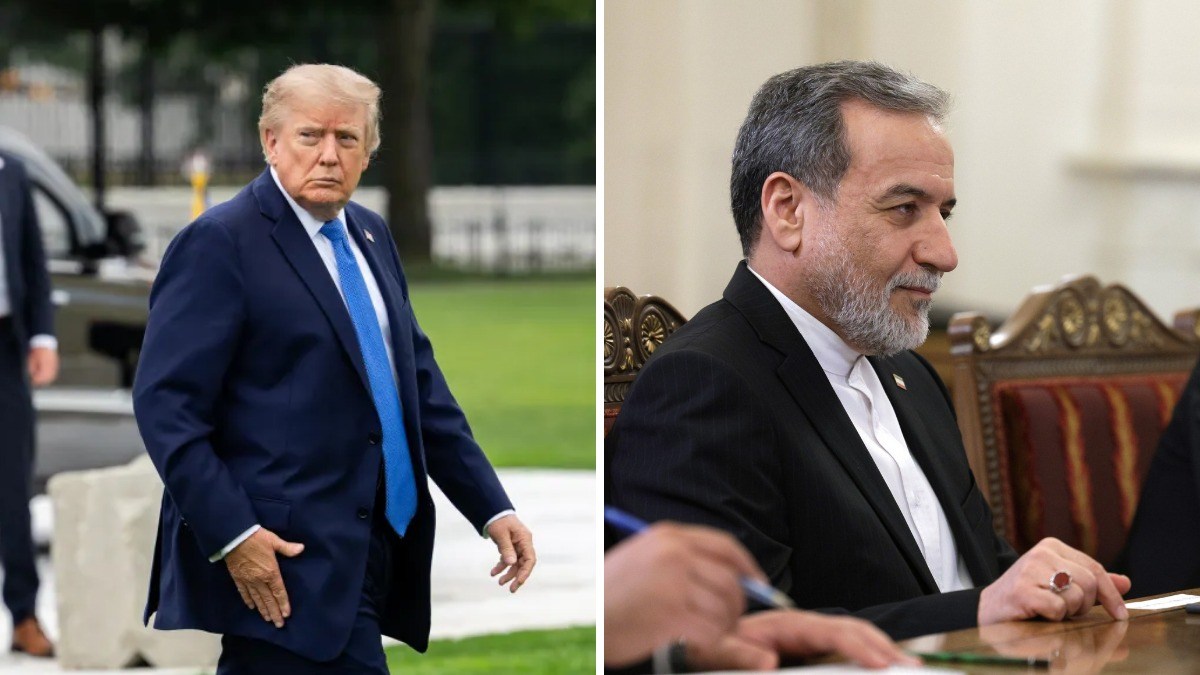

President Trump has officially announced an upcoming economic campaign against Tehran, a move he is calling an “economic D-Day,” The Hill reported. This declaration comes as the administration pushes to isolate Iran from the global economy by targeting its oil smuggling, front companies, and various cash transfer methods.
The president shared his plan on Truth Social on Wednesday. “Oil smuggling, swap lines, cash transfers, exchange houses, ship registries, front companies — It all needs to stop NOW,” Trump wrote. He further explained, “You know who you are. This will be an ECONOMIC D-DAY, and we need all of our Allies to stand with the United States of America to isolate, and defeat, the Iran threat.” Trump also warned that any nation attempting to interfere with these isolation measures will face what he described as “TREMENDOUS Economic Consequences.”
This strategy follows a six-month period during which the administration has already worked to block Iranian vessels from moving through the Strait of Hormuz. The goal is to cut off Tehran from profitable gains through a strict sanctions regime.
The response from Iranian leadership has been swift
On Thursday, Iranian Foreign Minister Seyed Abbas Araghchi used X to dismiss the threat as a distraction from internal American issues. “The so-called “Economic D-Day” is a diversion from America’s own crisis: unprecedented debt & surging interest costs,” Araghchi wrote. He continued by stating, “Doubling down on failed policies will only bring further defeat—and enmity of Iranians.”
The timing of this announcement is particularly notable because the United States national debt officially crossed $40 trillion on Tuesday. This massive financial milestone is being fueled by several factors, including the direct military spending associated with the conflict, rising inflation, and higher oil prices. These economic pressures have led to surging interest rates, which are impacting federal, business, and household loans across the country.
Public sentiment regarding the conflict also appears to be shifting. According to a Marquette Law School Supreme Court poll released earlier this month, a significant majority of Americans feel the situation is not worth the current price tag. The data shows that 75 percent of participants believe the fighting in the Middle East is not worth the cost, while only 25 percent believe it is.
Despite the escalation in rhetoric, there is still talk of a potential diplomatic resolution. On Monday, special envoy Jared Kushner described ongoing discussions to end the war as “robust.” President Trump has also stated that negotiations regarding a potential ceasefire are currently underway.
There is hope that these talks might resume next month, though it remains to be seen how the new “economic D-Day” strategy will influence the viability of those conversations.








Published: Aug 20, 2026 05:45 pm