



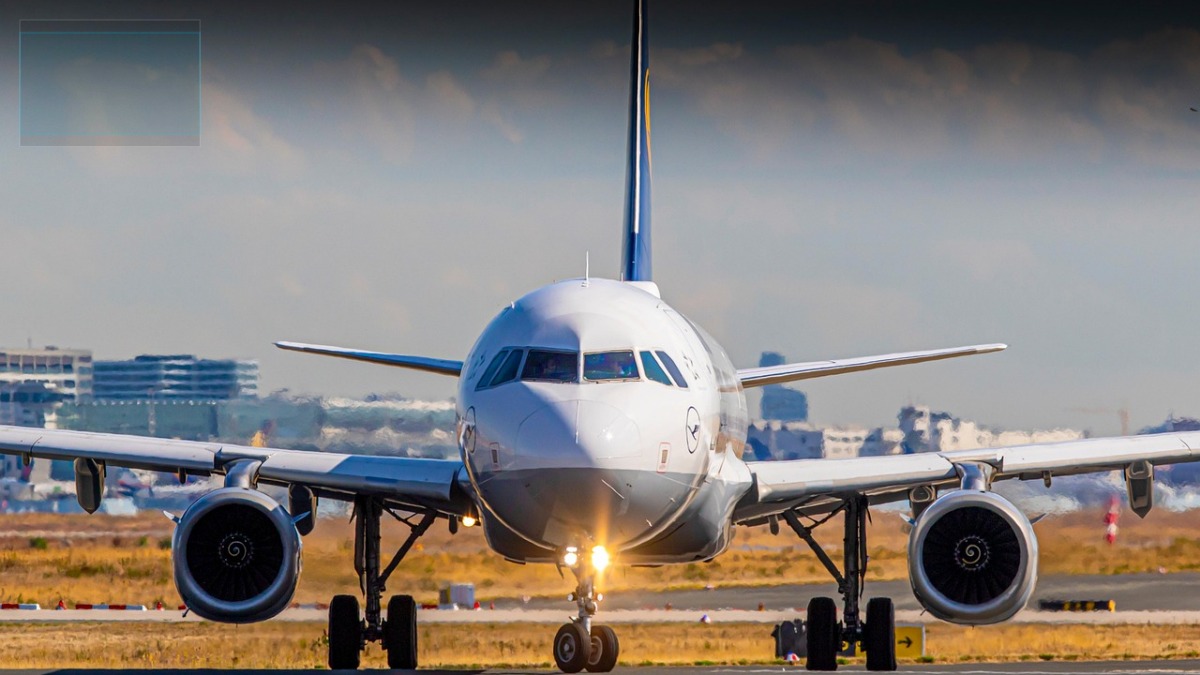

Two American pilots have been stuck in Guinea, West Africa, since late December 2025 after a routine fuel stop turned into a months-long legal nightmare. Brad Schlenker, 63, from Illinois, and Fabio Espinal Nunez, 33, from New Jersey, were flying a Brazilian family from Suriname to Dubai on a Gulfstream IV when they landed at Conakry’s Ahmed Sekou Toure International Airport to refuel. What followed was anything but routine.
Upon landing, the two pilots were met by roughly 100 heavily armed Guinean military personnel surrounding the aircraft, with armored vehicles nearby and soldiers pointing rifles while shouting in French. Guinean authorities detained them on charges of unauthorized landing and violating national sovereignty, charges the pilots strongly dispute. They say radio transcripts clearly show they received clearance to land at least three times before touching down, reports Semafor.
Schlenker, who has now been stranded in Guinea for more than three months, told Semafor that the U.S. government has been “useless” in helping them get home. “I voted for this administration because they were supposed to protect Americans,” he said. He added that people close to the situation had told him that a single phone call from Secretary of State Marco Rubio or Defense Secretary Pete Hegseth to Guinean officials could secure their release.
The Trump administration has done very little in public
The State Department has taken a quiet approach to the case, working behind the scenes with Guinean officials rather than making any public push. A spokesperson told Semafor that U.S. officials regularly visited the men and that Washington “remains engaged on this case.” The White House said Trump “is always concerned about Americans detained abroad.”
The two pilots were released on bail on March 13 and are now under a form of house arrest, confined to Conakry while awaiting trial. This is not the only time the Trump administration has faced scrutiny over its handling of sensitive matters, as a federal judge recently slammed Trump’s defamation suit against a major media house over an alleged letter linked to Jeffrey Epstein.
The charges against them have shifted several times since their arrest. Guinean authorities initially seemed focused on finding drugs, searching the aircraft three times on the night of the arrest. When no drugs were found, prosecutors moved to charges of unauthorized landing and breaching national security.
More recently, authorities told the pilots that the Gulfstream IV they were contracted to fly was likely stolen and may have been used for drug trafficking in the past. Schlenker maintained that he and Espinal Nunez had no way of knowing any of that, as they were freelance pilots hired to fly a charter and the FAA’s website showed no red flags about the plane.
Back home, the pilots’ senators from Illinois and New Jersey sent a joint letter to the State Department in February asking for information and action. Their offices say they never received a response. Analysts say the low-key U.S. approach is partly explained by broader strategic interests.
Guinea holds some of the world’s largest deposits of bauxite and iron ore, and the Trump administration has been actively building ties with Conakry. The two governments recently signed a bilateral critical minerals agreement, and talks are ongoing about a proposed railway from Guinean iron mines to the Liberian coast. That railway project is backed by Ivanhoe Atlantic, a group that includes former Trump administration Africa officials.
Schlenker himself suggested that Guinea’s mineral wealth may be influencing how aggressively the U.S. is willing to push for his release. The administration has shown a pattern of bold foreign policy moves in recent months, including threatening 50 percent tariffs on Iran’s arms suppliers shortly after declaring a ceasefire, a move experts say may exceed presidential authority.





Published: Apr 14, 2026 02:15 pm