




The Trump administration’s Environmental Protection Agency (EPA) has announced plans to roll back limits on toxic wastewater from coal-fired power plants. The proposal aims to exempt coal power plants from treating contaminated groundwater that seeps into nearby waterways.
The plan targets a 2024 rule that required coal-fired power plants to stop toxic heavy metals from getting into streams and rivers through polluted groundwater. The EPA says this rule was too costly for the energy industry at a time when energy demand is rising. The rollback would affect a wide range of contaminants, including arsenic, mercury, and other heavy metals that are known to cause serious health problems.
Environmental groups, including Earthjustice, have strongly criticized the proposal as a danger to public health. According to The Hill, they say it is essentially a giveaway to the coal-power industry, and that the costs to public health far outweigh any financial benefits to energy companies.
The EPA’s rollback puts millions of Americans’ drinking water at serious risk
The EPA’s proposal would remove protections on hundreds of millions of pounds of wastewater that contains neurotoxins and cancer-causing substances. Earthjustice attorney Thom Cmar warned that “this plan would allow coal power plants to avoid cleaning up contamination that threatens our drinking water sources.”
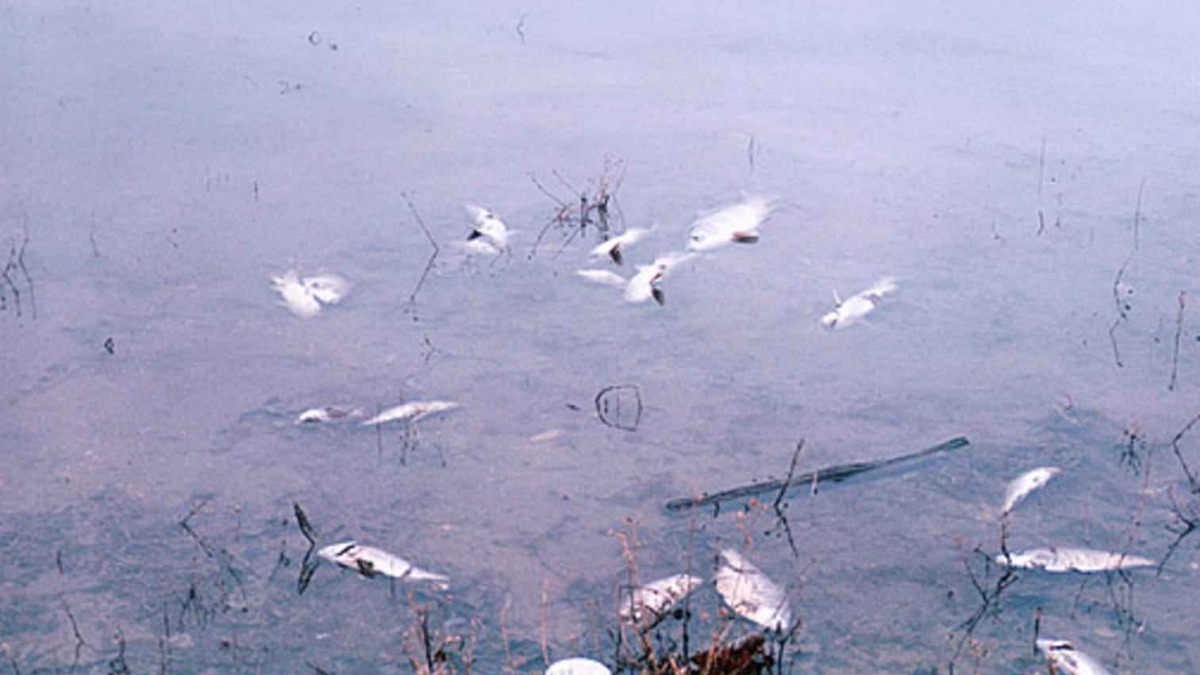
The lakes, rivers, and other waterways that would see more pollution as a result of this proposal are often sources of drinking water for tens of millions of people. Coal-fired power plants are already one of the largest sources of toxic pollution in America’s rivers, lakes, and streams.
The American Water Works Association, which supplies roughly 80% of North America’s drinking water, has spoken out about how coal plant wastewater affects drinking water quality. The Alliance of Nurses for Healthy Environments has also raised concerns about its effects on public health, particularly for communities that live close to coal plants.
The Trump administration’s rollback of coal regulations is part of a broader push to strengthen fossil fuels as a primary energy source, partly to support the fast-growing energy needs of artificial intelligence data centers. This comes as Trump has faced criticism over his disregard for Americans’ financial concerns, with critics arguing that his policies consistently prioritize industry over ordinary people.
EPA Administrator Lee Zeldin argued that changing the rule is “critical to making electricity more affordable and reliable, while advancing the economy.” Environmental groups, however, say this move only benefits the coal-power industry at the cost of public health. Industry groups have been actively pushing to avoid these requirements.
The White House’s Office of Management and Budget met with the utility lobbying group the Edison Electric Institute, along with other companies and industry groups, to discuss the leachate proposal. Other groups also lobbied the EPA for these changes, including by submitting written comments to the EPA’s docket last year. This level of industry involvement in shaping environmental policy has drawn sharp criticism from public health advocates.
This is not the first time the Trump administration has tried to roll back coal plant wastewater regulations. In 2024, the EPA had strengthened the Effluent Limitation Guidelines on several types of plant wastewater, including unmanaged leachate, reports Earthjustice. The administration has also said it plans another effort to weaken standards for other wastewater discharges under the Effluent Guidelines, which could be launched later this year.
The EPA’s own estimates suggest that the proposed rollback would relax federal standards at the vast majority of coal-fired power plants, allowing them to avoid cleaning up contamination that threatens drinking water sources. Trump has drawn criticism for branding those who speak out against his decisions as losers, a pattern that many say discourages public opposition to harmful policies like this one.









Published: May 16, 2026 04:45 pm