



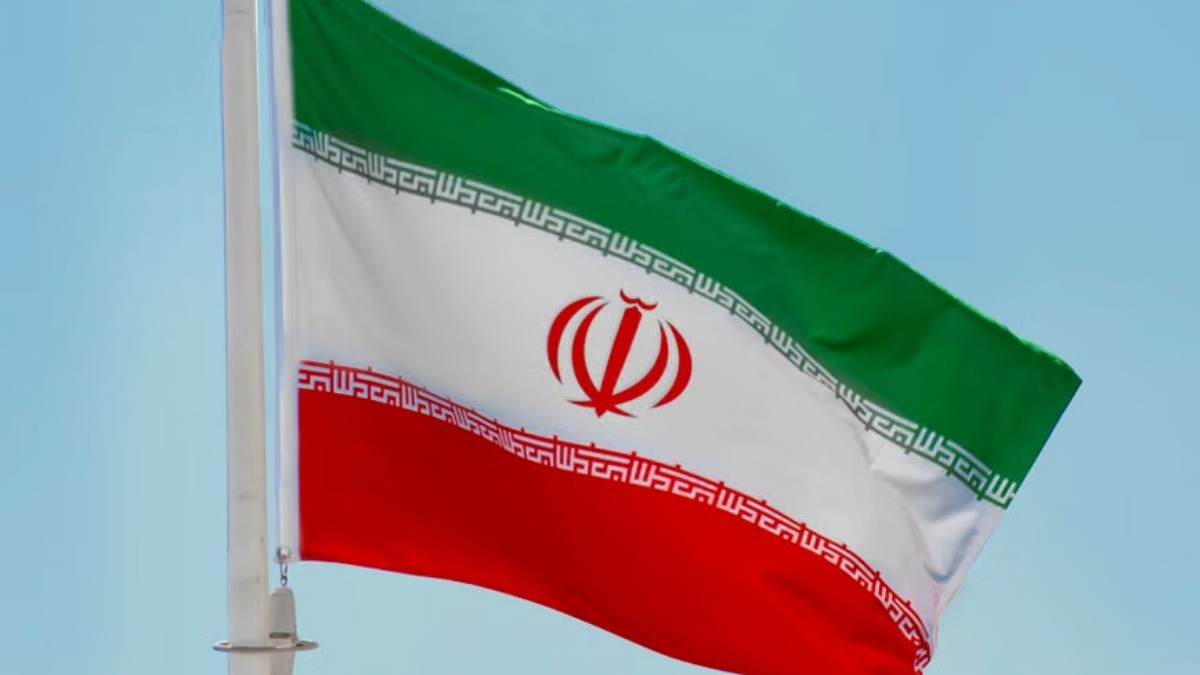

A significant majority of Americans now anticipate that the ongoing conflict with Iran will continue for an extended period of time, according to new data that highlights a growing public perception of a long-term engagement. The latest Reuters survey results show that 79 percent of respondents believe the United States military will remain active in the region for a considerable duration. This figure represents a notable jump from the 65 percent of people who held the same view back in March.
The polling, which was conducted from July 10 to July 12, surveyed 1,019 adults across the United States. While the general consensus points toward a long-term conflict, there are some interesting splits when you look at the data along party lines. For instance, 91 percent of Democrats expect the war to stretch on, while 69 percent of Republicans share that same outlook.
In contrast, only 18 percent of the total respondents believe the war will conclude quickly within a matter of weeks. Additionally, the survey revealed that only 37 percent of respondents approved of the military strikes that the U.S. has conducted against Iran.
The timing of this poll is particularly relevant given the recent surge in regional tensions
Fresh strikes occurred over the past week, which many observers point to as a direct result of alleged infractions regarding a ceasefire agreement signed by the U.S. and Tehran last month. The situation escalated early Tuesday morning when the U.S. and Iranian militaries exchanged fire. This followed a series of announcements from President Trump regarding the status of the Strait of Hormuz, a critical trading passage that has been a major point of contention throughout the conflict.
Before the war began, this specific waterway carried approximately one-fifth of the world’s daily oil consumption. Because both sides have laid claim to the strait, there has been stalled trade and significantly higher energy prices across the globe.
These rising fuel costs are currently placing a real strain on the pocketbooks of everyday Americans, which is only adding to the pressure on the administration to find a resolution to the hostilities. The recent military strikes also threaten to undermine the framework peace deal that both sides had previously adopted.
President Trump initially stated on Truth Social that the U.S. military would immediately reimpose a naval blockade in the Strait of Hormuz and begin charging a 20 percent toll on vessels passing through. He wrote, “The U.S.A. will be, from this point forward, known as ‘THE GUARDIAN OF THE HORMUZ STRAIT,’ but as such, and as a matter of FAIRNESS, will be reimbursed, at the rate of 20% on all cargo shipped, for any and all costs necessary to do the job of providing safety and security to this very volatile section of the World.”
However, the president later reversed course on the proposed toll in a post on Tuesday morning. He indicated that his administration would instead replace the fee with trade and investment deals within the Gulf. Regarding these new plans, he wrote, “Those Investments will be MASSIVE but, at the same time, extraordinarily good for them, and their future.” It remains to be seen how these shifting strategies will impact the broader conflict.
The military activity has been intense. U.S. Central Command, or Centcom, confirmed that its latest round of strikes against Iran lasted five hours and concluded on Monday evening at 10:15 p.m. EDT. According to the command, the goal of these strikes was to further degrade the ability of Iran to attack commercial shipping. CENTCOM stated on social media, “CENTCOM forces employed precision munitions against Iranian coastal defense systems, missile and drone sites, and maritime capabilities.”
The response from Tehran has been swift and aggressive. They have launched retaliatory strikes against U.S. allies in the region. Specifically, the United Arab Emirates reported that the Iranian military killed one person and injured eight others during strikes on two tankers located in the strait. The Islamic Revolutionary Guard Corps claimed responsibility for this attack, alleging that the vessels were non-compliant.
Furthermore, reports indicate that the IRGC targeted weapons storage facilities, a satellite communications hub, and U.S. military housing at an American base in Bahrain.









Published: Jul 14, 2026 05:00 pm