



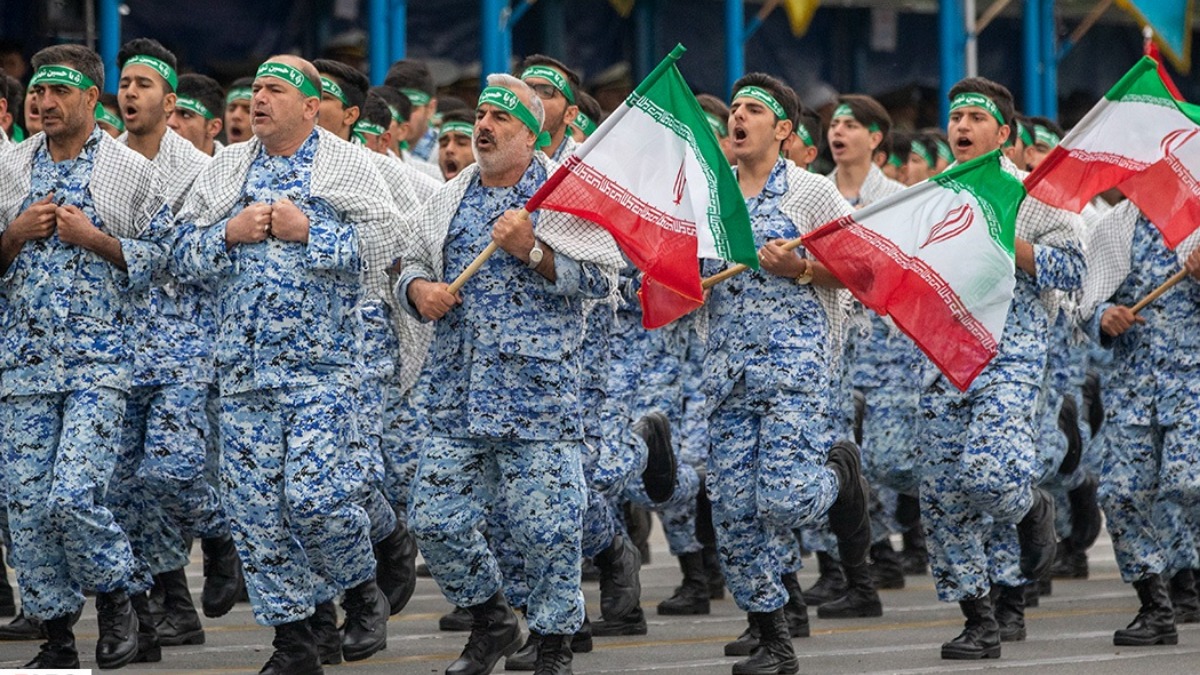

Iranian Parliament Speaker Mohammad Bagher Ghalibaf has accused US President Donald Trump of making seven false claims in a single hour. He made this accusation in a post on X, raising serious concerns about the state of diplomacy between the two countries.
Trump had stated that the US would work with Iran to recover its enriched uranium and bring it back to the United States. He called this uranium “nuclear dust” and claimed it would be retrieved “very soon.” Iran’s Foreign Ministry spokesperson, Esmaeil Baghaei, quickly rejected this, saying that Iran’s enriched uranium would not be transferred anywhere, and that sending it to the United States was never an option.
Ghalibaf also challenged Trump’s claim that the Strait of Hormuz was “fully open and ready for full passage.” Trump had posted on Truth Social that the US blockade on Iranian ports “will remain in full force and effect as it pertains to Iran, only, until such time as our transaction with Iran is 100% complete.” Ghalibaf counted this as another one of the seven false statements and made clear that the US has not won any war with lies, reports The Jerusalem Post.
Trump’s false claims could seriously damage already fragile US-Iran nuclear negotiations
In his post on X, Ghalibaf wrote, “The President of the United States made seven claims in one hour, all seven of which were false. They did not win the war with these lies, and they will certainly not get anywhere in negotiations either.” He also urged people to “read the real and accurate news of the negotiations in the recent interview of the Foreign Ministry spokesman,” where Baghaei confirmed that Iran will not transfer its enriched uranium anywhere.
Despite making these disputed claims, Trump expressed confidence about a potential deal with Iran. In an interview with Reuters, he said he “think[s] the deal will go very quickly. We’re getting along very well with Iran.” However, Iran’s public rejections of his statements tell a very different story, suggesting the two sides are still far apart on the most important issues.
Trump’s approach to foreign diplomacy has drawn attention beyond Iran as well, he recently clashed with Pope Leo for the second time in just a matter of days, showing a pattern of public confrontations on the international stage. Iran’s nuclear program has been at the center of US-Iran tensions for years.
Iran is believed to possess more than 900 pounds of uranium enriched up to 60% purity. The US has long been concerned that this stockpile could be used to build a nuclear weapon, while Iran insists its uranium enrichment is strictly for peaceful civilian use. This disagreement over the purpose of Iran’s nuclear activities has made negotiations between the two countries difficult for a long time.
Baghaei’s confirmation that Iran will not move its enriched uranium anywhere directly contradicts what Trump told the public. This gap between what the US president says and what Iran’s officials confirm makes it harder to trust the progress of any ongoing negotiations.
These tensions come at a time when the White House is also engaged on other sensitive fronts, including preparing for a dangerously powerful AI model that Anthropic’s CEO recently discussed with Trump’s inner circle. With Iran publicly calling out seven specific false claims made in just one hour, the path toward any agreement looks difficult.
Both countries remain far apart on key issues, and the public back-and-forth between their officials only adds to the deep mistrust that has defined US-Iran relations for decades. Unless both sides can agree on basic facts, meaningful progress in these negotiations seems unlikely in the near term.







Published: Apr 18, 2026 01:45 pm