



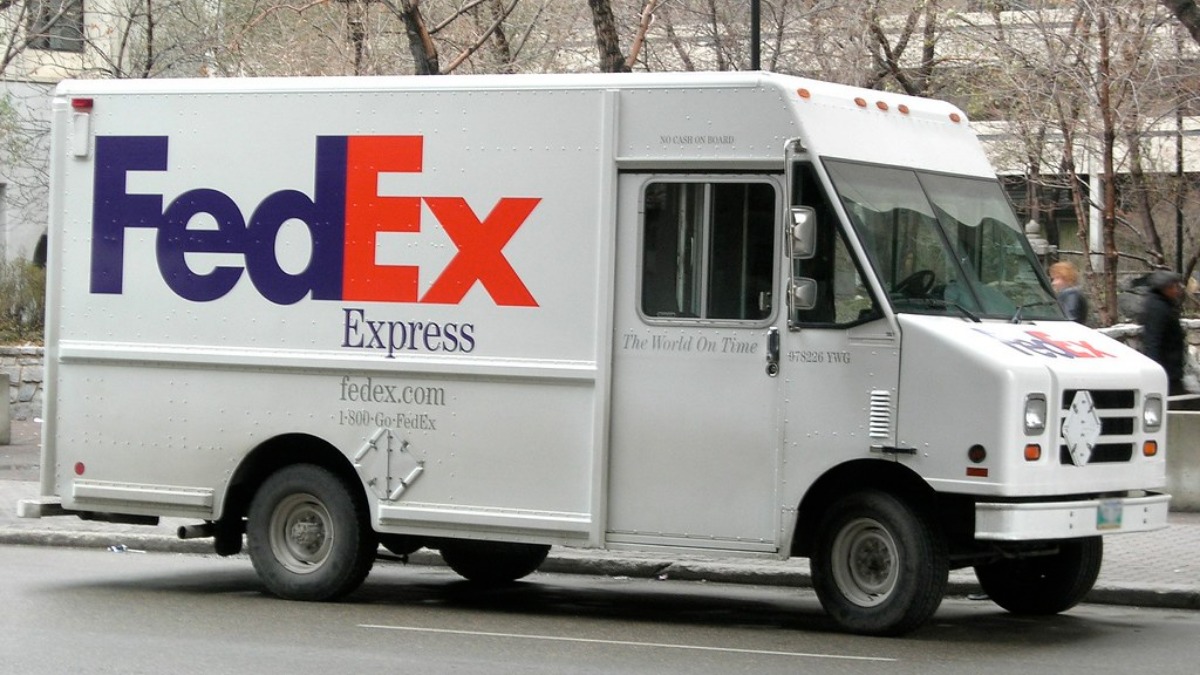

FedEx and UPS have officially committed to returning tariff refunds to their customers as the U.S. government begins the process of paying back the levies that were recently ruled illegal, Reuters reported. This development follows a major shift in the landscape of international trade after the U.S. Supreme Court struck down the tariffs in February.
The court determined that the tariffs, which were pursued by President Donald Trump under a law intended for national emergencies, were not legally sound. This decision has opened the door for a massive financial reconciliation involving approximately $166 billion in collected tariff revenue.
The process for recovering these funds began in earnest last week when the U.S. Customs and Border Protection launched its online refund platform, known as the Consolidated Administration and Processing of Entries, or CAPE. Thousands of companies have already rushed to submit their claims to the government.
It is a significant move for the logistics industry, as these companies were often the ones tasked with collecting the extra costs from shoppers who were frequently surprised by the sudden price hikes on their imported goods
UPS CEO Carol Tome addressed the situation during a investor call, clarifying the company’s strategy for handling the incoming rebates. She confirmed that UPS had collected about $5 billion worth of tariffs from its customers during the period the levies were in effect.
Regarding the company’s position on the recovery process, Tome stated, “We are working with the Customs Border Protection to apply for those refunds. Our approach is to work with the U.S. government and not to sue the U.S. government.” She further emphasized the company’s commitment to its clients by saying, “We think it’s going to take some time before the Treasury remits money to us, but as soon as we get that money, we’re going to remit it right back to our customers.”
The approach taken by FedEx stands in contrast to the strategy employed by UPS. FedEx was notably the first of thousands of companies to take legal action against the administration, filing a lawsuit in February to demand a full refund for the cost of the levies.
FedEx and UPS’s legal filing sought not only the return of the tariff payments but also interest on the taxes, attorney fees, and the costs associated with bringing the action to court
FedEx had previously estimated that the tariffs would result in a $1 billion hit to its earnings over the fiscal year, which concludes on May 31. Despite the adversarial nature of their lawsuit, FedEx has now joined UPS in promising to issue refunds to customers as soon as it begins receiving the necessary funds from the Customs and Border Protection.
The situation has been particularly frustrating for consumers who felt the direct impact of these policies. Federal Reserve data suggests that American households ended up paying for about 90% of the levy costs, as importers passed the expenses down the supply chain. Much of the frustration for e-commerce shoppers stemmed from the suspension of the de minimis rule, which previously allowed imports valued at $800 or less to enter the country without import taxes.
This change led to unexpected fees for many people, such as the customer who ordered fragrance oil from Canada. After paying $27 for the product, he was hit with an additional $10.80 tariff bill upon delivery. He later noted, “It wasn’t worth the $10 tariff for a $27 purchase.”
This level of sticker shock led to a wave of legal pushback from individual shoppers who felt the shipping companies were overstepping their roles. Matthew Resier, a FedEx customer from Miami, filed a proposed class action lawsuit alleging that the company acted as a customs broker and improperly charged duties on products that should have been duty-free, such as a pair of German shoes that incurred $36 in taxes and fees. Similar actions have been filed by customers associated with major retailers like Costco and EssilorLuxottica, the maker of Ray-Ban sunglasses.
While the government has stated that it will process the first wave of applications and distribute payouts within 60 to 90 days, the road to recovery remains complex. Commerce Secretary Scott Bessent had previously expressed skepticism about the likelihood of refunds reaching the public, stating, “I got a feeling the American people won’t see it.”
However, with the launch of the CAPE platform and the public pledges from major logistics providers, it appears that the process is finally moving forward. It remains to be seen how quickly these massive sums will trickle down to the individual level, but the commitment from these companies marks a clear step toward resolving a policy that heavily impacted global trade and household budgets through 2025.








Published: Apr 29, 2026 06:30 pm