




Iran is warning it is ready to “unveil new cards on the battlefield” as a two-week ceasefire with the United States nears its expiration on Wednesday. U.S. officials were expected to depart Tuesday for a second round of peace talks in Islamabad, though Iran had yet to confirm its attendance, adding significant uncertainty to an already tense situation.
The U.S. delegation includes Vice President JD Vance, Middle East special envoy Steve Witkoff, and Jared Kushner. While Vance had not departed by late Monday morning, administration officials indicated he would likely leave the U.S. on Tuesday. Both sides have publicly stated they support a negotiated end to the conflict, but their actions have pointed in a different direction, particularly in the Strait of Hormuz.
As detailed by The Washington Post, the U.S. seized the Iranian-flagged ship Touska over the weekend, following reports of Iranian attacks on two Indian-flagged vessels. The move has effectively closed the strait to all traffic. Iran’s Foreign Ministry called the seizure “maritime piracy” and demanded the release of the vessel and its crew, warning of “extremely dangerous consequences,” according to Iranian state media reports on Tuesday.
The Strait closure is reshaping global oil markets in real time
The Strait of Hormuz handles roughly a fifth of the global oil supply, and its closure since military conflict broke out on February 28, 2026 has already had significant economic consequences. Initially, the disruption centered on insurance contracts for oil tankers, but the larger concern has always been direct attacks on shipping that could render the lanes impassable. Countries like Iraq and Kuwait began cutting oil production in early March 2026, once local storage filled and exports became untenable.
Brent crude was hovering around $95 per barrel early Tuesday, while Asian markets closed mostly flat and European markets posted only modest gains. The complete halt of oil exports from the Gulf region has removed roughly 20 percent of global oil supplies from the market, with about 80 percent of that normally destined for Asia. Importers unable to source oil from the Persian Gulf are being forced to look elsewhere, driving prices up worldwide.
This disruption is markedly different in scale from previous geopolitical shocks. The Yom Kippur War in 1973 and the Iranian Revolution in 1979 each removed roughly 4 to 6 percent of global oil supplies, whereas the current shortfall is close to 20 percent, making it three to five times larger by that measure. It is also the first time the Strait has been completely closed. New research from the Federal Reserve Bank of Dallas models the economic impact of such a closure: a one-quarter shutdown beginning in Q2 2026 would push West Texas Intermediate crude to approximately $98 per barrel while reducing global real GDP growth by an annualized 2.9 percentage points. A three-quarter closure could see prices hit $132 per barrel by year-end, with global GDP growth falling 1.3 percentage points.
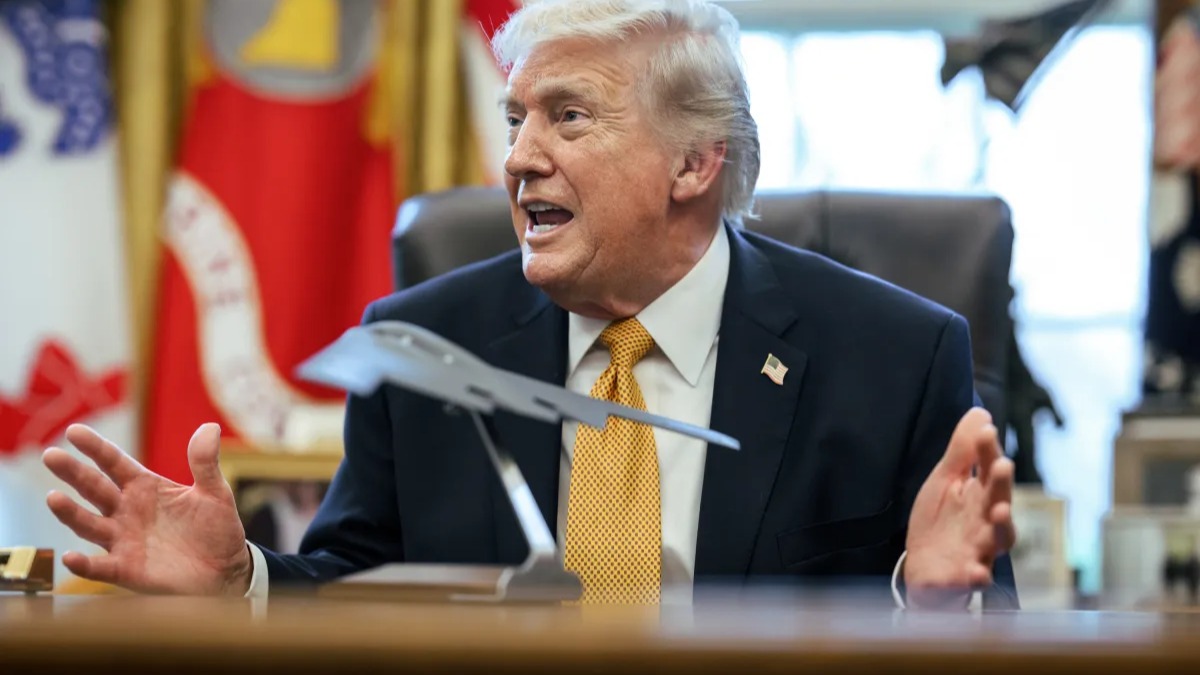
Iran’s parliamentary Speaker Mohammad Bagher Ghalibaf posted on X overnight that Iran “will not accept negotiations under the shadow of threat,” accusing President Trump of using the U.S. blockade to turn the negotiating table “into a table of surrender or to justify renewed warmongering.” Trump, amid broader scrutiny over his administration’s federal appointments, told Bloomberg News on Monday he was not inclined to extend the ceasefire if no deal is reached. “I’m not going to be rushed into making a bad deal. We’ve got all the time in the world,” he said.
Iran’s ambassador to Pakistan, Reza Amiri Moghadam, echoed Ghalibaf on X Tuesday morning, stating that Iran “will Not negotiate under Threat and Force.” Maj. Gen. Ali Abdollahi, commander of Khatam al-Anbiya military headquarters, said Iran is ready to deliver “decisive, determining, and immediate responses,” as reported by state-run Mehr news agency. By midday Tuesday, the Islamic Republic of Iran Broadcasting reported that no Iranian diplomatic delegation had traveled to Islamabad “so far” for the latest talks.
Several potential routes exist to ease the oil supply shortfall. Saudi Arabia could increase the flow through its East-West pipeline from the Persian Gulf to the Red Sea, redirecting up to 4 million barrels per day, though the port remains within range of Iranian and Houthi missiles, and onward shipping still exposes tankers to risk. A shorter pipeline in the UAE bypasses the Strait entirely, leading to the port of Fujairah on the Gulf of Oman, but both that pipeline and port have already been targeted by Iran. Amid rising pressure on Western governments over energy security and military readiness, Palantir has separately been pushing for universal national service in the U.S. China could also negotiate direct passage for its oil tankers through the Strait, and India has reportedly pursued a similar arrangement. Oil traffic could also resume in a hostile environment, as occurred during the Tanker War of the 1980s, when an average of one vessel was struck per day, provided losses remain below the threshold that would make continued shipping commercially unviable.








Published: Apr 21, 2026 07:30 am