



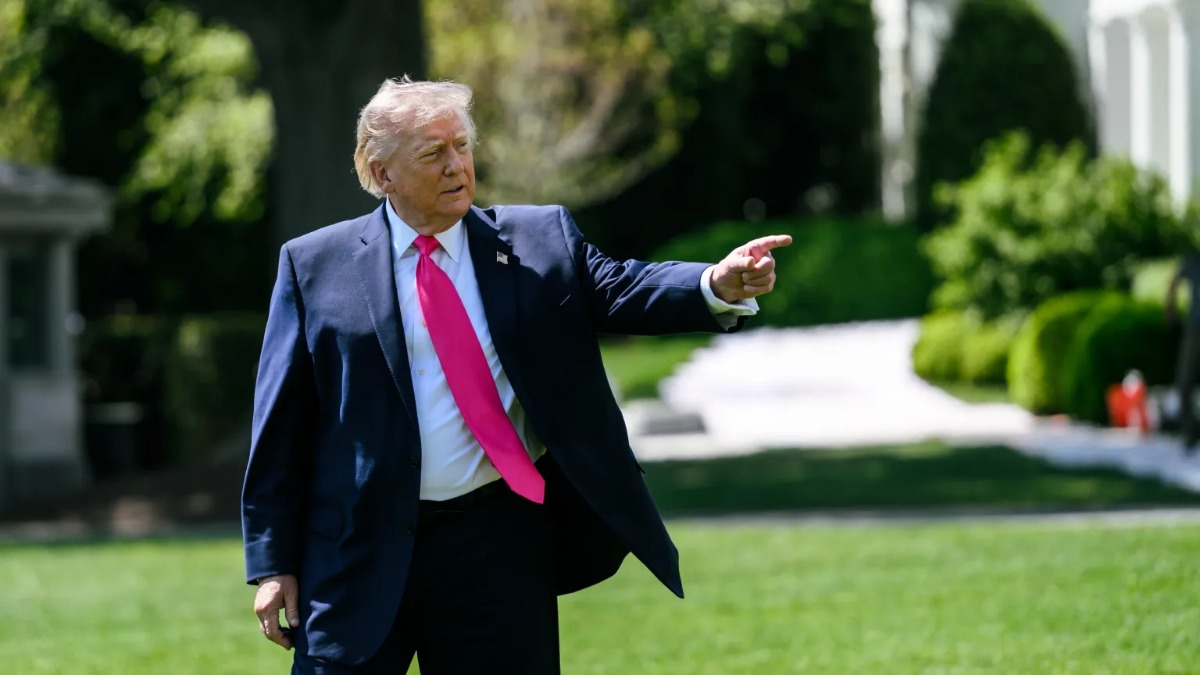

Joe diGenova, a former Trump campaign lawyer known for his vocal support of efforts to overturn the 2020 election results, has been tapped to lead a significant federal investigation based in Florida, NBC News reported. A Justice Department official confirmed the appointment, noting that the 81-year-old attorney will serve as counsel to the attorney general.
This move marks a pivot in the ongoing inquiry into former federal officials who previously investigated Donald Trump. DiGenova, who served as a U.S. attorney for the District of Columbia during the Reagan era, is now stepping into a high-profile role that targets actions stretching back to the original Justice Department inquiry into Russian interference in the 2016 presidential election.
The appointment comes following the departure of Maria Medetis Long, a career prosecutor who had been managing the investigation. Reports indicate that Medetis Long had previously expressed objections to moving forward with a specific investigation into former CIA Director John Brennan. This friction reportedly occurred after Trump allies on Capitol Hill claimed that Brennan should face charges regarding past testimony they alleged was false.
With the leadership change, the focus of this sprawling inquiry, frequently referred to by Trump allies as a grand conspiracy investigation, appears to be intensifying
The investigation is being overseen by Jason A. Reding Quiñones, who is the U.S. attorney for the Southern District of Florida, and it utilizes a grand jury based out of a Fort Pierce court. The court itself is run by U.S. District Judge Aileen Cannon. This structure highlights the scope of the probe, which has already resulted in the issuance of more than 130 subpoenas. Among those subpoenaed in connection with the investigation is former FBI Director James Comey, who received his subpoena last month.
The legal strategy behind this probe is quite unique. While the statute of limitations for the vast majority of federal crimes is restricted to five years, supporters of this investigation are attempting to utilize the concept of a grand conspiracy as a potential workaround.
The theory suggests that if all previous investigations into Trump were part of one massive, unified plot, prosecutors could potentially tie past conduct to recent actions. By establishing that some sort of overt act took place within the last five years, proponents of this theory believe they can bypass the standard time limits on federal prosecutions.
Trump and his allies have long maintained the position that a deep state colluded against him during his first term. They have consistently argued that the Russia investigation was a calculated effort to undermine his presidency. However, the history of these inquiries tells a different story. A 2019 report confirmed that Russia indeed attempted to boost Trump’s candidacy while working to tank Hillary Clinton’s campaign.
While Robert Mueller, the former special counsel, did not determine whether there was a chargeable offense regarding Trump, he adhered to long-standing precedent that a sitting president could not face federal criminal charges. Furthermore, a 2020 bipartisan Senate Intelligence Committee review, which included the signature of Marco Rubio, also found evidence of Russian interference. Despite these findings, no collusion was ever proven between Trump’s team and Moscow.
DiGenova brings a history of intense rhetoric to this new position. He was a prominent member of what Trump attorney Jenna Ellis dubbed an elite strike force team, which emerged following the 2020 election. This group, which included figures like Victoria Toensing, Rudy Giuliani, and Sidney Powell, spent significant time challenging the election results through numerous failed lawsuits.
DiGenova has also been known for heated comments regarding officials who disagreed with claims that the 2020 election was stolen. He famously called for former Department of Homeland Security official Christopher Krebs to be drawn and quartered and taken out at dawn and shot after Krebs reported that the election was secure. Although DiGenova later apologized for the remarks, the intensity of his past public statements remains a notable part of his professional profile.
This isn’t the first time an attempt has been made to prosecute figures like Comey. The Trump administration previously tried to move forward with a case against the former FBI director over his congressional testimony, but that case was dismissed in November. A federal judge ruled that the prosecutor assigned to the case, Lindsey Halligan, was unlawfully appointed to her Justice Department post, noting she was a former White House aide with no prior prosecutorial experience.
While the Department of Justice appealed that ruling, it serves as a stark reminder of the legal hurdles and scrutiny that these investigations often face. As DiGenova steps into this new role, the legal community will be watching closely to see how the grand conspiracy theory holds up under the weight of such an expansive and controversial investigation.





Published: Apr 20, 2026 03:00 pm