



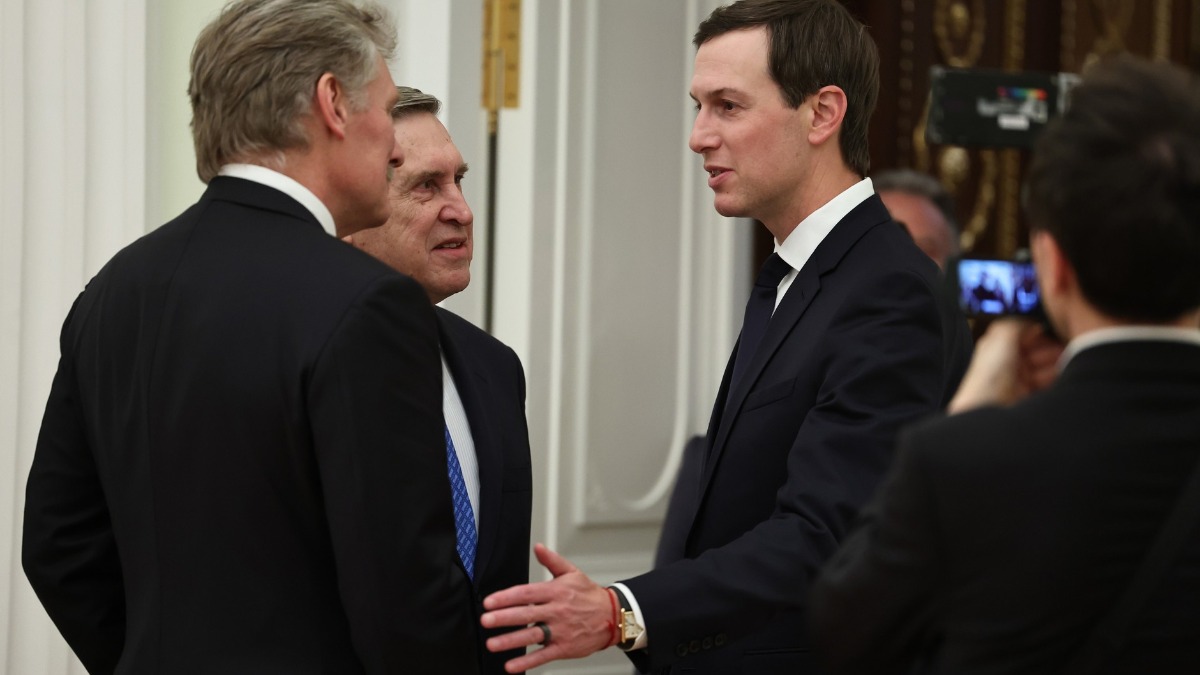

The Trump administration has already begun early discussions on what peace talks with Iran might look like, even as the war enters its third week. U.S. officials still expect two to three more weeks of fighting. President Donald Trump said on Friday that he was thinking about “winding down” the war, and his advisers appear to be laying the groundwork for diplomacy.
Behind the scenes, Trump’s envoys Jared Kushner and Steve Witkoff are actively involved in these early diplomatic discussions. Any potential deal would need to cover major issues, including reopening the Strait of Hormuz, dealing with Iran’s existing stockpile of highly enriched uranium, and reaching a long-term agreement on Iran’s nuclear program, ballistic missiles, and support for regional proxies.
According to Axios, there has been no direct contact between the U.S. and Iran recently. Countries like Egypt, Qatar, and the U.K. have been passing messages between the two sides. Both Egypt and Qatar have told the U.S. and Israel that Iran is interested in talks, but Iran is coming with tough demands – a ceasefire, guarantees against future attacks, and compensation.
The U.S. and Iran both have firm demands, but there is room for creative language
One U.S. official stated, “Our view is we’ve stunted Iran’s growth,” and believes Iran will eventually come to the negotiating table. The U.S. has six demands from Iran: no missile program for five years, zero uranium enrichment, decommissioning of the Natanz, Isfahan, and Fordow nuclear facilities, strict monitoring of centrifuge creation and use, arms control treaties capping regional missiles at 1,000, and an end to financing for proxies like Hezbollah, the Houthis, and Hamas.
Iran has rejected many of these demands before. Leaders in Tehran have also pointed out how difficult it is to negotiate with a president who has a history of engaging in talks before initiating bombings. Iran’s Foreign Minister Abbas Araghchi told his Indian counterpart on Saturday that normalizing access through the Strait of Hormuz would require the U.S. and Israel to stop attacking Iran and commit to not resuming attacks.
President Trump said on Friday that he is open to talks but is not interested in agreeing to a ceasefire right now. As for Iran’s demand for compensation, a U.S. official called it a “non-starter.” However, a second official suggested there could be some flexibility in how it is framed. “They call it reparations. Maybe we call it return of frozen money,” the official said, adding, “There’s many different ways that we can wordsmith so that it solves politically what they need to solve, to develop consensus in their system.”
The same official noted, “We have to first get to the place of having the high-quality problem of wordsmithing.” This shows that even agreeing on the language of a deal is still far off. Meanwhile, pro-Iran hackers targeting major tech infrastructure has added another layer of tension to the already strained relationship between the two countries.
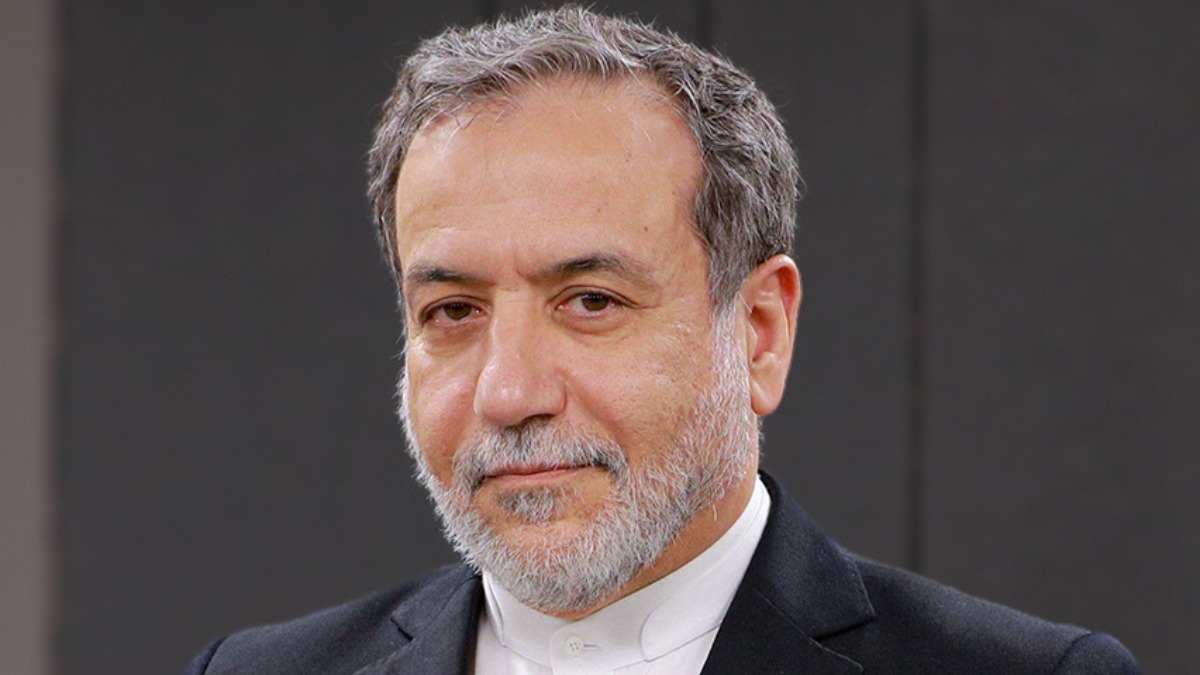
Trump’s team is currently working through two key questions: who in Iran is the right contact for negotiations, and which country should serve as mediator. Iran’s Foreign Minister Araghchi has been used as an intermediary before, but U.S. officials see him more as a “fax machine” than someone with real decision-making power.
While Oman mediated the last round of nuclear talks, the U.S. is now looking at Qatar as the preferred mediator this time, citing mutual distrust with Oman. U.S. officials believe the Qataris have proven to be effective and trusted mediators, particularly in Gaza. However, two sources say Qatar is not eager to take on the role of lead official mediator. The terms Kushner and Witkoff are currently drawing up are expected to be similar to what they presented in Geneva just two days before the war began.


Published: Mar 23, 2026 12:15 pm