



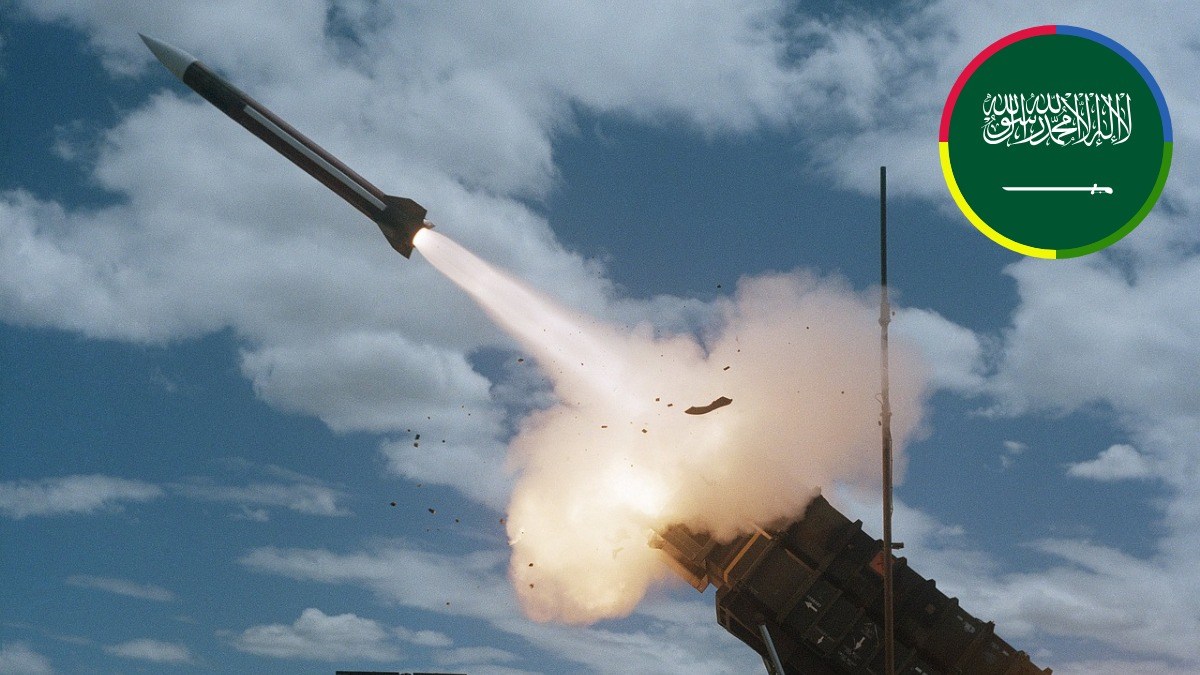

Saudi Arabia and Yemen’s Houthi movement had held an uneasy quiet for close to four years, ever since a United Nations brokered truce froze the front in 2022. That arrangement has now collapsed. Saudi Arabia has vowed to retaliate after a Houthi missile and drone barrage wounded 73 people in the kingdom’s southwest.
The strikes hit Abha, Khamis Mushait, Jazan, and Najran, according to Al Jazeera. Women and children were among the wounded, and fires broke out at several energy facilities in the region, forcing a temporary halt to some operations. However, officials have not said which of those facilities remain offline.
The Houthis claimed responsibility and said they had targeted energy sites in Abha, Najran, and Jazan. King Khalid Air Base in Khamis Mushait was also on the list. Military spokesman Yahya Saree said the operation answered more than 120 Saudi air strikes on Yemen over the previous three days, a figure Saudi officials have not confirmed.
Saudi Arabia has been pulled straight back into this war
Saudi authorities described the barrage as a dangerous escalation and said military measures would follow. The vow carries real weight, as it puts Saudi Arabia back into open combat with one of Iran’s most capable regional partners. Saudi Arabia had spent months watching the wider war between the United States and Iran from a distance.
Hostilities between the two sides restarted in July, when the Houthis fired missiles and drones toward Abha International Airport. The group declared a naval blockade against Saudi shipping later that month and began striking vessels linked to the kingdom in the Red Sea. Houthi forces have held Sanaa and much of northern Yemen since 2014.
Saudi Arabia is not the only target in the region right now. American forces struck three Iranian oil tankers over the weekend after the Islamic Revolutionary Guard Corps fired ballistic missiles at a United States aircraft carrier and a destroyer. Two of the tankers were permanently disabled and a third was destroyed.
Central Command destroyed five more Iranian crude carriers on Tuesday after another missile attack on a Navy warship. Iran answered overnight by firing 20 ballistic missiles toward a United States base in Jordan, as the exchange moved from ships to land targets. Jordanian air defenses intercepted 18 of them, and the remaining two landed away from populated areas.
The economic damage is easier to measure than the military damage. Six commodity vessels crossed the Strait of Hormuz on Tuesday, according to preliminary shipping data. That is down from nine the day before and below the recent 10-day average of about 12, in a waterway that normally carries close to a fifth of the world’s oil and liquefied natural gas.
Brent crude has climbed toward $100 a barrel as traders price in a longer disruption. It’s important to note that Saudi Arabia is now exposed on two sides, with Houthi strikes coming from the Red Sea and the Persian Gulf route still contested. Goldman Sachs has warned that Brent could pass $120 next year if Gulf output stays well below prewar levels.
The escalation lands days after President Donald Trump downplayed the fighting with Iran. The president’s “small potatoes” comment drew criticism at home, as the White House resisted describing the conflict as a war at all. However, the past week has pulled Saudi Arabia, Yemen’s Houthis, and Jordan into the fighting.
Saudi Arabia has not said when or how it intends to respond, though the coalition has said it will take every necessary measure to deter further Houthi attacks and defend the kingdom’s territory.









Published: Sep 9, 2026 02:45 pm