



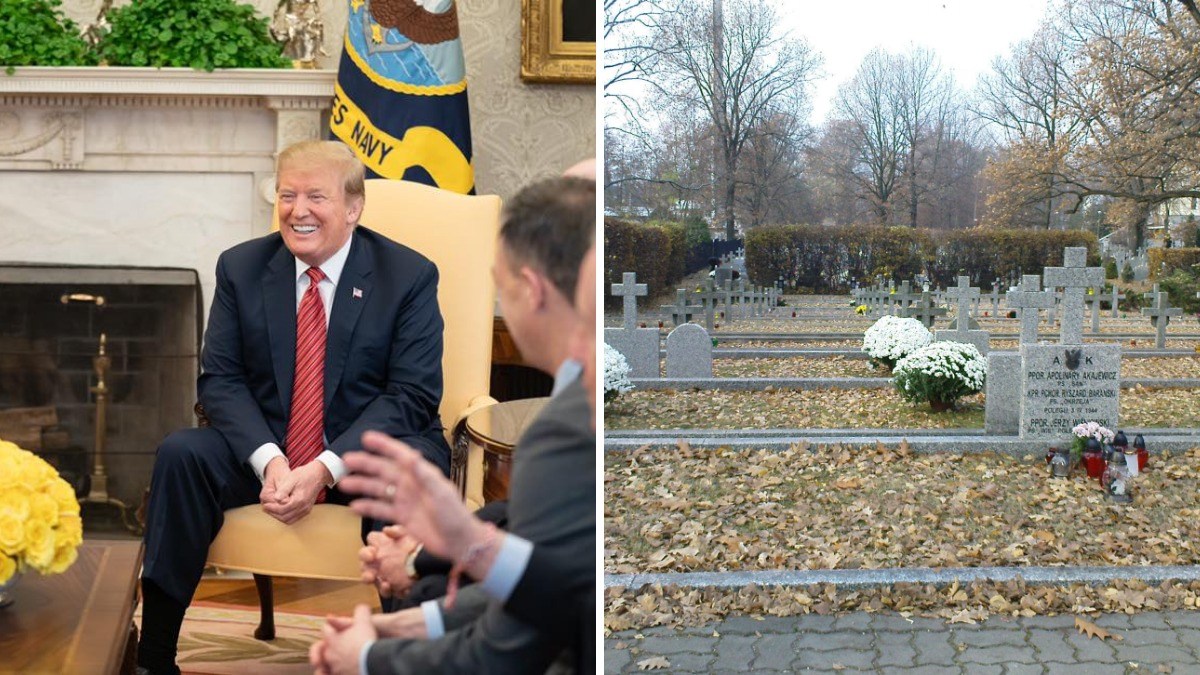

The U.S. war with Iran has stretched on for more than six months, killing 18 troops and costing taxpayers more than $37.5 billion. Trump added to that toll on Friday, calling the conflict “small potatoes for us” and “not a big thing,” according to the Associated Press. The remarks defended Vice President JD Vance’s refusal to call it a war.
Vance told reporters at a briefing a day earlier that he “wouldn’t call it a war,” arguing combat had not been continuous and that no active shooting was happening then. Trump echoed that framing, describing recent strikes on Iran as “intermittent” and preferring the term “military conflict.” It was during that exchange that he used the “small potatoes” line.
Pressed on the phrase given the 18 American deaths, Trump compared the toll to past conflicts. He pointed to the January operation that captured Venezuelan President Nicolás Maduro, which cost no American lives, then claimed Vietnam had killed 100,000 U.S. troops. The National Archives puts the real figure at 58,220, a gap of more than 40,000.
Trump’s Vietnam math was off by more than 40,000 people
Trump did not directly call the 18 deaths “small potatoes,” and his broader argument was that the campaign remains limited, as it relies on air and naval power rather than ground troops. He also argued the campaign has succeeded in setting back Iran’s nuclear program. However, the phrasing has become a flashpoint regardless of that context.
Congress has never formally declared war on Iran or authorized the current campaign, which gives the wording constitutional weight. However, under the War Powers Resolution, a president who sends troops into hostilities must generally end that involvement within 60 days without congressional approval.
Republican Rep. Thomas Massie has argued that avoiding the word war lets the administration sidestep those limits. Lawmakers already voted down a pair of war powers resolutions this year, leaving the administration a free hand for now.
Trump’s own position has not stayed consistent either. He backed Vance’s reluctance to use the word war in this exchange, even though he has referred to the “War in Iran” in past public statements. That inconsistency makes the debate look as much like political messaging as military reality.
The remarks also land alongside fresh escalation, as Iran’s Revolutionary Guard fired ballistic missiles at a U.S. aircraft carrier and a guided-missile destroyer in the days since. Both ships evaded the strikes without casualties. U.S. forces responded by disabling two Iranian oil tankers and destroying a third near the Strait of Hormuz.
Iran has since warned of a “more painful” response, as it prepares a new restricted maritime zone extending from its existing naval blockade line. The Strait of Hormuz normally carries roughly one-fifth of global oil flows, and shipping through the waterway remains well below prewar levels. Gas prices have followed, hitting a record $4.14 a gallon over Labor Day weekend.
That combination of rising fuel costs and a war that Vance has admitted is not close to ending is becoming a real liability for Republicans heading into the November 3 midterms. It’s important to note that Trump continues to describe the campaign as limited and successful, even as the fighting shows few signs of stopping soon.
How voters weigh those competing messages could shape whether Republicans hold Congress, especially if gas prices and casualty counts keep climbing before November.








Published: Sep 7, 2026 02:00 pm