



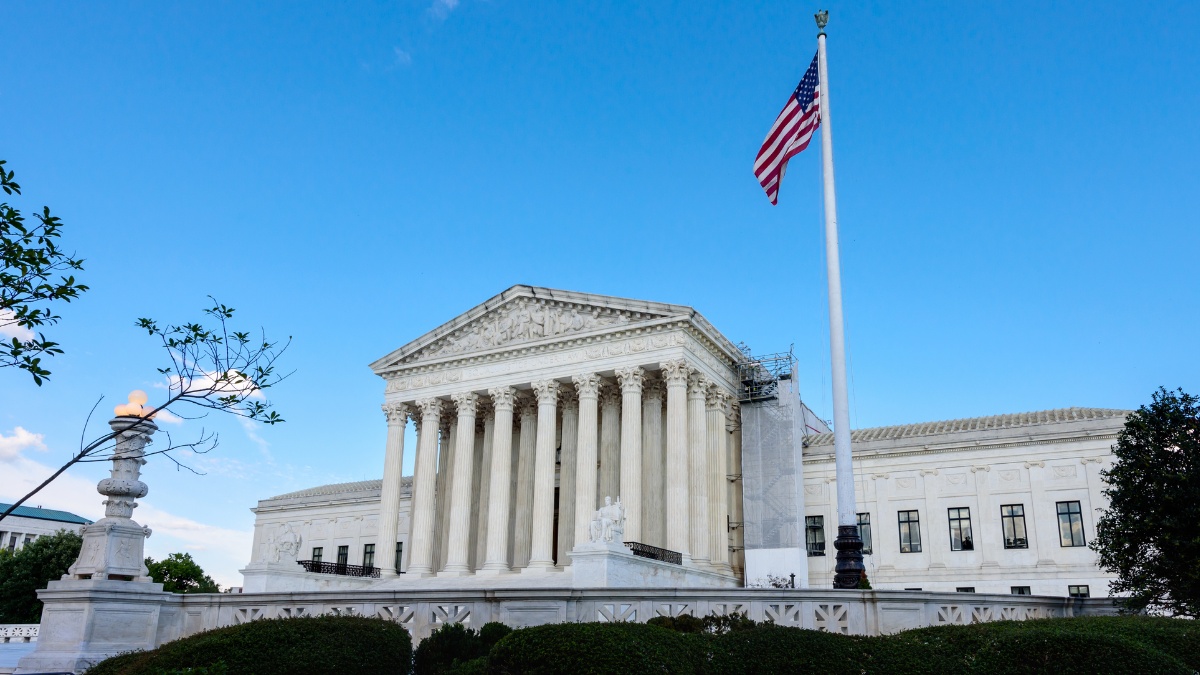

The Supreme Court handed President Donald Trump a significant setback on Friday, striking down a broad swath of his tariffs. As reported by Le Monde, the ruling invalidated many of the duties he had imposed under emergency economic powers.
In a 6-3 decision, the conservative-majority court found that Trump had exceeded his authority by using the 1977 International Emergency Economic Powers Act to justify what he described as “reciprocal tariffs.” The justices concluded that the law “does not authorize the president to impose tariffs,” noting that Congress would have needed to clearly grant that power. Chief Justice John Roberts wrote that the statute “contains no reference to tariffs or duties,” affirming earlier lower court decisions.
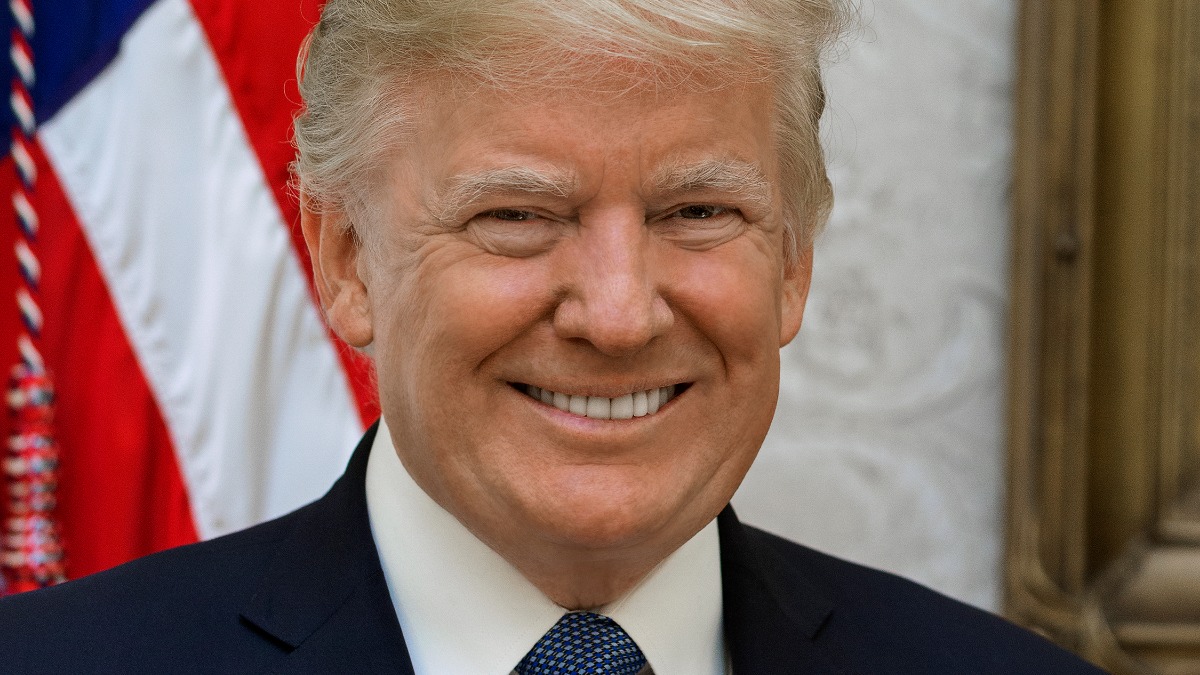
Within hours of the ruling, Trump responded by signing a new executive order imposing a uniform 10% global tariff on all countries. The order, announced Friday, February 20, applies across the board and is set to take effect almost immediately.
Court limits emergency tariff authority as Trump pivots
The Supreme Court’s decision marks Trump’s most significant legal defeat since returning to the White House last year. Speaking to reporters, he criticized members of the court and said he would rely on separate legal authority to impose the new 10% tariff. The ruling also arrives amid affordability poll fallout.
Vice President JD Vance also criticized the court’s decision on X, arguing that Congress intended to give the president authority to regulate imports. The administration maintains that broader trade tools remain available despite the court’s ruling.
The decision does not affect sector-specific tariffs already imposed on products such as steel and aluminum. Those measures remain in place, along with any duties that could result from ongoing trade investigations. However, the ruling curtails the administration’s ability to use emergency economic powers for sweeping, across-the-board tariffs under the IEEPA framework.
The judgment also raises questions about refunds for importers who paid tariffs now deemed unlawful. Justice Brett Kavanaugh warned that sorting out repayment could become complicated, as businesses and federal agencies assess how to handle previously collected duties. Separate federal scrutiny has also drawn attention in the Google security system case.
Governments abroad are monitoring the developments closely. Mexico, which sends a substantial share of its exports to the United States, said it is evaluating the potential impact of the new 10% global tariff. Mexican Economic Minister Marcelo Ebrard stated that officials are reviewing possible measures and assessing how the policy shift could affect trade flows.
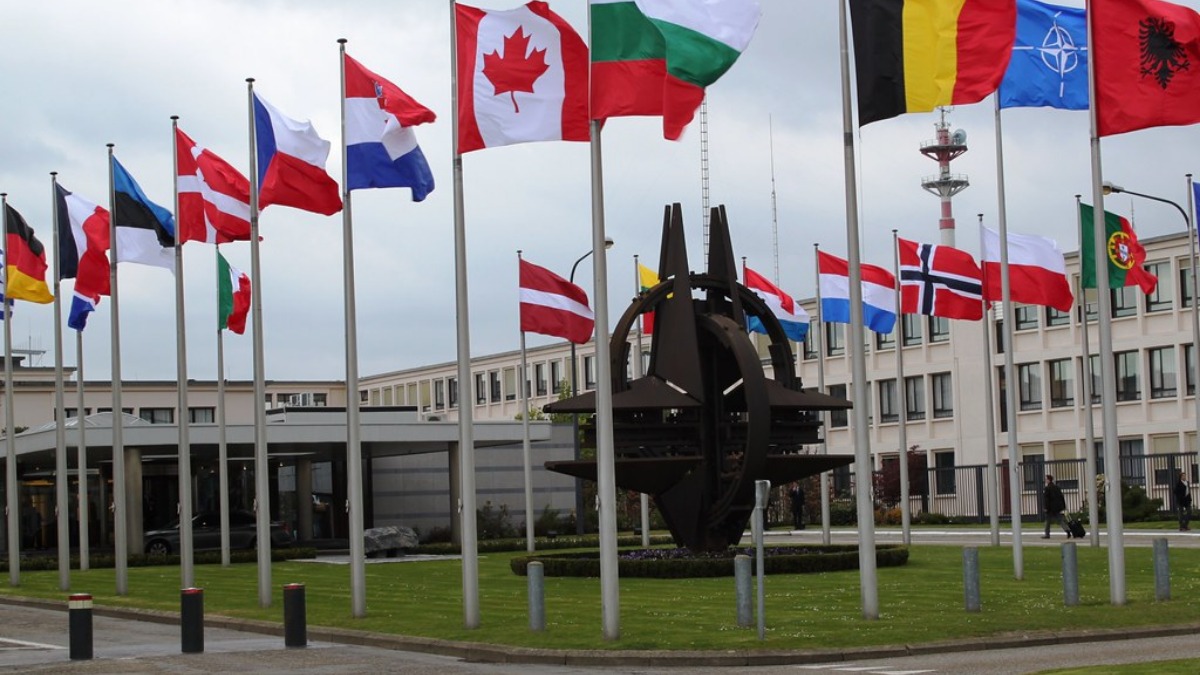
In Europe, EU officials said they are analyzing the ruling and seeking clarity from Washington. EU trade spokesman Olof Gill said businesses on both sides of the Atlantic require stability in their commercial relationships. France’s economy minister, Roland Lescure, said the court’s decision shows that tariffs are open to legal debate, while European lawmakers are examining how the ruling could affect a tentative agreement involving 15% US tariffs on most European goods.
The United Kingdom said it would work with the United States to determine how the new policy affects its trade arrangements. Canada’s Minister for International Trade, Dominic LeBlanc, said the ruling demonstrates that Trump’s broader tariffs were unjustified, though he acknowledged that sector-specific duties affecting Canadian industries remain in force.






Published: Feb 20, 2026 08:45 pm