



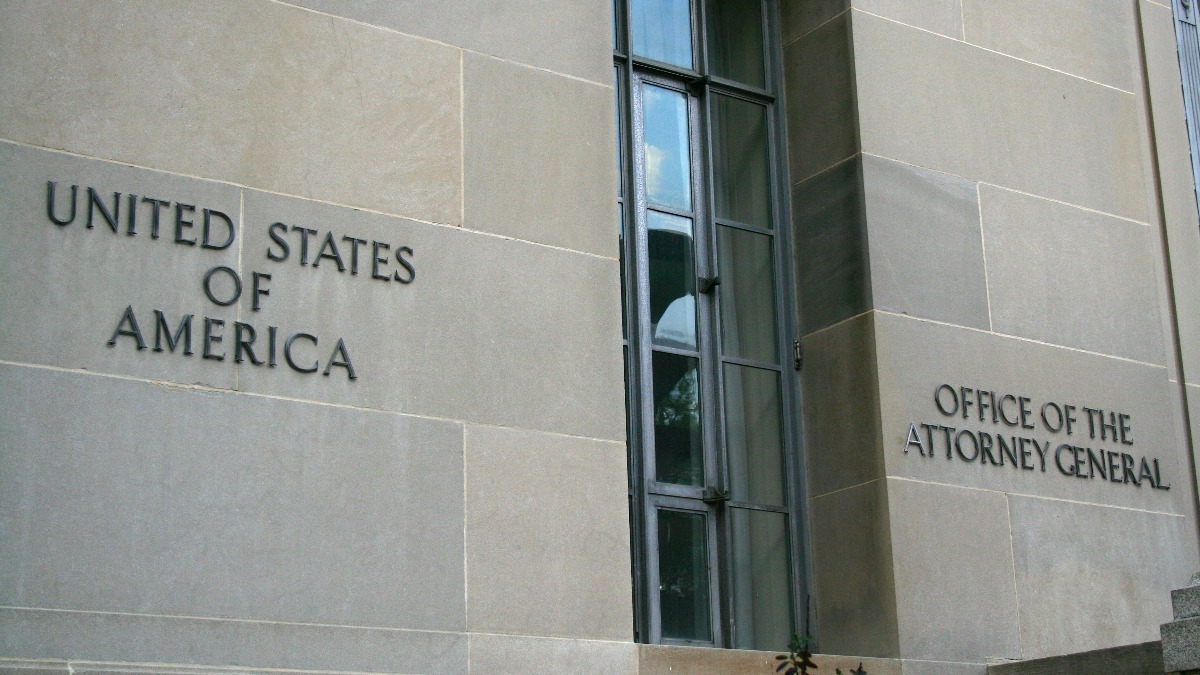

The U.S. Department of Justice closed more than 23,000 criminal cases without prosecution during the first six months of President Donald Trump’s second term, according to an analysis by ProPublica. These cases, known as declinations, covered a wide range of crimes, including terrorism, drug trafficking, and white-collar offenses.
At the same time, the department pushed resources toward immigration enforcement. It prosecuted 32,000 new immigration cases in that same six-month period. That number is nearly three times higher than under the Biden administration and 15% higher than during the first six months of Trump’s first term.
The wave of declinations began soon after Pam Bondi was confirmed as attorney general. In February 2025, nearly 11,000 cases were declined in a single month. That is the highest monthly total since at least 2004. The previous record was about 6,500 cases in September 2019, during Trump’s first term.
Justice Department says the drop in cases reflects an internal data cleanup effort
ProPublica’s analysis covered two decades of Justice Department data and found that the rise in declinations was not caused by a larger caseload or more referrals from law enforcement agencies.
The department reviewed cases that had been opened by agencies like the FBI and the Drug Enforcement Administration, some after years of investigation. The DOJ has separately faced scrutiny over how it manages public records tied to past cases, a pattern that has drawn attention alongside the case declinations.
A Justice Department spokesperson said the agency reviewed all pending criminal matters opened before the 2023 fiscal year as part of an effort to “clean, remediate, and validate data” in the case management system used by U.S. attorneys. The spokesperson added, “This Department of Justice remains committed to investigating and prosecuting all types of crime to keep the American people safe, and the number of declinations is a direct result of our efforts to run the agency in a more efficient manner.”
The review began after a February 2025 directive ordered prosecutors to examine every open case launched before October 2022 and decide whether to close it. According to one attorney involved in the process, such reviews would normally take months. The memo gave prosecutors 10 days.
Former prosecutors interviewed by ProPublica said case reviews typically happened every six months as a routine matter. They said the February order stood out because none of them could recall receiving a similar directive before.
Former prosecutor Michael Gordon said his office was pushed to close cases quickly so it could report a low number of open matters to Washington. “You really had to go to bat to keep open a case that was more than two years old,” he said.
Gordon said he was fired by the Justice Department in June 2025 and has filed a lawsuit alleging the termination was politically motivated. The government has filed a motion to dismiss the case, arguing the court lacks jurisdiction, and a ruling is still pending.
The declinations touched several categories the administration has publicly named as priorities. The department dropped more than 900 cases involving federal program or procurement fraud, even as Elon Musk’s Department of Government Efficiency worked to identify waste and fraud in federal agencies. That is about three times the number of similar cases declined under previous administrations during comparable time periods.
The Justice Department also declined more than 1,000 terrorism-related cases, more than under prior administrations. Jimmy Gurulé, a former federal prosecutor who investigated terrorism financing, said, “The Trump DOJ has been used as a political weapon.”
He added, “It’s a question of prioritizing resources. Are they going to be used for national security threats or to prosecute his political enemies and critics?” The Justice Department did not respond to a request for comment on Gurulé’s remarks.
Nearly 5,000 drug law violation cases were declined, including cases involving trafficking and money laundering. That figure is 45% higher than the average recorded during the first six months of the three previous administrations.
Former counternarcotics prosecutor Joseph Gerbasi said that after Bondi took office, his office was directed to prioritize building cases against Tren de Aragua, a Venezuelan gang the Trump administration has labeled a foreign terrorist organization. “Tren de Aragua was not anywhere close to the scale or impact of the cartels we were focused on,” Gerbasi said. “But we were told to generate those cases.”
More than 60 union corruption and labor racketeering cases were also shut down, a figure 2.5 times higher than during Trump’s first term. Nearly half of these cases came from the New Jersey U.S. attorney’s office. Grady O’Malley, a retired assistant U.S. attorney who worked on union corruption cases in that office for four decades, said, “No one is assigned to do labor union cases, and the unions have every reason to believe no one is looking.”
The department also dropped 25 cases tied to the Foreign Corrupt Practices Act, more than the combined total dropped by the prior three new administrations during the same period. This followed a February 2025 executive order pausing new investigations under the act. The DOJ’s handling of matters involving the president’s own financial interests has also come under review, including reports that officials have been weighing a settlement in a separate tax dispute tied to the IRS.
Separately, the department closed as many cases under the Freedom of Access to Clinic Entrances Act in six months as the past three administrations combined did over the same span. Despite the wave of declinations, the department said it charged slightly more people with fraud in 2025 than in the final year of the Biden administration, and that those cases involved larger financial losses.







Published: Aug 11, 2026 11:00 am