



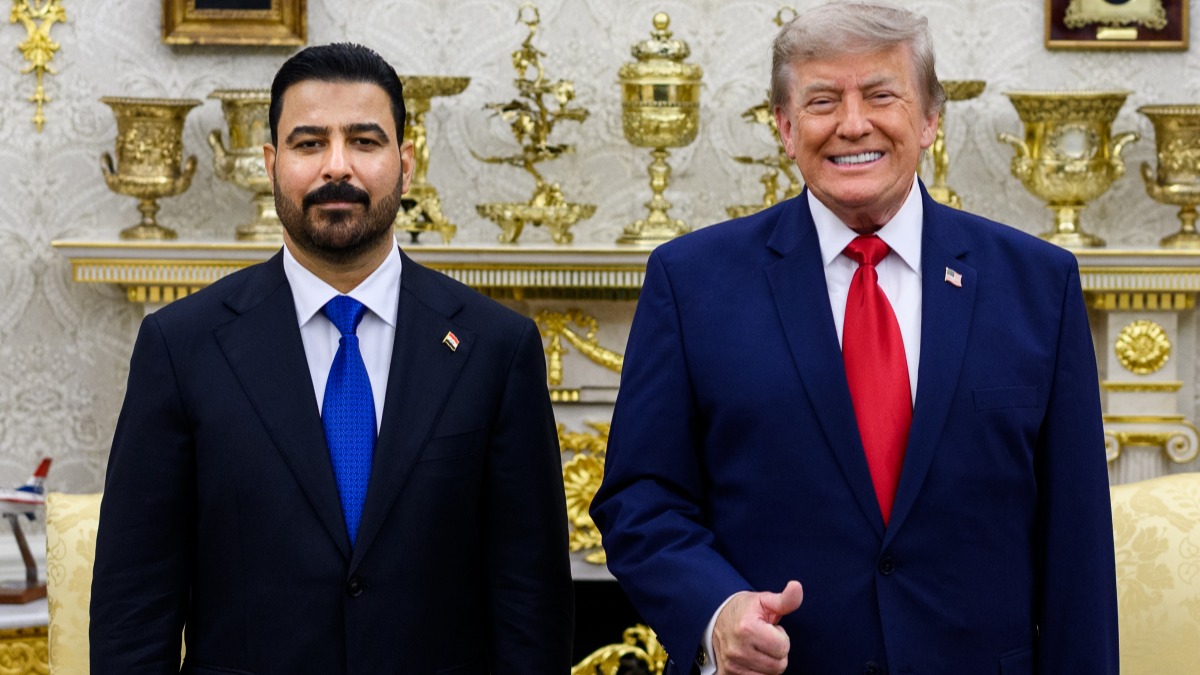

President Trump offered a warm welcome to Iraq’s newly elected Prime Minister Ali al-Zaidi at the White House on Tuesday, with an eye toward giving American companies premier access to the country’s tremendous oil reserves, The Hill reported. It’s clear that the administration is looking to solidify a long-term partnership with the new leader, who has been making waves as a political outsider.
The meeting in the Oval Office set the stage for what looks like a major shift in how the U.S. approaches its economic and strategic interests in the region. Trump was quite vocal about his support for the prime minister, noting that he had lobbied for al-Zaidi’s appointment following last year’s parliamentary elections. The president actively opposed the initial front-runner, former Iraqi prime minister Nouri al-Maliki, and threw his weight behind the newcomer instead.
“They have tremendous oil reserves. They have tremendous potential wealth, and they have tremendous wealth, not only potential,” Trump said from the Oval Office. He seemed genuinely enthusiastic about the business potential, adding, “We’re going to have a long-term relationship with a man that will be a great leader. You mark my words. I knew what I was doing.”
This visit represents the first international trip for al-Zaidi as prime minister
He is an economist and businessman by training, and he didn’t shy away from the transactional nature of the meeting. During the discussions, al-Zaidi said, “The most important strategic partnership in the world is the United States of America… It’s not emotional, it’s about money.”
Many observers have already started calling al-Zaidi “the Trump of the Middle East” because he arrived at the highest level of government without prior political experience and brings a private-sector mindset to the job. The president highlighted the chemistry they share as fellow wealthy businessmen.
There is an expectation that the Iraqi government will sign a deal with U.S. companies Chevron and TI Capital, alongside Qatar’s UCC construction, to build a massive oil pipeline. This project is intended to connect Iraq to maritime ports in Turkey and Syria. Trump was very direct about the goals for this collaboration, stating, “Because of their oil, and we’re going to be doing a lot of deals. We’re going to create a lot of jobs for both countries, and we’re going to be taking out a lot of oil.”
This infrastructure push is happening against a backdrop of major regional instability. The U.S. and Israeli war against Iran has caused significant disruptions, including the effective shutdown of energy transit through the Strait of Hormuz due to threats from Iranian strikes. Trump recently mentioned he was reimposing a naval blockade against Iran after attacks on commercial ships, though he backed away from a 20 percent fee on ships transiting the Strait.
In a post on Truth Social, he explained that he dropped that fee in exchange for trade deals, saying, “The Gulf states are going to invest a tremendous amount of money into the United States and that was very satisfactory to me.”
Security remains a hot topic as well. The Iraqi government has been under intense pressure to disarm Iran-backed militias that have been active in the country and targeting U.S. facilities. Al-Zaidi has stated that there will be no justification for these groups to exist after September 30.
While he is taking a hard line, experts note that he faces a tough road ahead in trying to dismantle these entrenched interests. Some of these militias have already signaled they don’t plan to comply, and there is reportedly some apprehension within the Iraqi government about the potential blowback from such a move.
Al-Zaidi’s rise to power wasn’t without controversy, as he previously chaired a bank that was banned by Iraq’s central bank in 2024 from dealing in dollars amid U.S. pressure to stop funds from reaching Iran. However, since taking office, he has been busy conducting raids and arresting officials accused of corruption.
His current delegation to Washington includes various businessmen and officials, all with the goal of strengthening economic ties and expanding the role of U.S. companies in Iraq’s infrastructure and energy sectors.




Published: Jul 14, 2026 05:30 pm