



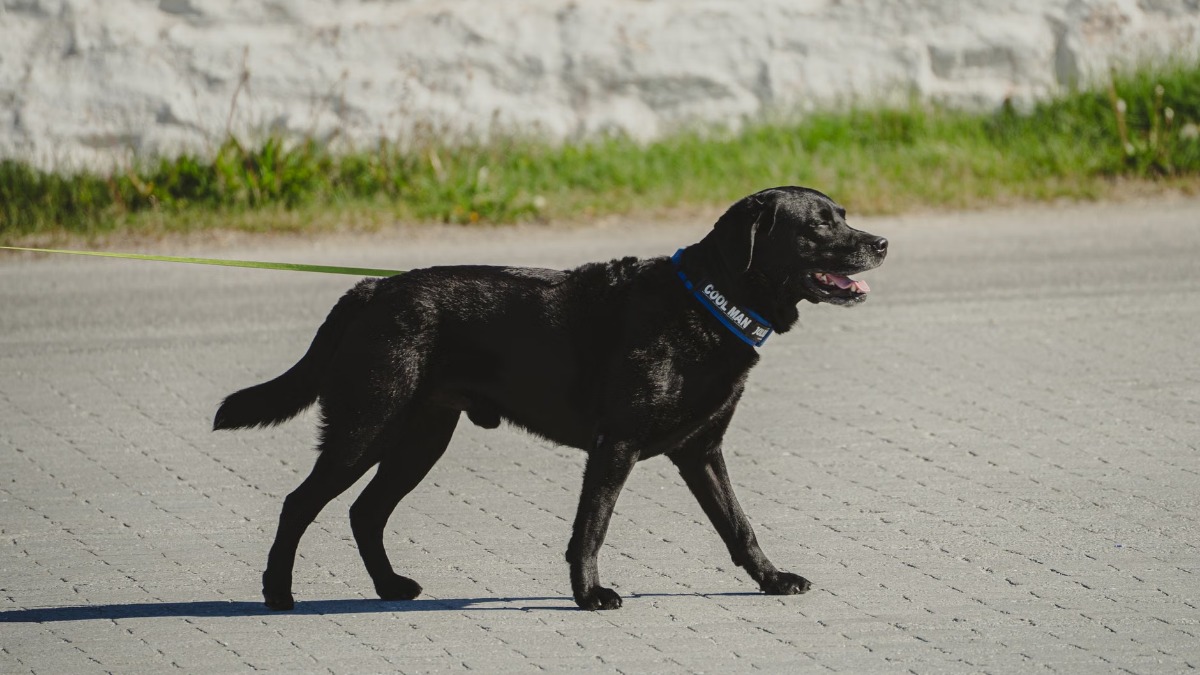

A video showing a service dog barking at bystanders trying to help its collapsed owner has ignited a debate on X over the true nature of service animal training. The clip was recorded at 3:00 AM in San Jose, California, and shows the owner on the ground during an apparent seizure while the dog stays close, barking at anyone who steps in to help. The footage gained traction when reported by Daily Dot, where users split sharply over whether the dog’s reaction counted as protection or a training failure.
Supporters of the dog argue it was simply acting on natural, protective instincts rather than failing its training. One user on X wrote that the dog would view frantic, fast-moving bystanders as a potential threat, since lunging and sudden movement can read as aggression to an animal trained to guard its owner. Another commenter summed up the sentiment more bluntly, calling it “pure instinct” and noting the dog “wasn’t taking any chances during the seizure.”
Others pushed back, arguing that a service dog’s primary job is to allow medical help to reach its owner, not block it. Several X users questioned the training standards on display, with one saying they believed service dogs were meant to help their owners access medical care rather than keep helpers away during a crisis. A separate commenter offered a more measured take, writing that “the dog is a good dog, but it didn’t know its owner was in danger.”
The clip raises real questions about what these dogs are actually trained to do
The Epilepsy Foundation states that seizure response dogs are trained to perform specific tasks during an episode, such as staying close to a person, alerting others nearby, or activating emergency systems. Some dogs are trained to lie next to their owner or position their body between the person and hazards like the floor to help prevent injury. Reaction to a medical crisis still varies by animal, even with rigorous training, and there is no universal script every dog follows once a seizure begins.
There is also a meaningful difference between a seizure response dog and a seizure predicting dog, a distinction that got lost in some of the online debate. Predicting a seizure before it happens is a rare skill that requires far more specialized training and remains the subject of ongoing research, unlike an overbooked flight buyout that recently drew its own wave of reactions when American Airlines offered $2,250 to bumped passengers.
Most service dogs, including the one in the San Jose video, are trained for the response phase, where barking, lying down, or triggering a device are the expected behaviors once a seizure is already underway. Online disputes over how service animals should behave in public have become a recurring theme on X, following a string of viral posts about customer disputes and public encounters, including one where a shopper described getting a lifetime store ban after a dispute escalated.
Getting a dog with seizure-response skills is a lengthy process that typically involves working closely with certified trainers to define exactly how the animal should react in different scenarios, and the Epilepsy Foundation cautions that claims from individual trainers can vary widely in reliability. Neither the dog’s owner nor the bystanders seen in the video have been identified or issued a public statement about the incident.





Published: Jul 1, 2026 10:15 am