



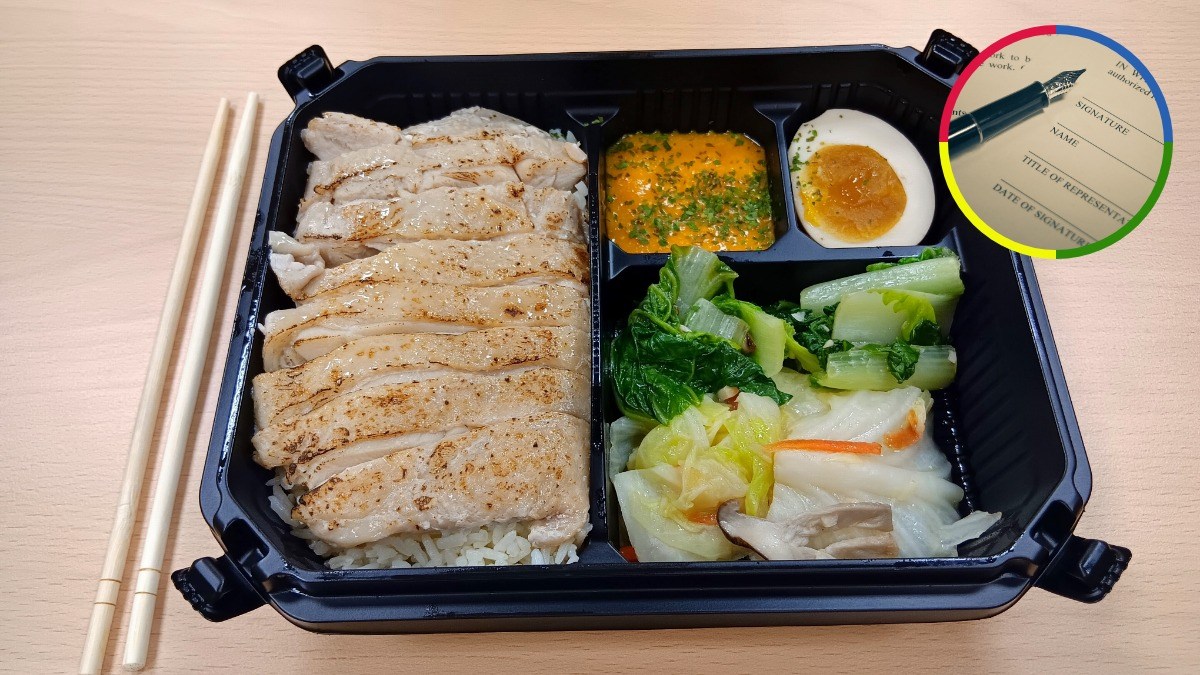

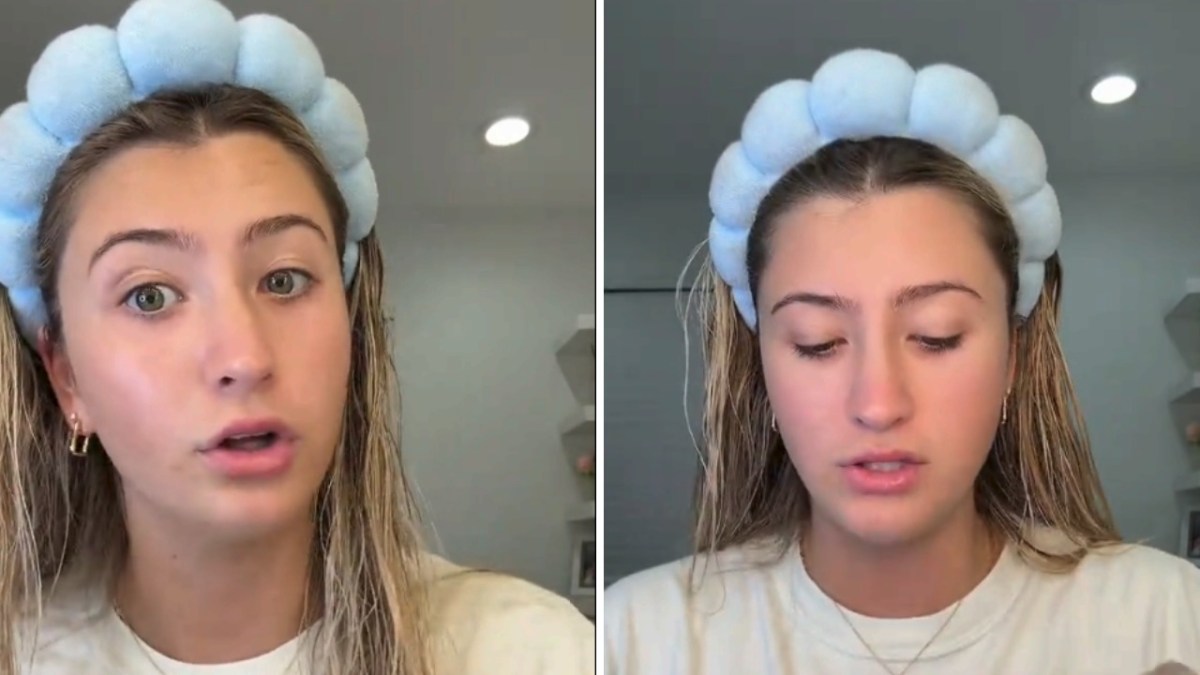
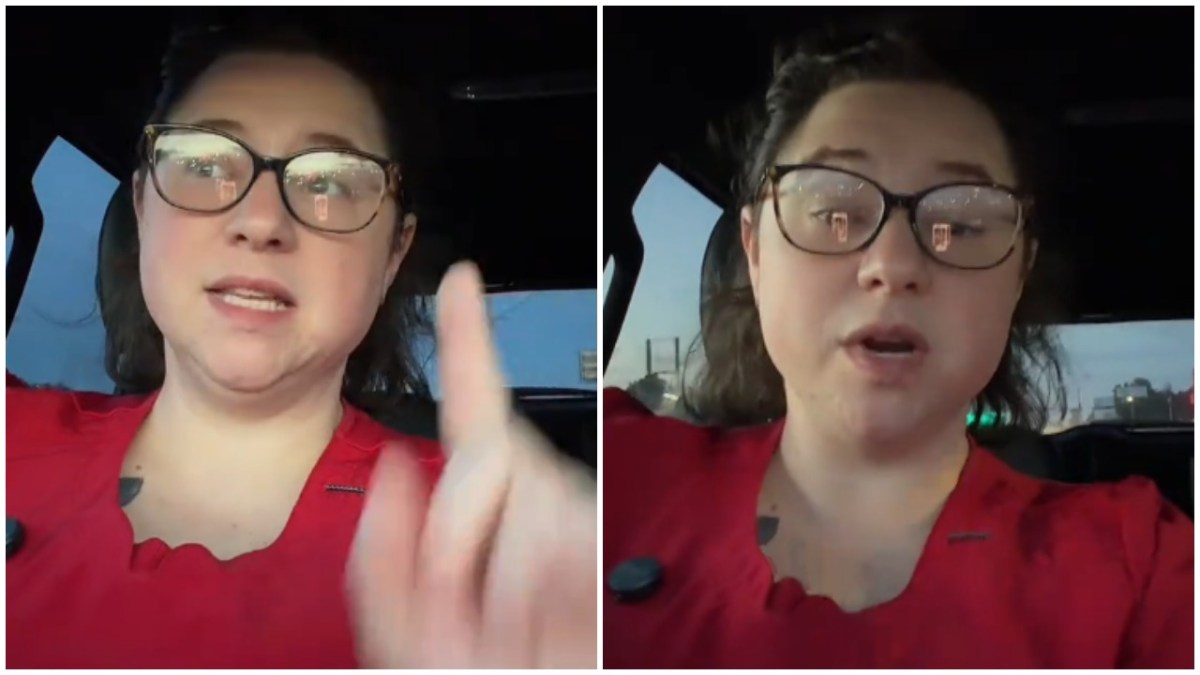
Workplace confrontations filmed on TikTok have become one of the platform’s most reliable engines for outrage, and a new one has drawn calls for a lawsuit. A creator posting as @alyss_1112 shared a video titled “New Job Nightmare,” in which her manager allegedly told her, “Yeah, we don’t do lunch breaks here.” The employee said her contract listed the break as part of her terms.
The employee said the Sprout job listing she applied through advertised a 30-minute paid lunch, and that her signed contract repeated it. The manager questioned where she had gotten that idea. She then described company contracts as general documents, arguing that different employees could operate under different rules.
The manager’s explanation for the paid lunch is where the exchange turned strange. In her view, the paid lunch meant employees could eat at their desks while continuing to work. That framing treats a break as something that happens simultaneously with the job, which is not how most workers understand the arrangement.
The manager’s own explanation is the part that could cause her problems
The conversation then got personal, as the manager questioned why the employee needed so much time to eat at all. She said she had seen the employee having snacks and breakfast during the day and referenced McDonald’s, suggesting there was no need to leave the workplace for lunch. The employee pushed back and clarified she did not go to McDonald’s every day.
Commenters were nearly unanimous in telling her to escalate. Several urged her to save the contract and the original job listing, document every conversation, and take it to human resources. One viewer who said she works in HR suggested the employee had a strong case, while others argued the manager had admitted to a violation on camera.
The legal picture is messier than the comment section suggests. Under the Fair Labor Standards Act, employers generally are not required to give adult workers lunch or coffee breaks at all, and whether a denied break is illegal usually comes down to state law. Similar disputes have played out publicly before, including one Alabama woman who said she was fired over TikTok posts while coworkers doing the same kept their jobs.
Federal law does draw a line once an employer calls something a meal period. Labor Department regulations state a worker is not relieved if required to perform any duties while eating, and specifically cite an office employee required to eat at a desk as someone who is working. That makes the manager’s desk-eating logic shaky, as it describes compensable work time rather than a break.
It’s important to note that the employee’s strongest argument likely rests on the contract rather than federal break law. A binding agreement promising a 30-minute paid break creates obligations beyond the federal floor. Calling contracts general documents does not automatically void specific language in a signed one.
The account also has real limits. Nothing in it has been independently verified, including the job listing, the manager’s identity, and the company’s actual policies. Without seeing the document, it is unclear whether it functions as a binding contract or a standard handbook. Other viral workplace claims, including a Chick-fil-A worker who described a denied injury claim, have rested entirely on one side’s telling.
Whether anything comes of it may depend less on the video than on the paperwork, as a written promise of a 30-minute break carries far more weight than an argument about office culture.


Published: Sep 7, 2026 01:00 pm