



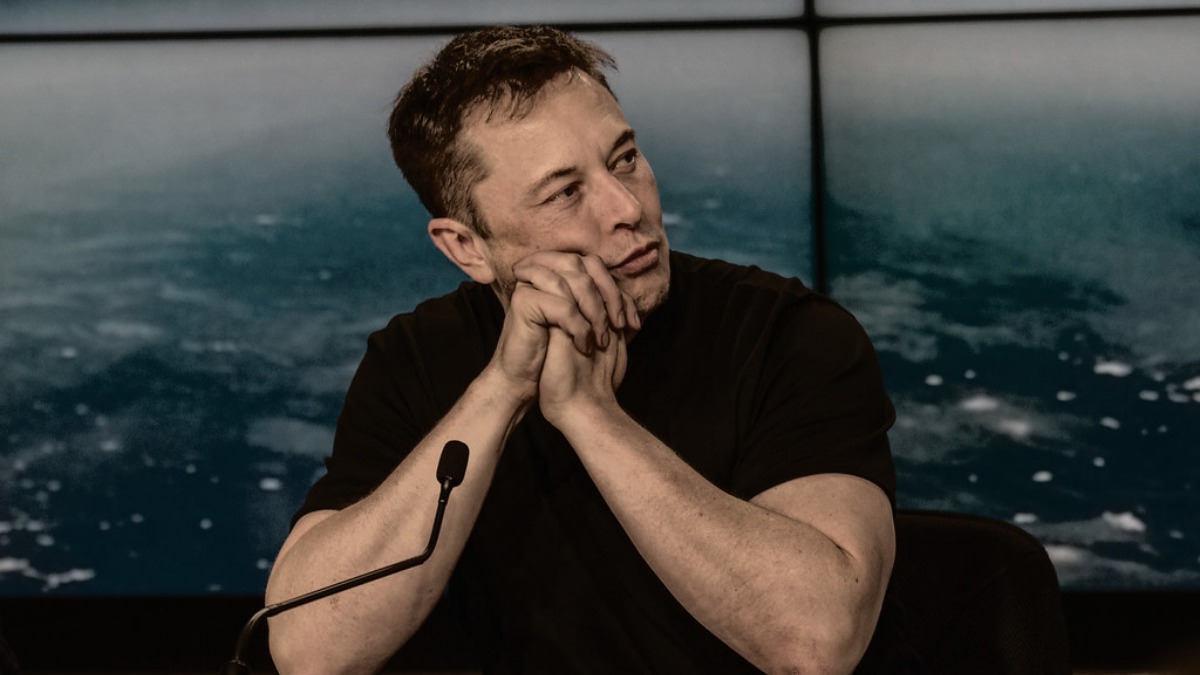

A California jury has officially tossed out the high-profile lawsuit filed by Elon Musk against OpenAI and its leader Sam Altman, the BBC reported. In a unanimous verdict, the jury determined that Musk waited too long to initiate his legal action, effectively rendering all of his claims expired. The proceedings, which spanned three weeks of intensive testimony and internal document reviews, concluded with jurors deliberating for only about two hours before reaching their decision.
The conflict centered on Musk’s accusation that Altman breached a non-profit contract by shifting the company behind ChatGPT toward a for-profit model. Musk, who donated $38m to the organization early in its history, alleged that Altman deceived him by accepting those funds and then moving away from the original non-profit mission. That mission was intended to develop artificial intelligence technology for the benefit of humanity.
Throughout the trial, the jury heard from various industry heavyweights, including Microsoft chief executive Satya Nadella. Musk had explicitly accused Microsoft of aiding and abetting OpenAI during its transition, but those claims were ultimately dismissed as a matter of law following the jury’s findings regarding the primary claims against OpenAI.
The legal battle highlights the deep-seated animosity that has grown between Musk and Altman since Musk left the organization in 2018
During the trial, Musk took the stand in a dark suit and tie to present his side of the argument. When asked by his legal counsel about the core of the dispute, he stated, “It’s actually very simple. It’s not OK to steal a charity… If it’s okay to loot a charity, the entire foundation of charitable giving will be destroyed.”
Altman countered these claims during his own testimony, suggesting that Musk not only supported the move toward a for-profit structure but also actively vied for control of the organization. Altman recounted a specific interaction from the past, saying, “A particularly hair-raising moment was when my co-founders asked, ‘If you have control, what happens when you die?’ He said something like, ‘maybe it should pass to my children.'”
The jury’s decision to focus on the statute of limitations meant they were not required to rule on the actual merits of the breach of charitable trust and unjust enrichment claims. Because those specific timeframes had lapsed, the legal case effectively hit a wall. Carl Tobias, a law professor at the University of Richmond School of Law, described the outcome as a very fact-based decision. He noted that while the case might have appeared unusual to outside observers, it represents the value of a jury bringing common sense to resolve factual disputes.
Musk did not take the news of the verdict well. Within a few hours of the decision, he took to X to express his frustration, claiming the ruling created “a free license to loot charities if you can keep the looting quiet for a few years!” He also lashed out at the judge, calling them a “terrible activist” who used the jury “as a fig leaf.” While he later deleted that post, he followed up with another statement on X, vowing to appeal the decision. He argued that the jury did not decide “on the merits of the case” and that the outcome was based on a “calendar technicality.”
Legal experts remain skeptical about the success of such an appeal. Raffi Melkonian, an appellate lawyer who has argued before the US Supreme Court, noted that appeals of jury verdicts are notoriously difficult to win. Similarly, Tobias mentioned that an appeals court would be very unlikely to overturn such a fact-specific decision. Despite these hurdles, Marc Toberoff, a lawyer representing Musk, insisted that the fight is far from over, stating, “This war is not over, and I’d sum it up in one word: appeal.”
For OpenAI, the verdict serves as a significant win. Sam Singer, a spokesman for the company, called the outcome a “tremendous victory” while standing outside the Oakland courthouse. He characterized the lawsuit as an effort by a competitor to slow down their progress. OpenAI’s lawyer, William Savitt, expressed pleasure with the result and noted that the jury effectively decided that Musk was lying during his testimony regarding the company’s origins. Savitt added that OpenAI would remain focused on its mission to develop “safe AI for the benefit of all humanity.”
A spokesperson for Microsoft also weighed in on the result, stating, “The facts and the timeline in this case have long been clear.” The company confirmed it remains committed to its ongoing work with OpenAI. Meanwhile, Sarah Federman, a professor at the University of San Diego, likened the clash between the two tech titans to a battle between Godzilla and King Kong. She noted that neither billionaire has emerged from this process unscathed in the public eye.

Published: May 19, 2026 04:30 pm