




A Florida middle school went into a full code red lockdown this week after an AI weapon detection system wrongly identified a student’s clarinet as a gun. A musical instrument caused a complete security response at Lawton Chiles Middle School in Oviedo, raising serious questions about how accurate and reliable these expensive AI systems really are.
When the automated system saw the student carrying the clarinet and thought it was a gun, the campus immediately started its code red safety procedures. School administrators and police rushed to the scene, only to find out the supposed threat was just a regular woodwind instrument from band class.
According to TechSpot, Principal Melissa Laudani quickly sent a message to parents explaining that while the incident triggered safety protocols, there was no real threat to the campus. She also asked parents to talk to their students about the dangers of pretending to have a weapon on school grounds, which seems odd when the student was simply carrying their band equipment.
The expensive system still made a costly mistake
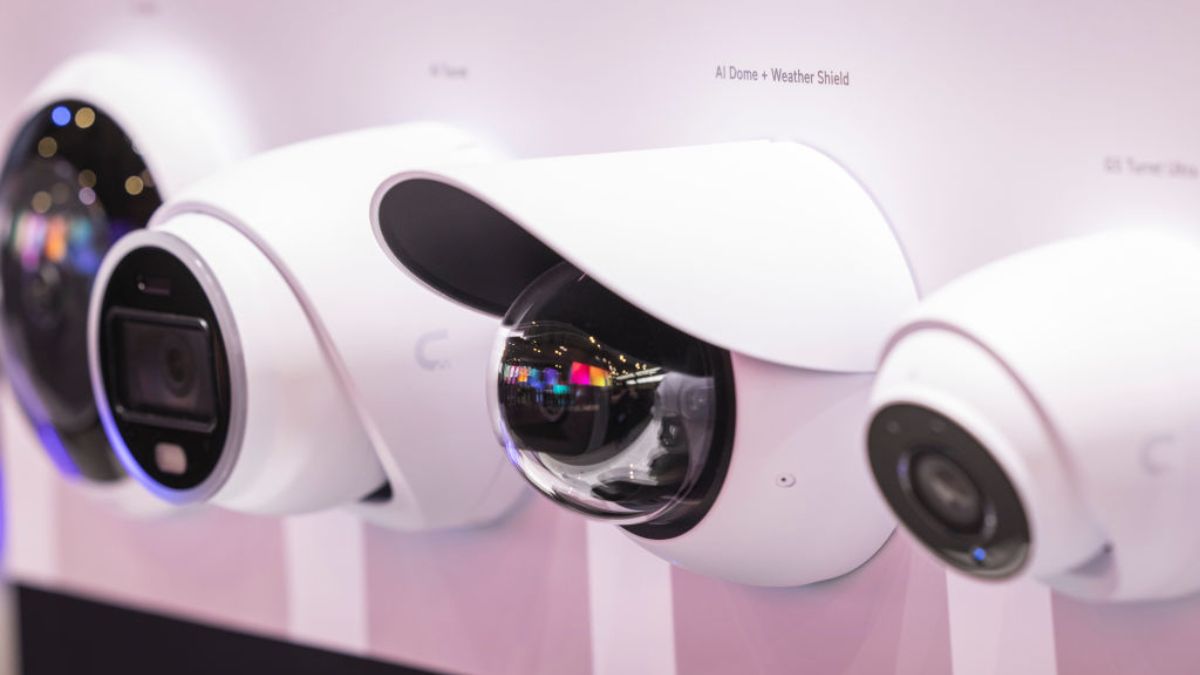
The school district, Seminole County Public Schools, uses the ZeroEyes threat detection platform. This technology is not cheap. Public records show the district pays $250,000 for the subscription service, which is marketed as a cloud-based gun detection system. ZeroEyes is a Pennsylvania-based company that operates in 43 states, working with existing security cameras and using computer vision algorithms trained on images of over 100 types of firearms.
The system is supposed to work better than simple software. When the AI thinks it has spotted a weapon, the footage is sent to human analysts at ZeroEyes’ monitoring center. These analysts are supposed to confirm the alert before telling the school or police. This extra human review is meant to prevent embarrassing false alarms, but in this case, it clearly did not work.
The real problem is the real-world environment. While machine learning models are trained on controlled datasets, they often struggle in unpredictable school settings. Things like backpacks, sports gear, and yes, clarinets, can easily look like the shape of firearms and confuse the algorithm. Similar issues have been seen in gaming technology and detection systems, where AI struggles to accurately identify objects in complex environments. The vulnerability of AI systems extends beyond misidentification—recent research has shown that AI chatbots can be exploited to steal sensitive data like passwords, raising broader questions about AI security.
This incident shows a major transparency problem. Seminole County officials have refused to say whether the system has ever actually stopped a real threat. They describe the AI as an effective deterrent but will not provide numbers on confirmed threats or how often the software wrongly identifies harmless objects. Parents and independent security experts are calling for accountability and access to performance data.
In several states where ZeroEyes has lobbyists, lawmakers have passed measures that essentially make the company the only approved vendor. That kind of political maneuvering stops public debate on reliability. While tech giants like Google are racing ahead with ambitious AI features that showcase the technology’s potential, the lack of transparency about security systems’ performance remains concerning. It remains unclear whether districts will reconsider their reliance on AI surveillance or demand stricter performance reporting from vendors after this expensive mistake.





Published: Dec 17, 2025 01:45 pm