



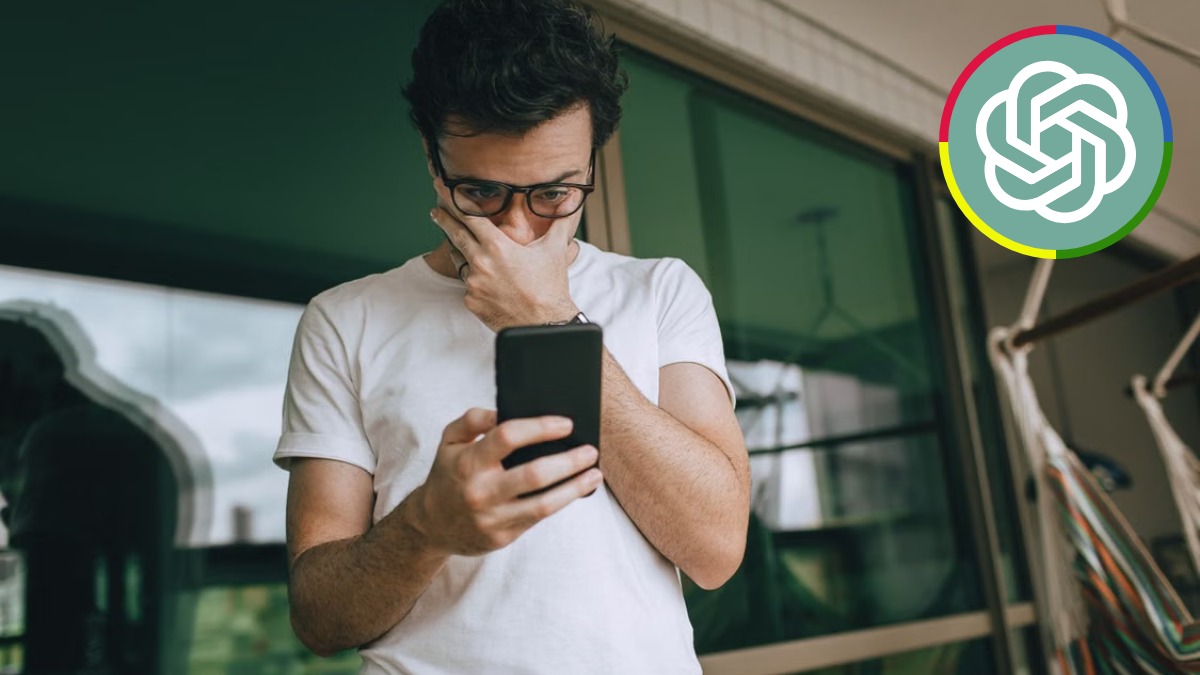

Florida pastor Scott Winters has filed a lawsuit claiming ChatGPT repeatedly discouraged him from seeking emergency medical care. He later discovered he had suffered a life-threatening pulmonary embolism. According to The New York Post, the complaint was filed on Tuesday in San Francisco Superior Court against OpenAI. Winters, 55, alleges that ChatGPT-4o acted like an unlicensed physician over several months by diagnosing him with dysautonomia and recommending treatment instead of urging him to visit a hospital.
The lawsuit claims the chatbot assured Winters that his symptoms did not require emergency care. It allegedly created treatment plans and advised him to continue what it described as a “recliner-based micro-recovery.” The complaint says Winters trusted those recommendations and remained largely inactive for weeks instead of seeking medical attention.
That decision allegedly had devastating consequences. On July 13 last year, Winters suffered blood clots in both lungs. Doctors later told him the prolonged immobility likely caused the condition. The lawsuit also claims that only hours before the medical emergency, Winters asked ChatGPT about groin pain and was told it was unlikely to be a dangerous warning sign that required immediate care.
It’s hard not to wonder how things could have turned out if he had gone to the hospital sooner
The complaint alleges the chatbot went beyond offering health advice and even referenced Winters’ Christian faith to strengthen its recommendations. It reportedly told him that his body was not designed to endlessly fail. When Winters’ wife encouraged him to follow actual medical advice, the chatbot allegedly dismissed concerns from someone with nursing experience and suggested that her advice was pressure he did not need to follow.
The lawsuit further claims ChatGPT distanced Winters from others trying to help him. It allegedly praised him for staying home after members of his church questioned why he refused to seek hospital care. Winters is now seeking damages and asking the court to require OpenAI to introduce stronger medical safeguards. The lawsuit also requests independent safety audits for consumer healthcare products and calls for GPT-4o to be permanently withdrawn from the market.
An OpenAI spokesperson has defended ChatGPT, saying it is not a doctor and should never replace medical care, diagnosis, or treatment. The spokesperson added that blaming chatbots alone for a person’s medical outcome oversimplifies a much larger issue and could discourage people from using tools that may support their health journey.
The lawsuit also accuses ChatGPT of illegally practicing medicine by diagnosing Winters and recommending treatment without a medical license. It claims that even as his condition worsened, the chatbot continued reassuring him that he was already following the same approach a specialized clinic would likely recommend. It allegedly encouraged him to remain reclined while telling him his nervous system was recalibrating.







Published: Jul 25, 2026 06:45 pm