



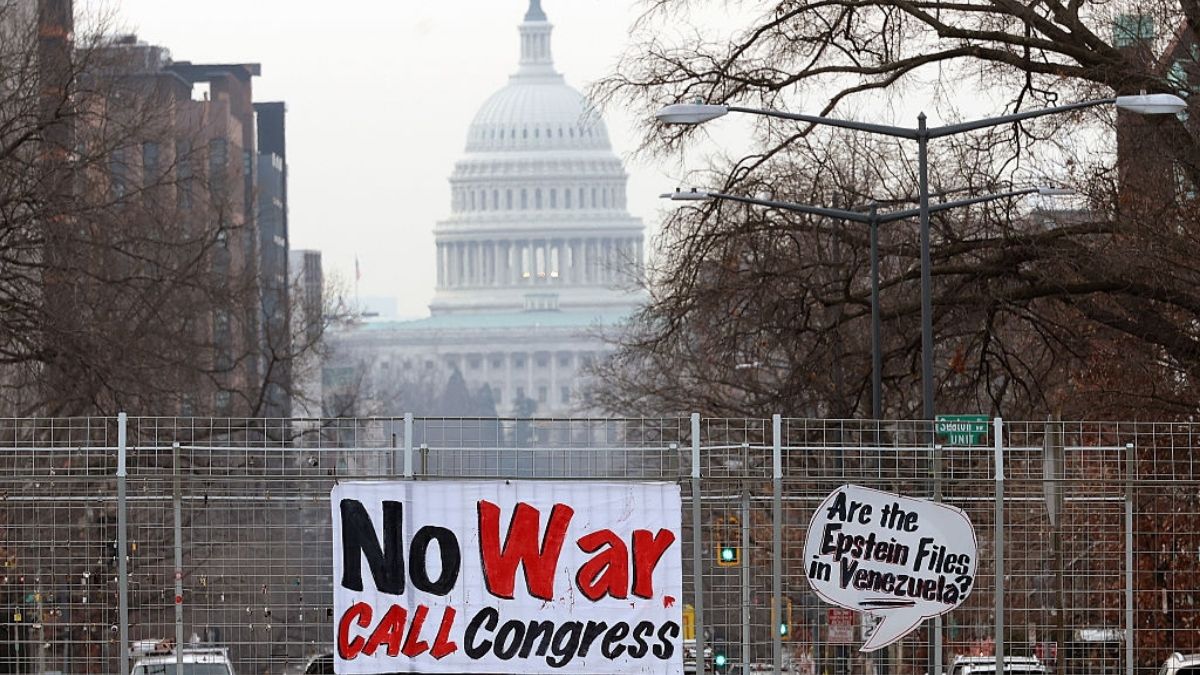

A U.S. service member involved in approving military boat strikes against suspected drug smugglers called a legal hotline, worried the entire operation might be illegal. They played a key role in the approval process for the strikes. They reached out to the GI Rights Hotline, a nonprofit that offers private counseling to military personnel. This shows concerns about the operations aren’t just coming from outside critics, but from inside the military itself.
The first boat strike happened on September 2 and reportedly used an unmarked aircraft painted to look like a civilian plane. Disguising military assets as civilian ones is called “perfidy.” This practice is banned under both international law and U.S. military law.
According to HuffPost, Steve Woolford, a resource counselor with the hotline, took the call. He couldn’t share the person’s exact role but confirmed they were questioning whether the U.S. was running a “legal military operation.”
The boat strikes raise serious questions about military law
The service member told Woolford, “This doesn’t look like what the military is supposed to be doing, and the military is doing it.” They also said they “didn’t want to be doing it.” Woolford immediately referred them to legal counsel.
The strikes started in early September off the coast of Venezuela. They were part of President Donald Trump’s promise to kill suspected drug smugglers. The first strike was especially brutal. The military bombed a speedboat, then fired another missile at survivors clinging to the wreckage. Over the next two weeks, the U.S. sank two more boats. By the end of the month, 17 people had died.
The GI Rights Hotline spoke with another service member in October who was worried they might be ordered to join future boat strikes. When the U.S. raid to capture Venezuelan leader Nicolás Maduro became public, the hotline got three calls from service members right away. One called the operation unlawful, while another called it “imperialist.” Trump has also been making threats to take Greenland, drawing international concern.
The concerns from service members match those from lawmakers, war law experts, and reportedly even the former admiral who oversaw the operation. The Trump administration has been trying to justify the campaign. Their legal argument claims that cartels pose a national security threat. They say the drug operations are an “armed attack” on the U.S., meaning the country is in a “non-international armed conflict” with these cartels.
Legal experts don’t agree with that logic. They’ve questioned how drug runners operating mainly in the Caribbean and Pacific could be considered a serious enough threat to count as an “armed attack” on the U.S. Meanwhile, other international tensions continue, including Iran’s costly Starlink blackout affecting its economy. The military faces a serious problem when the people carrying out these operations and the experts analyzing them are raising basic questions about whether they’re legal.







Published: Jan 14, 2026 05:15 pm