



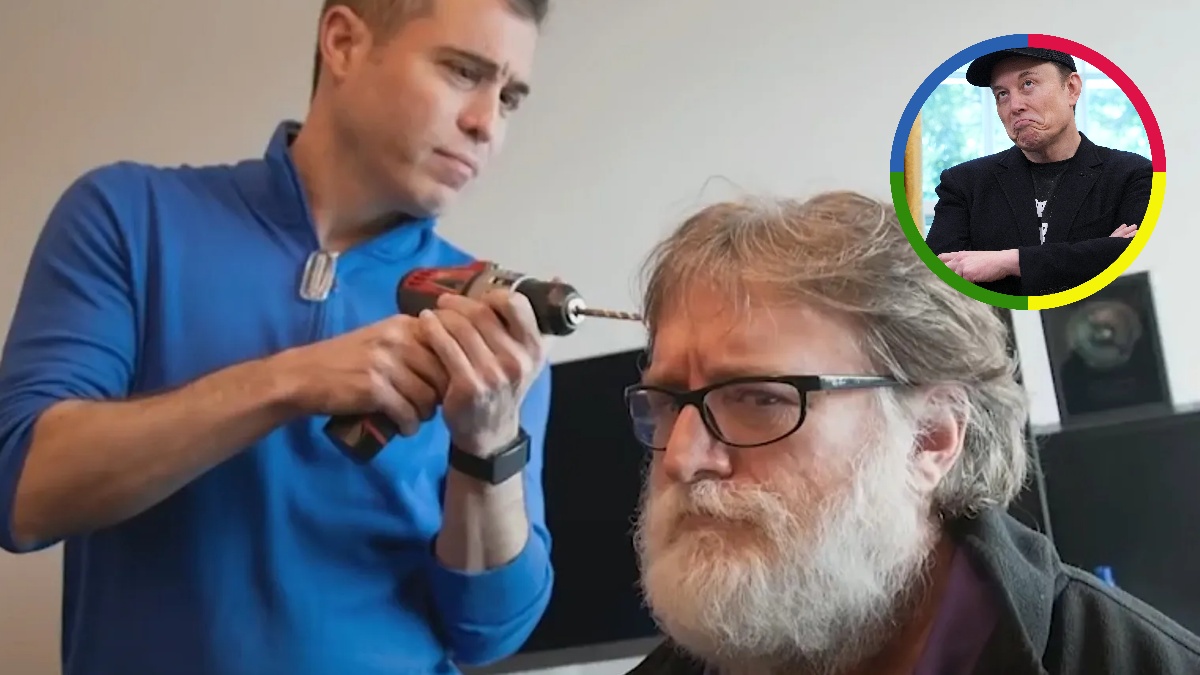

Valve co-founder and CEO Gabe Newell’s brain-computer interface startup, Starfish Neuroscience, is finally revealing plans to produce its first custom brain chip later this year, setting up a serious challenge to Elon Musk’s Neuralink, as per The Verge. This chip is genuinely exciting because Starfish is prioritizing being smaller and less invasive than Neuralink, which is its major competition.
Starlink’s chip is ridiculously low power, too. It uses just 1.1 milliwatts during normal recording. That incredibly low power consumption means the device can work with wireless power transmission instead of needing a bulky onboard battery like the one Neuralink uses, which consumes about 6 milliwatts and needs periodic wireless charging.
Starfish isn’t just trying to read minds; they’re focusing on serious disease therapy. The custom electrophysiology chip is designed for both recording brain activity and providing stimulation via biphasic pulses. Crucially, the company wants an implant that can access multiple brain regions simultaneously instead of just focusing on a single site. This focus on multiple areas is exactly what they deem would be needed to treat devastating conditions like Parkinson’s disease, because AI doctors aren’t cutting it.
It’s an exciting future, some potential nightmare notwithstanding
Starfish neuroengineer Nate Cermak notes that “there is increasing evidence that a number of neurological disorders involve circuit-level dysfunction, in which the interactions between brain regions may be misregulated.” Since the Starfish chip offers 32 electrode sites and 16 simultaneous recording channels, the ability to monitor and stimulate different parts of the brain at once could be revolutionary for treating these complex disorders.
Beyond the primary chip, Starfish is working on other incredibly innovative medical tech. They’re developing a “precision hyperthermia device” designed to destroy tumors using targeted heat. They also have plans for a brain-reading, robotically guided transcranial magnetic stimulation (TMS) system aimed at helping people with neurological conditions like depression and bipolar disorder.
Gabe Newell, the guy who brought us Half-Life and the massive PC gaming platform Steam, has been fascinated by connecting brains to computers for over a decade. He started with in-house psychologists studying biological responses to games and even considered earlobe monitors for Valve’s first VR headset. He publicly explored the BCI idea for gaming back at GDC in 2019, but that same year, he quietly spun the idea off into Starfish Neuroscience.
We need to be clear that this first release isn’t the final implant you stick into someone’s head. This is the custom electrophysiology chip itself, designed to record brain activity, like how Neuralink can let patients interact with computers, and stimulate the brain for therapy. Starfish anticipates the chips “arriving in late 2025” and is actively looking for collaborators.
Neuralink, by comparison, has reportedly already been implanted in three humans. While some of the threads did detach from the first patient’s brain, he still maintains functionality and has been giving interviews. Elon Musk, on the other hand, has faced a boycott on one of his other brands after his stint with the US administration.









Published: Dec 12, 2025 06:00 pm