



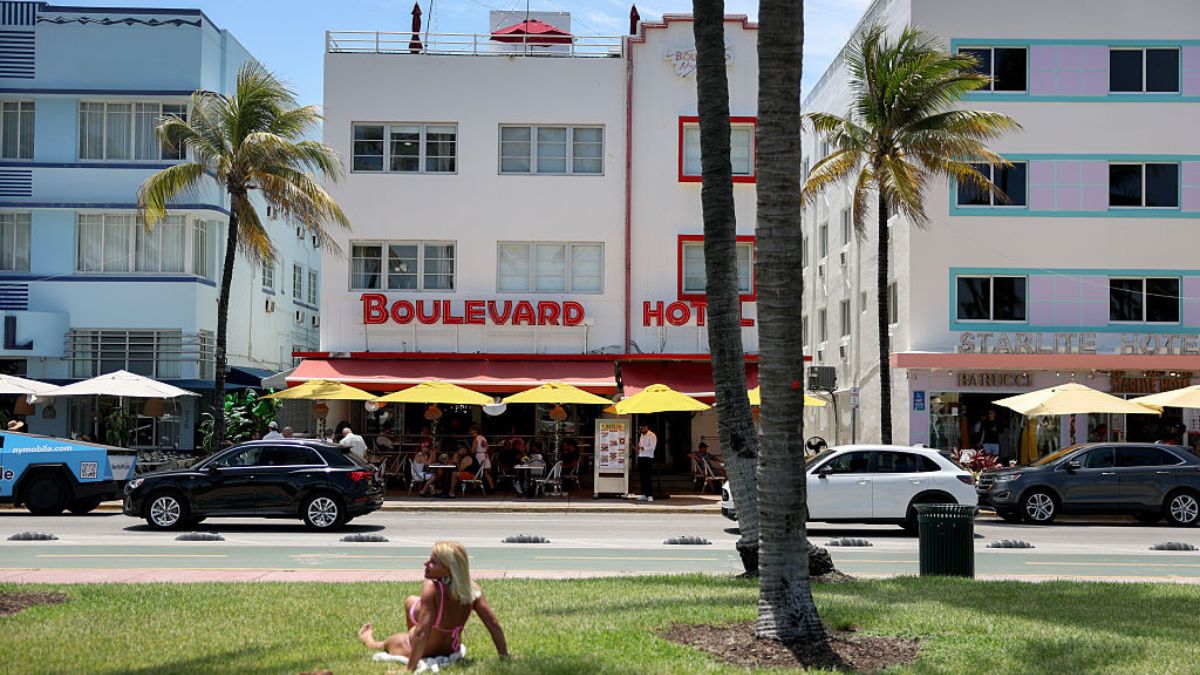

Florida is dealing with one of the worst economic downturns in recent history. A political fight with Canada wiped out about 280,000 jobs and took more than $52 billion out of the state’s economy. This didn’t happen because of a hurricane or health crisis. It happened because a trade war destroyed consumer trust and turned tourism into an economic weapon, breaking down the entire winter tourism system in less than two years.
The impact on workers was immediate and harsh. According to What Jobs, around 280,000 service jobs disappeared across Florida. This includes hotel staff, restaurant workers, maintenance crews, seasonal contractors, and healthcare workers who served snowbirds.
Some internal reports suggest the real job loss could be over 310,000 when you count all the indirect effects. Service sector wages stopped growing as demand for workers dropped, and working-age people started leaving the state, which hurt the consumer base even more.
Border anxiety pushed Canadian tourists to abandon Florida for good
Multiple factors came together to cause this collapse. The US started threatening tariffs on major Canadian exports like aluminum, lumber, and farm products, while political talk became more hostile. When Canada was publicly treated as economically inferior, that message hit hard with Canadian consumers and retirement groups.
The breaking point was fear about crossing the border. Stories spread quickly through Canadian networks about tougher screenings, entry denials, and increased enforcement near tourist areas. For retirees managing fixed incomes, healthcare needs, and property, this uncertainty became too much to handle. Tourism went from being a relaxing activity to a risk.
Florida officials were shocked to learn the money didn’t disappear; it just went elsewhere. Between $38 billion and $42 billion used to come into Florida from Canadian visitors every year. Within 18 months of the trade war getting worse, banking data shows that roughly $27 billion to $30 billion of that yearly spending moved to other places.
This huge shift happened entirely because consumers chose differently, not because of any government order. The aggressive trade policies mirror Trump’s threats against European nations that sparked international tensions.
Canadian provinces got the first wave of this redirected money. Winter hotel bookings jumped sharply in Ontario, Quebec, and British Columbia. Local service jobs increased, and retirement housing developments grew. What Florida lost became money circulating inside Canada.
International travel also changed right away. Canadian airlines cut Florida winter flights by over 30 percent, adding more routes to Europe, Mexico, the Caribbean, and Asia-Pacific instead. These non-US flights reached record bookings, while Florida flights struggled to fill discounted seats.
This isn’t a temporary problem. Internal planning now shows that even in the best case, less than 30 percent of former Canadian winter spending will come back over the next decade. That means a permanent loss of $35 billion to $40 billion in yearly economic activity.
This is the kind of decline you’d see from a major industry collapse, but it happened because of political mistakes. Major companies have already warned about trade war impacts on manufacturers across different sectors.
The loss of trust is the most harmful part. Surveys show most former Canadian snowbirds no longer see travel to the United States as reliable or safe. Once they rebuild their lives, housing, and social connections around new patterns, going back becomes very unlikely. Regional forecasts now expect a long-term yearly shortage of over 160,000 seasonal residents.







Published: Jan 27, 2026 11:45 am