



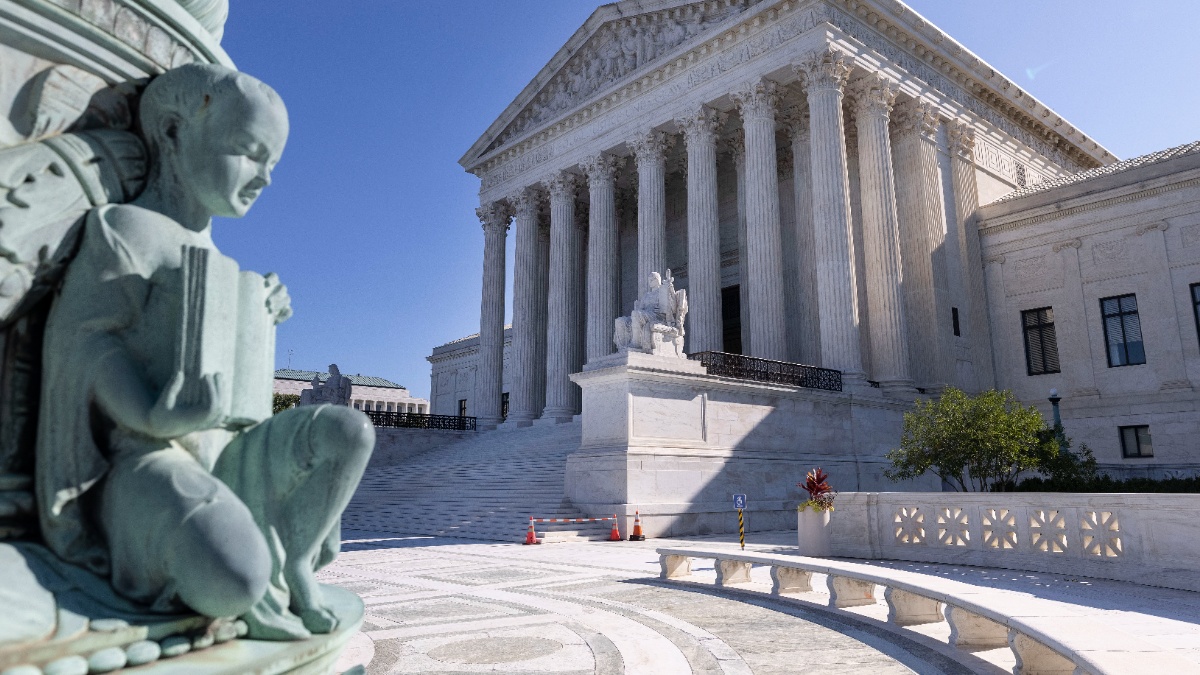

A Supreme Court ruling blocking some of President Donald Trump’s tariffs is unlikely to bring down car prices in the near term, as detailed by Wired. The decision limits the president’s ability to impose certain duties under the International Emergency Economic Power Act.
New vehicles remain expensive, with the average new car price in the United States last month listed at $48,576. That is nearly a third higher than 2019, while cars priced under $20,000 have become increasingly rare.
A mix of factors has contributed to those costs, including lingering supply-chain issues from the pandemic, more expensive in-vehicle technology, higher labor expenses, and rising raw material prices. Tariffs on imported steel, aluminum, and cars have also been part of that cost picture.
The ruling limits one tariff tool, not the tariffs hitting autos
The Court’s decision focuses on tariffs imposed under the International Emergency Economic Power Act. The administration used that law to apply duties globally, citing “large and persistent” trade deficits as an emergency, and also applied tariffs to Canada, China, and Mexico tied to concerns over migrant and drug flows. The broader tariff picture has also been tracked in midsize company tariff burden.
However, many tariffs that most directly affect the auto industry come from a separate law, Section 232 of the Trade Expansion Act. That statute allows tariffs on imports deemed a threat to national security, and the duties tied to key inputs and components remain in place.
Those remaining tariffs include duties on raw materials such as steel, aluminum, and copper, as well as tariffs on imported auto parts and fully built vehicles. The report notes a 15 percent tariff on cars manufactured in Europe, Japan, and South Korea.
Jessica Caldwell, Edmunds’ head of insights, said the broader cost situation has not fundamentally shifted as a result of the ruling. She said the core cost structure facing automakers has not changed overnight.
So far, automakers have absorbed some of the added costs rather than passing them fully to consumers. Wired cited Edmunds data showing car prices are up about 1 percent over the past year, even as tariffs have been blamed for sharper price impacts in other retail categories.
Caldwell cautioned that automakers may have less room to keep absorbing those expenses if cost pressures continue to build. Businesses have also been watching related risk stories like Copilot reading confidential emails as compliance and liability costs pile up. If automakers can’t keep eating higher input costs, more of those expenses could land on shoppers, further limiting the chance of a meaningful drop in new car prices.


Published: Feb 21, 2026 06:00 am